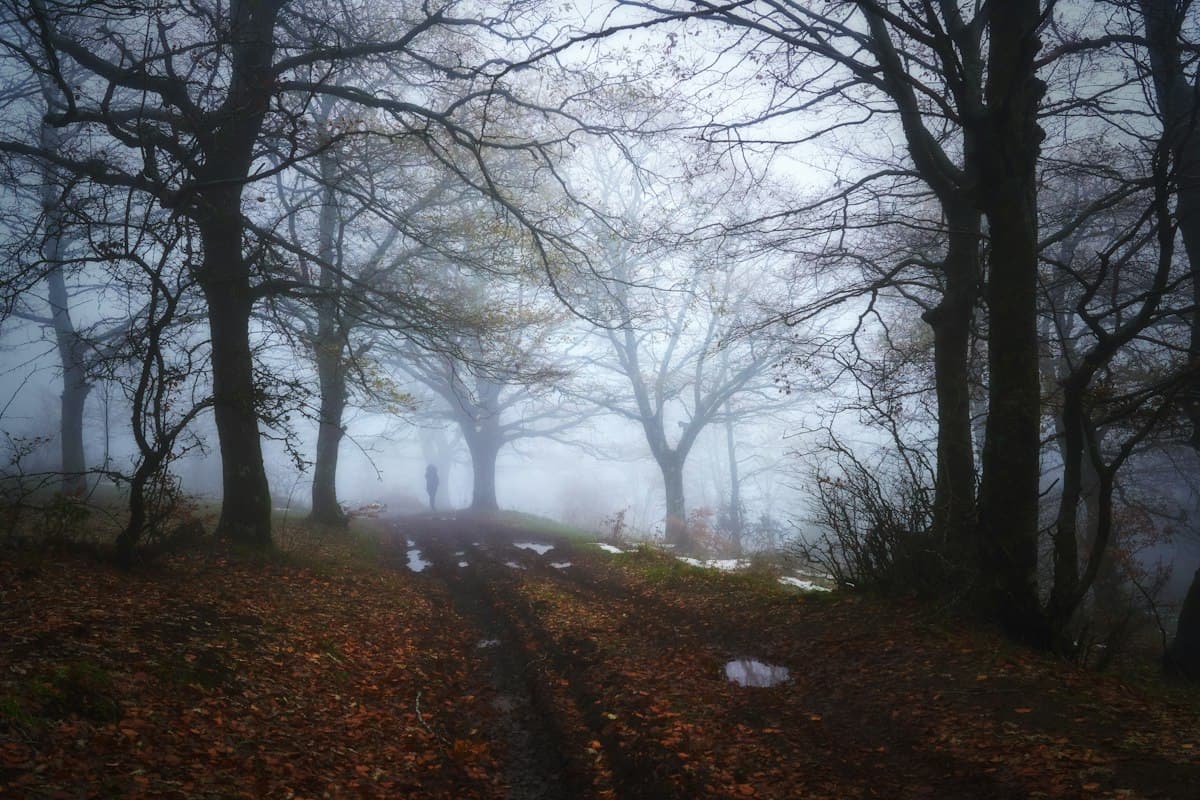
Hiking with Your Dog in Autumn: Ticks, Mud, Cold and Hunting Season
Autumn is a magnificent season for hiking with your dog: temperatures are cooler than summer, trails are less crowded, and forests explode with color. But autumn also brings three specific risks that dog-owning hikers often overlook — the tick peak, muddy trail conditions, and hunting season. This guide prepares you to handle all three with confidence.
Autumn: The Second Tick Peak
Contrary to popular belief, ticks don't disappear at the end of summer. They experience a second activity peak between September and November, just as significant as the spring peak. As long as temperatures remain above 3°C, they're active — and in Provence and the Languedoc, this can last well into December.
For dogs, the risk is even higher than for us: they move through undergrowth, tall grass and bracken — exactly where ticks lie in wait.
What to Do
Before the outing:
- Verify your dog is protected: spot-on treatment, anti-parasite collar, or tablet. Consult your vet for the best solution for their weight and lifestyle.
- In Provence and the Languedoc, the Hyalomma tick (larger, striped) carries theileriosis — a serious disease in dogs. It's more common in dry limestone garrigue.
After the outing:
- Thoroughly inspect your dog, paying special attention to: inside and around the ears, eyelids, between the toes, groin, armpits, behind the knees, base of the tail.
- Remove any tick immediately with a tick removal tool (never twist, pull perpendicularly). Disinfect the area.
- Monitor your dog's general condition for the 3 weeks following: lethargy, fever, loss of appetite, and limping are signs not to ignore.
For hikes where you yourself encounter ticks, see our guide on managing ticks and insects while hiking.
Paw Pads and Muddy Terrain
Your dog's paw pads are tough, but not invincible on difficult terrain. Autumn combines two factors that are aggressive for paws: cold mud that softens the pads and encourages cuts, and plant debris (thorns, twigs, sharp acorns, open chestnuts) that hides under fallen leaves.
Before the Outing
- Inspect your dog's paws: summer-dried and cracked pads are particularly vulnerable. Apply a protective paw balm the evening before long outings.
- For dogs unfamiliar with rough terrain, consider protective boots — especially on rocky ground covered in slippery wet leaves.
During the Outing
- Take regular breaks to inspect the paws, especially after passing through areas dense with dry vegetation.
- Mud between the toes can form balls that irritate and cause limping. Clean with water if you cross a stream.
After the Outing
- Rinse all four paws thoroughly with warm water.
- Dry well between the toes — residual moisture encourages fungal infections.
- Inspect the interdigital spaces for foxtail seeds or cuts.
A Wet Dog Gets Cold Fast When Stopped
In autumn, temperatures can drop sharply, especially at altitude or in wind. A dog that has crossed several streams or walked for a long time in wet vegetation can develop hypothermia if kept still too long — during your lunch break, for example.
Dogs most at risk:
- Short-haired breeds (beagles, pointers, greyhounds).
- Elderly or very young dogs.
- Small builds.
- Dogs not used to sustained effort.
What to Pack
- A waterproof dog coat if your dog is sensitive to cold or if the forecast shows wind and rain.
- During breaks, choose a sheltered spot. If your dog is shivering, cover them and keep moving to warm them up before continuing.
- Pack a microfiber towel in your bag — lighter than a regular towel, it dries fur quickly between water crossings.
Hunting Season: Visibility and Leash Rules
Hunting season in France generally runs from October to February, with varying days and times depending on the department and game. In forests, garrigue or scrubland in autumn, you'll inevitably encounter hunting areas.
For your dog's safety — and your own — read our complete guide on hunting and hiking. Some essential rules:
- Keep your dog on a leash in and around hunting areas. This is a legal requirement in many cases, and a matter of survival for your animal.
- Equip your dog with a fluorescent orange visibility vest. It's visible to hunters who are trying not to shoot a dog.
- Check signs at trail starts and your department's prefectural orders.
- If in doubt, turn back or change your route.
Foxtails, Acorns and Toxic Mushrooms
Autumn is the season of plant traps.
Foxtail seeds (pointed grass seeds shaped like arrows) are active from July to November. They lodge in ears, nostrils, between the toes and can travel deep into tissue. A dog that repeatedly shakes its head, limps, or rubs its muzzle after crossing dry grassland deserves immediate inspection. If you can't find the seed, see a vet promptly.
Acorns in large quantities can be toxic to dogs — the tannins they contain cause digestive and even kidney problems with massive ingestion. Don't let your dog munch on them.
Mushrooms: some are fatal to dogs (Amanita phalloides in particular). Train your dog not to pick up what they find — a solid "leave it" command from puppyhood prevents a lot of problems.
Back Home: The Systematic Inspection
Coming home from a hike is the most important moment for your dog in autumn. Don't put off the inspection until the next day.
Post-Autumn-Hike Checklist
- Ticks: full inspection (see dedicated section above).
- Paws: rinse, dry, inspect between toes and under pads.
- Ears: look inside — foxtail seeds, grass, debris.
- Eyes: check for foreign bodies or irritation.
- Coat: run your hands through the entire coat to detect burrs, thorns, and unusual lumps.
- Behavior: a dog that limps slightly may have an invisible cut or a foxtail seed between the toes. Watch them walk before they lie down.
If your dog has had an intense effort or the outing was long, provide cool (not cold) water on arrival and a light meal. Avoid intense exercise in the hour after a long hike.
Preparing Your Dog for Autumn Hikes
If you're starting out with your dog or getting back into it after a long break, increase distances gradually. A dog not used to hiking can't do 20 km at once without risking tendinitis or muscle soreness.
For dog-friendly hikes in Provence-Alpes-Côte d'Azur, see our selection of dog-friendly hikes in PACA — one of the most-visited pages on our blog, with tested and approved routes.
Our general guide to hiking with your dog covers all the basics (nutrition, hydration, gear, first aid). And if your dog is getting older, our article on hiking with an aging dog will help you adapt your outings to their abilities.
Autumn is the best season for dogs on trails — less risk of heat stroke, more deserted paths, and scents amplified by humidity. With solid preparation, it's also one of the most beautiful.
As an Amazon Associate, we earn from qualifying purchases. Links marked with an external icon are affiliate links.
Related reading
Ticks and Insects While Hiking: The Complete Protection Guide
Ticks, mosquitoes, horseflies, harvest mites, hornets... Learn how to identify the risks, protect yourself effectively and react in case of a bite during your forest and garrigue hikes.
Hiking During Hunting Season: How to Stay Safe in Autumn
How to hike safely during hunting season in France: know the hunting dates by region, how to spot an active drive hunt, how to stay visible, and what to do if you encounter a battue.
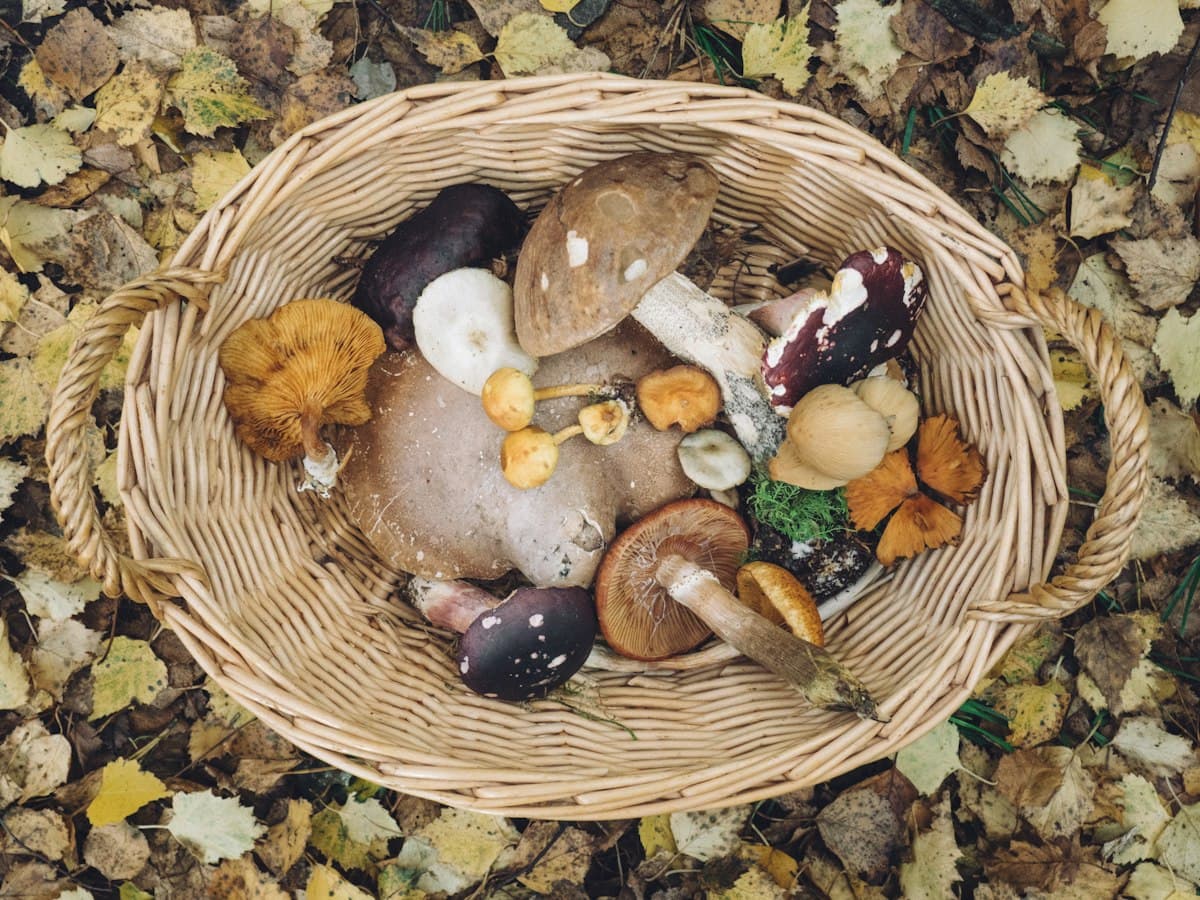
Foraging for Mushrooms While Hiking: What You Must Know Before You Pick
Foraging for mushrooms on hiking trails: French regulations, deadly mix-ups to avoid, and why pharmacy verification is non-negotiable.