
Ticks and Insects While Hiking: The Complete Protection Guide
Spring and summer are the best seasons for exploring forest trails, woodland paths and Mediterranean garrigue. But along with the warmth and lush vegetation come insects — and among them, a handful of nuisances you need to know how to handle. Ticks, mosquitoes, horseflies, harvest mites, hornets: each presents a different risk, with specific countermeasures.
This guide covers the main insects and mites encountered on French hiking trails, explains how to avoid them, and gives you the right reflexes to adopt before, during and after your outing.
Ticks: Where to Find Them, When to Act
Where do they live?
Ticks thrive in damp, shaded environments: forest edges, woodland, bracken, tall grass, meadows. In Provence, garrigue and wooded areas are particularly affected from spring onwards. Contrary to popular belief, they do not fall from trees — they wait at vegetation height (grasses, bushes) and latch on as you brush past.
Peak season: April to October, with a peak from May to July. The deer tick (Ixodes ricinus) is active from 7–8 °C. In Provence, it can bite as early as March.
Body hotspots: ticks crawl under clothing and seek warm, hard-to-see areas — armpits, knee creases, behind the ears, the nape of the neck, groin, navel.
How to avoid bites
A few simple measures significantly reduce the risk:
- Cover up: tuck long trousers into your socks, wear long sleeves. Permethrin-treated clothing or tightly woven fabrics create an effective barrier.
- Use a repellent: apply a repellent containing DEET, icaridin (picaridin) or IR3535 to exposed areas (wrists, ankles, nape). Reapply every 2 to 4 hours.
- Stay on the trail: avoid crossing areas of tall grass or bracken, or sitting directly on the ground.
- Check your pets: dogs frequently bring ticks back from woodland outings.
Removing a Tick: the Right Technique
If you find a tick attached to your skin, stay calm — act quickly and use the correct method.
What to do:
- Use a specialist tick-removal tool (tick hook or fine-tipped tweezers).
- Grasp the tick as close to the skin as possible without crushing its body.
- Pull gently with a slow rotating motion — no sudden jerks.
- Disinfect the area with an antiseptic.
- Note the date of the bite and monitor for a ring-shaped redness in the days that follow.
What NOT to do:
- Do not crush the tick or suffocate it with alcohol, petroleum jelly or a flame — this encourages regurgitation and increases infection risk.
- Do not pull the tick out with bare fingers.
Mosquitoes: Managing Summer Discomfort
In forests and near wetlands, rivers and ponds, mosquitoes are inevitable at dusk and in the evening. In mainland France, they are mainly a nuisance rather than a health risk — except for people with allergies or in areas where the tiger mosquito (Aedes albopictus) is established, including much of the Provence-Alpes-Côte d'Azur region.
Effective repellents: products based on icaridin (picaridin) work well against mosquitoes and are well tolerated by most skin types. Long-lasting formulas (8 h) are ideal for full-day outings.
Clothing: mosquitoes can bite through thin fabrics. Go for tightly woven materials or treated anti-mosquito clothing.
Bivouac nights: if sleeping in a tent, check the integrity of the mesh. A tent with an integrated mosquito net is essential in damp areas.
Horseflies: the Enemy of Hot Days
The horsefly (Tabanus) is harder to deter than a mosquito. It attacks in broad daylight, on hot and humid days, often near meadows and wooded areas. Its bite is painful and can trigger a significant localised reaction.
What to do?
- Standard repellents are moderately effective against horseflies: icaridin helps, DEET performs better.
- Wear light colours: horseflies are more attracted to dark shades and shiny surfaces.
- Keep up a brisk pace — horseflies struggle to follow a fast walker.
- If bitten, disinfect the wound and apply an antihistamine cream if the reaction is significant.
Harvest Mites: Late Summer's Hidden Menace
Harvest mites (Neotrombicula autumnalis) are tiny mite larvae, virtually invisible to the naked eye. They attach to skin — especially around friction zones (ankles, waistband, wrists) — and cause intense itching, sometimes appearing 12 to 24 hours after the walk.
They are found from July to October in grasses, bracken and garrigue.
How to protect yourself:
- Wear covering clothing and gaiters that close snugly.
- Apply repellent to ankles and wrists before you set off.
- Shower promptly after hiking — they often linger on the skin before biting.
- For itching, an antihistamine cream or cortisone cream provides good relief.
Hornets, Wasps and Bees: Passing Without Provoking
Most encounters with hornets or wasps pass without incident — these insects only sting when they feel threatened. However, accidentally disturbing a nest can trigger a mass attack.
If you encounter a nest:
- Stay calm, do not wave your arms or strike the nest.
- Move away slowly and quietly — do not run.
- Detour widely around the area rather than continuing along the trail.
If stung:
- Remove the stinger (bees) with a fingernail or stiff card — do not pinch.
- Apply cold and, if needed, an oral antihistamine.
- Multiple stings or a sting inside the mouth or throat require immediate emergency care.
Known allergy: if you are allergic to hymenoptera stings, never leave home without your adrenaline auto-injector (EpiPen or equivalent), and inform your hiking companions before departure.
Choosing the Right Anti-Insect Equipment
Repellents: which active ingredient?
| Active | Effectiveness | Duration | Notes |
|---|---|---|---|
| DEET | Very high | 4–8 h | Effective against ticks and mosquitoes. Can damage some plastics. |
| Icaridin (picaridin) | High | 4–8 h | Very well tolerated, less aggressive than DEET. Recommended for children. |
| IR3535 | Moderate | 2–4 h | Natural origin, less powerful. Ideal for short outings. |
| Permethrin | High | Several washes | For clothing only — toxic in direct contact with skin. |
For children under 2, avoid chemical repellents — covering clothing is a better option.
Protective gear
- Hiking gaiters: they close the gap between boot and trouser — a tick's preferred entry point. Lightweight nylon gaiters are adequate for forest and garrigue terrain.
- Zip-off trousers: convertible to shorts, they let you adapt to heat while keeping protection in high-risk areas.
- Hat or cap: protects the nape and scalp, areas targeted by ticks when passing through low-hanging branches.
The Essential Reflex: the Full-Body Check
After every forest outing, carry out a complete body check:
- Undress fully as soon as you return, ideally before entering the house.
- Inspect your entire body in good light (or ask a companion to check hard-to-see areas).
- Pay particular attention to warm, folded areas: armpits, knee creases, behind the ears, nape, groin, navel, scalp.
- Put clothing directly into the washing machine at 60 °C — heat kills any remaining mites.
- Check your pets as well if they came along for the walk.
If a tick is found, remove it immediately with the right tool (see above) and record the date. Monitor for four weeks to catch any early sign of Lyme disease.
Fear of ticks and insects should never put you off hiking — with the right precautions, the risk is very manageable. Discover forest walks and Provençal trails on OpenRando, and explore our other guides for worry-free hiking:
- How to choose hiking clothes: the 3-layer system
- Hiking with a baby: baby carriers and practical tips
- Explore trails in Provence on OpenRando
As an Amazon Associate, we earn from qualifying purchases. Links marked with an external icon are affiliate links.
Related reading
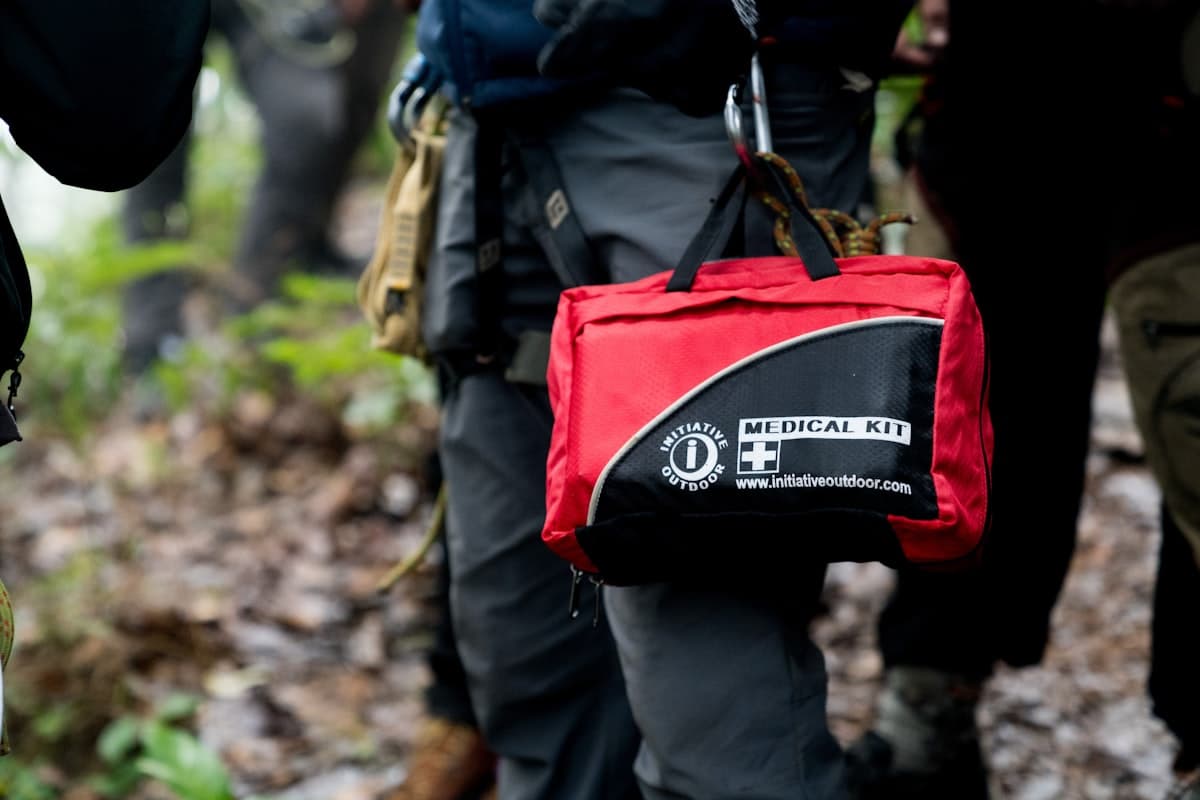
What to Pack in Your Hiking First Aid Kit: The Complete Guide
Bandages, antiseptic, emergency blanket… Discover everything your hiking first aid kit should contain so you can hit the trails with confidence.
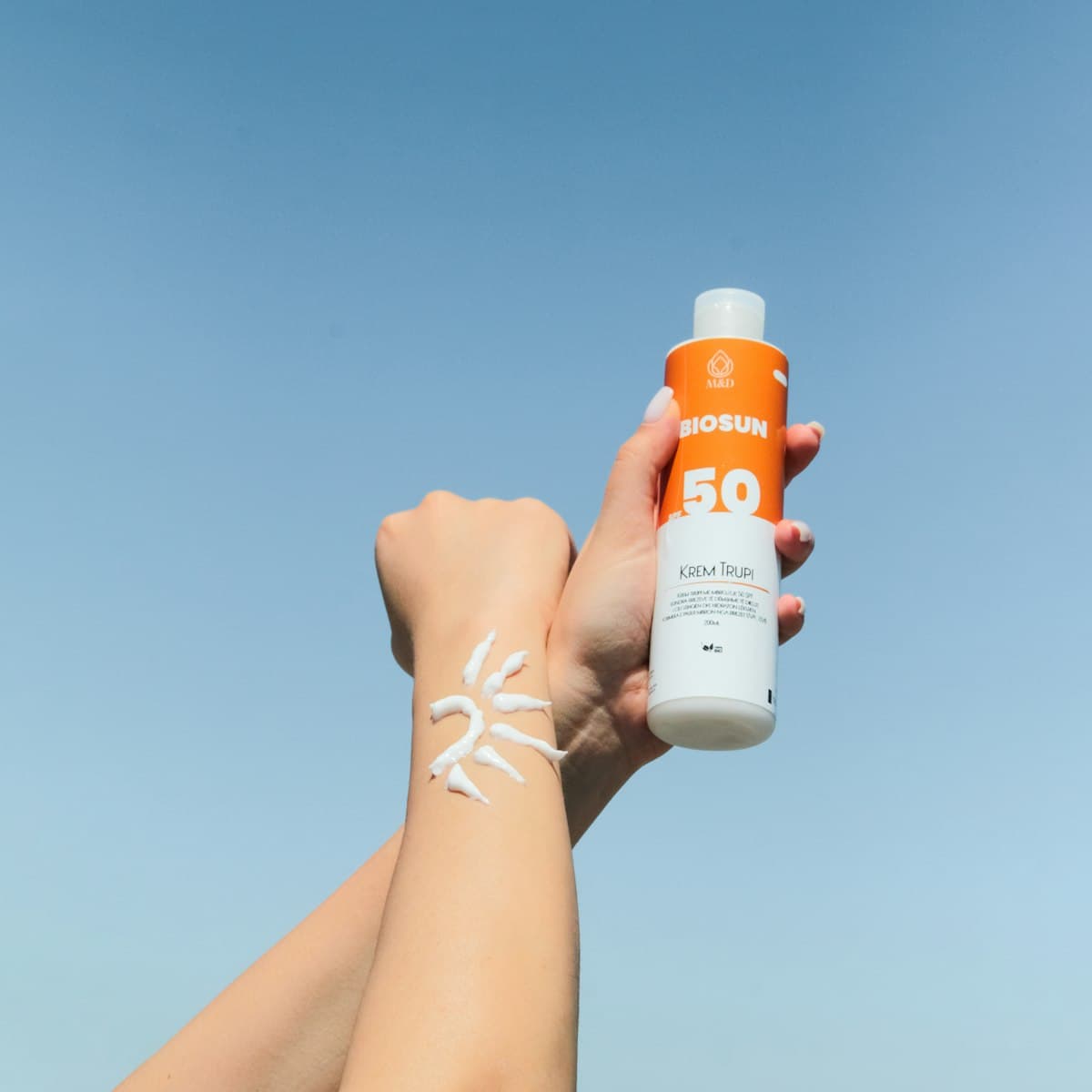
Protecting Your Skin While Hiking: Sun, Wind and Cold
Sunburn, chapping, dryness: a hiker's skin endures sun, wind and cold far more than that of city dwellers. Here's how to protect it effectively all year round.
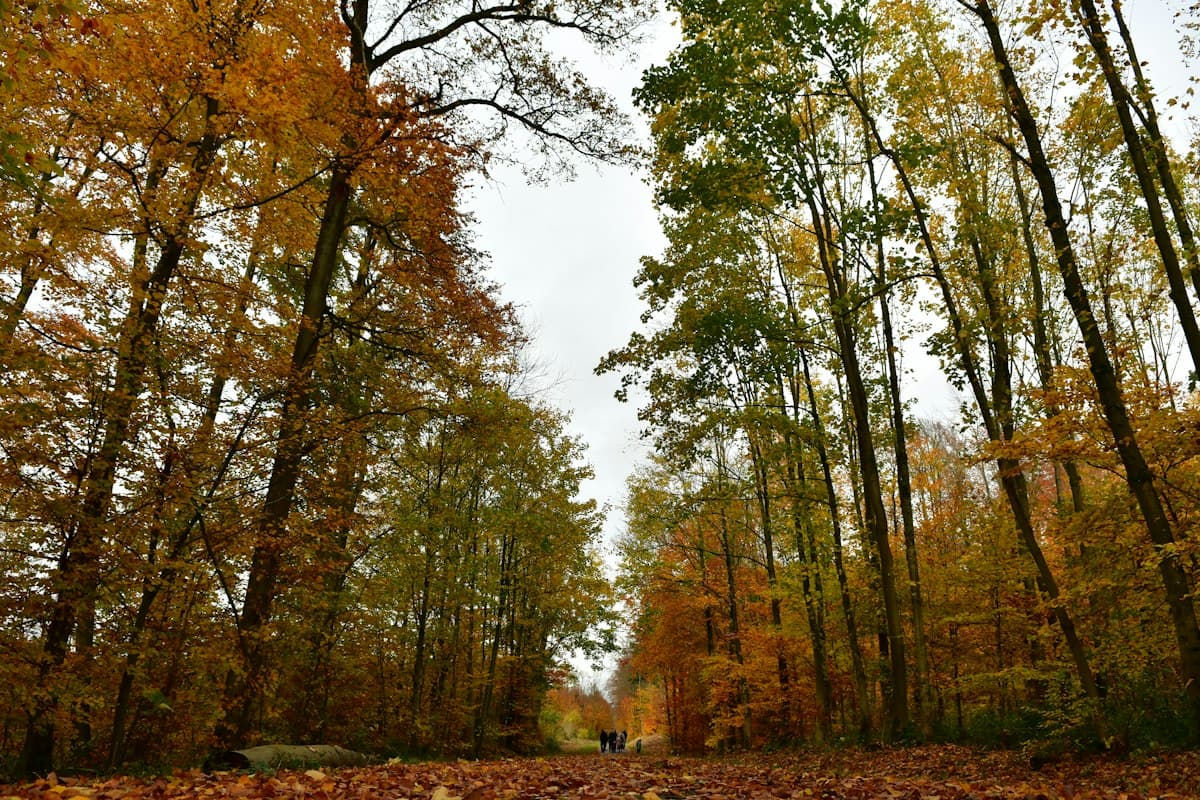
Hiking During Hunting Season: How to Stay Safe in Autumn
How to hike safely during hunting season in France: know the hunting dates by region, how to spot an active drive hunt, how to stay visible, and what to do if you encounter a battue.