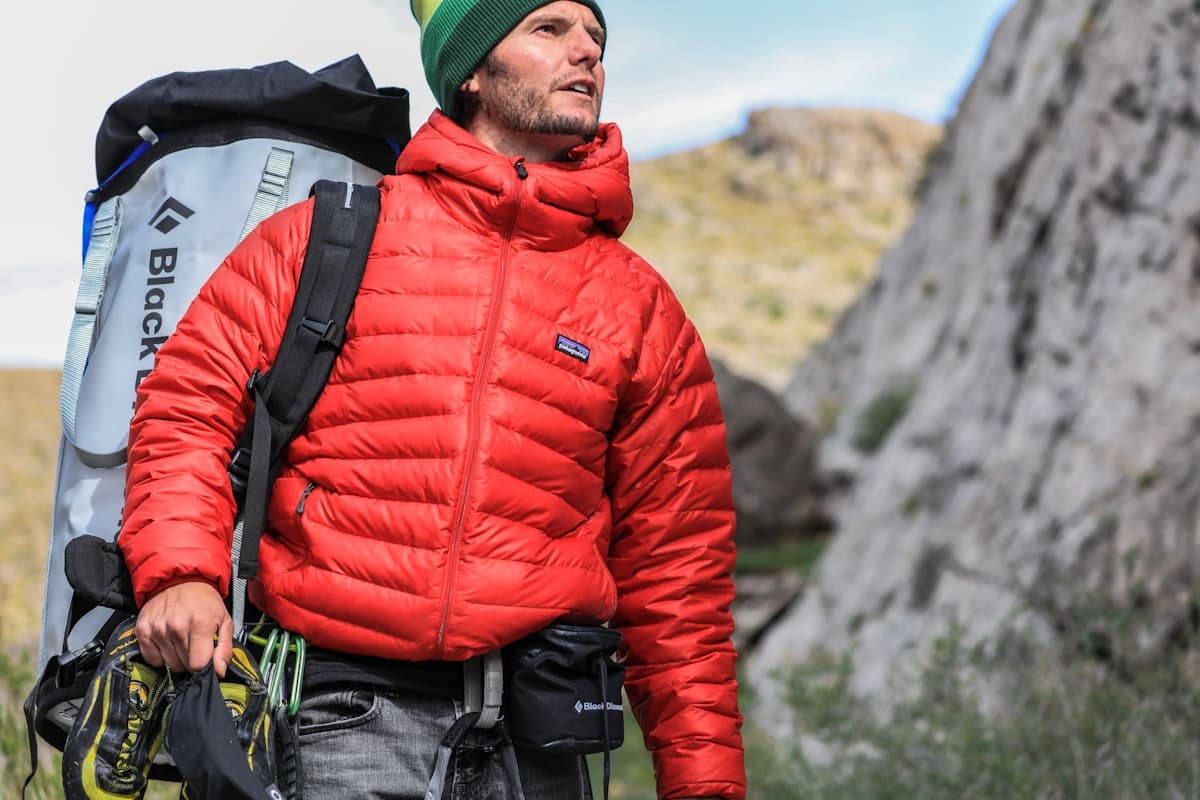
How to Choose Hiking Clothes: The 3-Layer System Explained
People often focus on footwear, backpacks, or trekking poles — but clothing is your first line of defence against the elements. On the trail, weather can shift in minutes: sunshine in the valley, icy wind on the ridge, a downpour on the descent. A poor clothing choice can turn a pleasant outing into an uncomfortable ordeal, or even a dangerous situation.
The solution? The 3-layer system. This principle, adopted by mountain professionals for decades, works for all levels and all seasons. This guide explains how to master it so you can dress smart for your next hike.
Layer 1: The Base Layer (Next-to-Skin Layer)
The base layer sits directly against your skin. Its role is singular but critical: wick sweat away toward the outer layers so your skin stays dry. Despite what many people think, this layer does not warm you — it manages moisture.
Materials: merino wool vs. synthetic
Merino wool
- Excellent natural thermoregulation: warm when it's cold, cool when it's warm
- Natural odour resistance — ideal for multi-day treks
- Superb next-to-skin comfort, no itching
- Slower to dry than synthetic
A merino base layer is perfect for mid-mountain hikes, multi-day treks, and cool conditions.
Synthetic (polyester, polypropylene)
- Very fast moisture wicking
- Ultra-quick drying — best in wet conditions
- More affordable price point
- Tends to retain odours after multiple days
A synthetic base layer is the preferred choice for very active outings, long steep climbs in the heat, or hiking in heavy rain.
What to avoid
Cotton is absolutely off-limits for hiking. It absorbs sweat without wicking it away, clings to skin, takes hours to dry, and creates a dangerously cold sensation when you stop moving — a real hypothermia risk in cool weather.
Weight: lightweight, midweight, or heavyweight?
- Lightweight (120–150 g/m²): spring, summer, high-intensity outings
- Midweight (170–200 g/m²): autumn, shoulder season
- Heavyweight (250+ g/m²): winter, high altitude, bivouacking
Layer 2: The Mid Layer (Thermal Insulation)
The mid layer traps the heat your body produces. This is the thermal insulator of the system — the layer you peel off on climbs and pull back on at rest stops or on descents.
Fleece, down jacket, or softshell?
Fleece
Lightweight, breathable, and maintains its insulating properties even when damp: fleece is the reliable all-rounder. It comes in different weights for different conditions.
- Lightweight fleece (100 g/m²): works alone in autumn or as an underlayer in winter
- Heavyweight fleece (200–300 g/m²): main mid layer in cold conditions (-5 to +5 °C)
A lightweight hiking fleece remains the benchmark choice for most hikers: versatile, easy to wash, long-lasting.
Down jacket (natural or synthetic fill)
A down jacket offers the best warmth-to-weight ratio available. A 250 g down jacket can replace a 600 g fleece for equivalent insulation.
- Natural down (goose or duck): superior warmth-to-weight ratio, but loses insulating properties when wet. Best for dry bivouac conditions.
- Synthetic fill (PrimaLoft, Thinsulate…): stays warm even when damp, dries faster. Recommended for wet or unpredictable conditions.
A packable lightweight down jacket tucks into a hip belt pocket and is indispensable for summit stops, overnight bivouacs, and winter hikes.
Softshell
A softshell combines light insulation with partial wind protection. In low-rain conditions it can sometimes replace both the mid layer and the outer shell, but it has clear limits in sustained rain. Best suited to spring and autumn outings.
Layer 3: The Outer Shell (Protection from the Elements)
The outer layer shields against rain, wind, and snow. It is the armour of your system — the piece that keeps the two inner layers dry and functional.
Hardshell vs. softshell (as outer layer)
Hardshell (technical waterproof jacket)
The reference for maximum protection against rain and wind. The best models use Gore-Tex, eVent, or brand-specific membranes.
- Full waterproofing (minimum 10,000 mm hydrostatic head, 20,000 mm for severe conditions)
- Variable breathability depending on quality (MVTR rating)
- Full windproofing
- Taped seams to eliminate leak points
A Gore-Tex hardshell jacket belongs in every hiker's kit, even in summer in mountain ranges — storms can roll in suddenly and drench you in minutes.
What to check on the label?
| Criterion | Minimum | Recommended |
|---|---|---|
| Waterproofing (mm) | 10,000 | 20,000+ |
| Breathability (g/m²/24h) | 10,000 | 20,000+ |
| Seam taping | Critical seams | Fully taped |
DWR treatment: keep it maintained!
All waterproof jackets have a DWR (Durable Water Repellent) treatment that makes water bead off the face fabric. This coating wears down over time and with washing. When your jacket starts to "wet out" instead of beading, it's time to reapply with a DWR spray or specialist wash — the membrane's waterproofing stays intact, but breathability depends on the DWR working properly.
Building your system for the season and terrain
The real power of the 3-layer system is modularity. You don't need all three layers at once.
Summer in Provence (Verdon, Calanques, Luberon)
In midsummer heat on southern trails, warmth is the main concern. The winning combination:
- Layer 1: lightweight technical base layer (merino or synthetic, 120 g/m²)
- Layer 2: often unnecessary while moving, but pack a light fleece for summit stops
- Layer 3: lightweight wind jacket or compact waterproof in your pack (summer storms are common)
Find trails suited to these conditions on OpenRando.
Spring and autumn (shoulder season)
Conditions are at their most variable. The full system is justified:
- Layer 1: midweight merino (170 g/m²)
- Layer 2: light to mid-weight fleece
- Layer 3: waterproof shell — non-negotiable
Winter and high altitude
Cold and moisture call for the full system with quality materials:
- Layer 1: heavyweight merino (250 g/m²) or double base layer
- Layer 2: natural down jacket or heavy fleece
- Layer 3: technical hardshell with fully taped seams
Other clothing items you shouldn't overlook
The 3-layer system primarily covers your torso, but other pieces matter too.
Trousers and tights
A convertible hiking trouser (zip-off at the knee) is the most versatile option. Fleece or softshell trousers for cold conditions, lightweight stretch fabric for summer.
Gloves and hats
In the mountains, extremities cool fast once the wind picks up. A lightweight beanie and a pair of waterproof gloves fit in a jacket pocket and can completely transform your comfort when an unexpected cold snap hits.
Technical socks
Like the base layer, merino or technical synthetic hiking socks wick moisture and prevent blisters. Don't neglect them, especially on long-distance outings.
Classic mistakes to avoid
- Starting out in cotton: the worst choice in wet or cold weather
- Over-packing layers: a light mid layer plus a shell beats a single heavy jacket every time
- Leaving the outer shell at home in summer: a mountain storm can drench you in minutes
- Wrong sizing: an outer shell must fit over both inner layers — size up if you're in between
- Neglecting DWR maintenance: a jacket that's wetting out is half-functional — re-treatment takes 10 minutes
Building your hiking wardrobe without breaking the bank
You don't need to buy everything at once. Here's the priority order:
- First: a good technical base layer (€20–60) and a waterproof shell (€80–200). These two pieces make the biggest single difference to comfort.
- Second: a versatile fleece (€40–100), essential for cooler outings.
- Third: a packable down jacket (€80–200), which becomes quickly indispensable for high mountain and overnight trips.
A complete, functional system can be built for €200–400 at entry level — an investment that lasts several years with proper care.
To complete your preparation before your next hike, read our other guides:
- Hiking sunglasses comparison: choosing the right lenses
- Hiking in extreme heat: prevention and adaptation
- Explore hiking trails in Provence
As an Amazon Associate, we earn from qualifying purchases. Links marked with an external icon are affiliate links.
Related reading
Hiking in Changing Weather: Managing Temperature Swings in Autumn
Hiking in autumn when temperatures vary by 15 degrees throughout the day: how to dress, manage perspiration, and anticipate weather changes.
Fleece vs Down Jacket for Hiking: The Real Comparison
Fleece or down jacket for autumn hiking? Warmth, breathability, packability: what actually sets them apart and how to choose.
How to Prepare for Your First Mountain Hike
Gear, training, weather, and route planning: everything you need to know to successfully complete your first mountain hike safely and make the most of the experience.