Hiking During Hunting Season: How to Stay Safe in Autumn
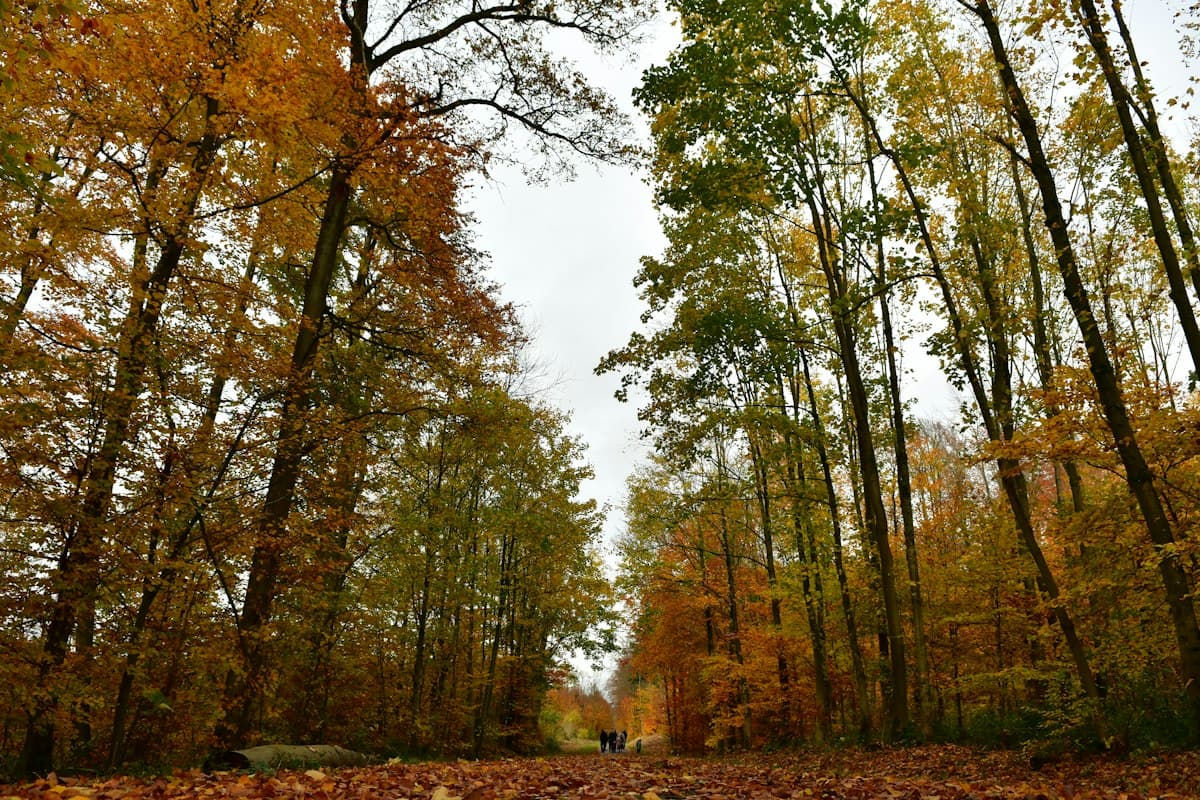
October in the forest means the scent of wet leaves, the amber hues of beeches — and the distant sound of hounds. Hunting season in France coincides exactly with the most beautiful weeks for autumn hiking. That's not a reason to avoid the trails, but it is a reason to hike differently.
Every year, several hikers are injured by hunting shots in France, in most cases due to poor visibility or lack of awareness of hunting protocols. This article gives you the practical information you need to hike confidently in forests from October onwards: understanding legal dates, identifying an active hunt sector, making yourself visible, and knowing how to react if you encounter a hunt in progress.
1. Hunting Season: Dates and Regional Variations
Hunting in France is authorized during periods defined by prefectural order, which vary considerably from one department to another. There is no unified national calendar.
General patterns:
- Game birds (pheasant, partridge, woodcock): season typically opens between mid-September and early October.
- Ungulates (wild boar, roe deer, red deer): opening often in September, closing between December and February depending on species and region.
- Collective drive hunts (wild boar, large game): concentrated on weekends, usually Saturday and Sunday from September through January.
Drive hunting for large game in the forest — the form most commonly encountered on weekend hikes — takes place from September to late January in most regions. Sunday is statistically the most common drive hunt day in forested areas.
Important variations: Some departments impose mandatory hunt-free days (often Wednesday or Monday). Corsica, national parks, and certain nature reserves have specific rules. Always check the calendar for your specific department.
2. Where to Find Hunting Days in Your Area
This is the most practical question — and the answer isn't always easy to find.
Official Sources
Your department's hunting federation website: each departmental federation publishes calendars online, and some provide maps of hunting zones. Search "Fédération de chasse" + your department name.
Town hall (mairie): organized drives must be declared at the local town hall. A quick phone call during the week is enough to find out if a drive is planned in the communal woods that weekend.
Prefectural orders: published on each prefecture's website, they list huntable species, dates, and sometimes the areas involved.
Apps and Online Tools
- Chassons.com: the best-known hunters' platform, with a map of hunting territories.
- IGN Maps (Géoportail): hunting reserve boundaries and protected zones appear on specific layers.
To remember: No source is comprehensive or real-time. A drive hunt can be organized within a few days. Visibility remains your best protection.
3. Making Yourself Visible: Colors and Sound
This is rule number one, and it's simple: wear a fluorescent color, preferably orange or yellow hi-vis.
Why Fluorescent Orange?
Hunters wear orange vests to see each other. Fluorescent orange stands out sharply against all the colors of an autumn forest (brown, russet, green) and remains visible even in low light. Natural tones and dark colors (khaki, brown, dark green) are, conversely, the worst choices during hunting season.
A hi-vis orange vest slipped over your jacket is enough. It costs almost nothing, weighs nothing, and could change the course of a day.
And Your Dog?
If you're hiking with your dog, fit them with a hi-vis orange dog vest as well. Unidentified dogs in forest during a drive hunt are a frequent source of accidents and tensions. See our guide on hiking with your dog for complete advice on leashes and behavior in the forest.
Sound: An Essential Complement
Visual visibility isn't enough in a dense forest where vegetation blocks sight lines within a few meters. Signal your presence acoustically:
- Speak loudly in wooded areas.
- Use a safety whistle — one short blast every two to three minutes in dense undergrowth.
- Bells or jingles attached to your pack work very well too.
- Avoid earphones, which mask warning sounds (gunshots, hound baying, beaters' voices).
4. Recognizing an Active Drive Hunt
Knowing how to spot an active drive hunt allows you to react well before reaching the shooting zone.
Signs of an active drive hunt:
- Vehicles parked along forest roads, often in groups (vans, estates).
- Hounds (beagles, gun dogs) heard in the distance, with sharp barking.
- Beaters' voices advancing in a line through the woods.
- Trail markings: flagging tape, "chasse en cours" (hunt in progress) signs, orange cones.
- Sentinels posted at woodland edges or path junctions — these are hunters blocking the "posts" (game exit points).
If you notice any of these signs, pause and assess the situation before moving forward.
5. What to Do When You Encounter a Hunt
Before Entering the Zone
If you identify signs of a drive hunt at the entrance to a woodland area:
- Find the hunt manager. They are usually identifiable by an orange vest marked "responsable" or "chef de ligne". Ask them which route you can take without interfering with the drive.
- Wait for the end of a push. A drive hunt runs in phases ("poussées") of 30 to 60 minutes. Between pushes, the hounds are recalled and shooters reposition — this is the right time to pass through.
- Turn back if necessary. This is not a defeat — it's common sense. Take an alternate route or return in late afternoon when teams have typically packed up.
If You Find Yourself Mid-Hunt
Stay calm. Raise your arms to signal yourself, speak loudly. Do not run. Head for the nearest wide path or forest edge. Hunters themselves prefer to pause a push upon the announcement of a walker rather than risk an incident.
In case of aggressive contact, note the license plates of vehicles present and the geographic area. You can report an incident to the gendarmerie or to the local hunting federation representative.
Co-existence between hikers and hunters works in the vast majority of cases when both parties communicate. It's usually the silent, unexpected situations that escalate.
6. Zones Where Hunting Is Prohibited
Not all forests are hunted. Several categories of zones offer risk-free hiking:
National Parks (Core Zone)
Hunting is prohibited in the core zone of France's ten national parks (Vanoise, Écrins, Mercantour, Cévennes…). In the peripheral zone, it may be permitted under specific orders. Check the park's website to know which zone you are in.
National and Regional Nature Reserves
Most nature reserves prohibit hunting, or limit it to very strictly controlled species and periods.
Peri-urban Forests and Protection Zones
Some forests near urban areas (such as the Fontainebleau forest or state forests in Île-de-France) have specific orders reducing hunting days or hunting zones.
Protected Sunday in Some Departments
About a dozen departments impose a mandatory hunt-free day per week (often Wednesday or Thursday). This is not a national rule, but it exists in certain territories.
Closed Private Properties
A fenced property marked "chasse interdite" (hunting prohibited) or "propriété privée" (private property) cannot be hunted without the owner's permission. These signs do not affect hiking on marked trails (GR, PR) crossing private land.
Summary: 5 Reflexes for Safe Autumn Hiking During Hunting Season
- Check the calendar of your departmental hunting federation before heading out.
- Wear a hi-vis orange vest — both you and your dog.
- Signal yourself acoustically in the undergrowth (whistle, voice, bells).
- Identify signs of a drive hunt before entering a forest area.
- Communicate with hunters present — they'd rather see you leave safely.
The autumn forest remains one of the most beautiful hiking settings in France. With the right reflexes, there is no reason to miss it in October. Explore the forest trails available on OpenRando and plan your next autumn outing.
For more on hiking safety, also read our guide on common safety mistakes to avoid while hiking.
As an Amazon Associate, we earn from qualifying purchases. Links marked with an external icon are affiliate links.
Related reading
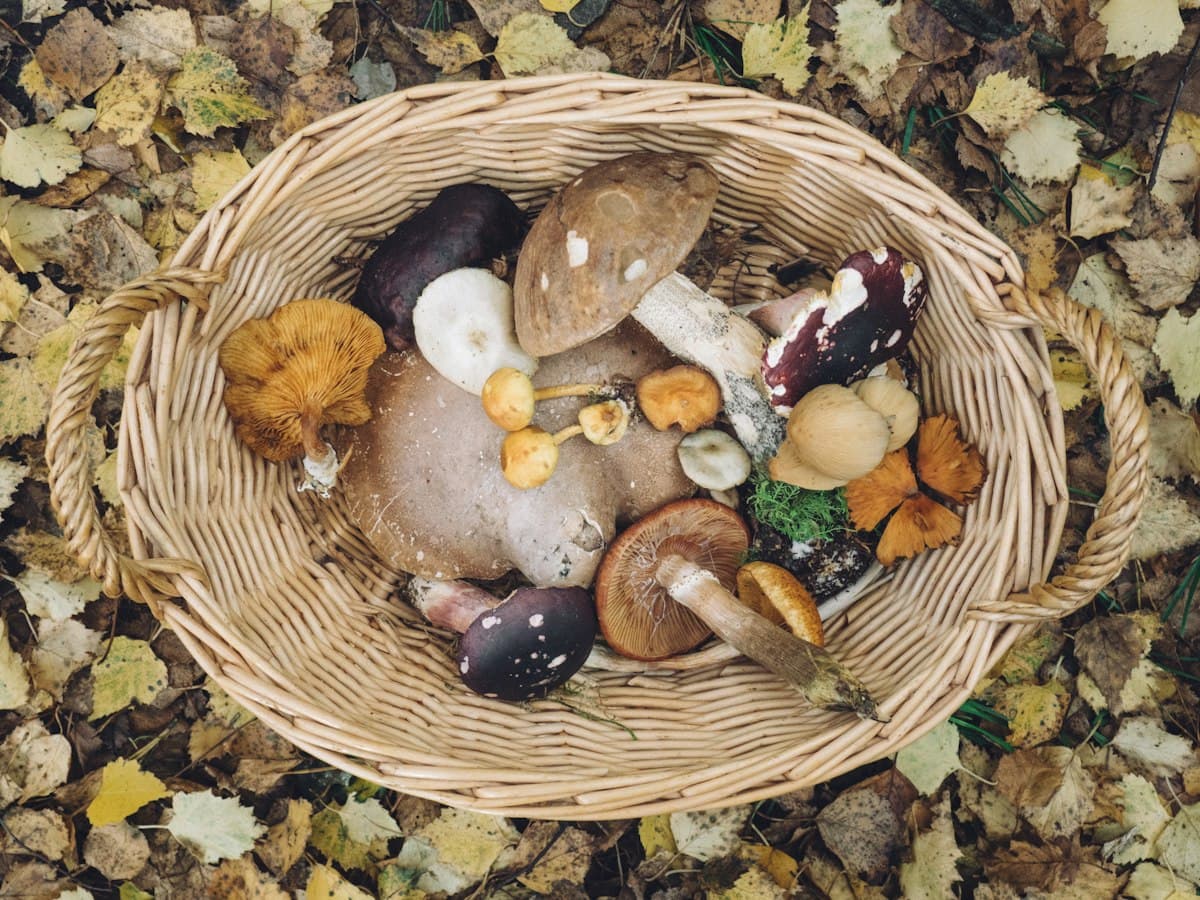
Foraging for Mushrooms While Hiking: What You Must Know Before You Pick
Foraging for mushrooms on hiking trails: French regulations, deadly mix-ups to avoid, and why pharmacy verification is non-negotiable.
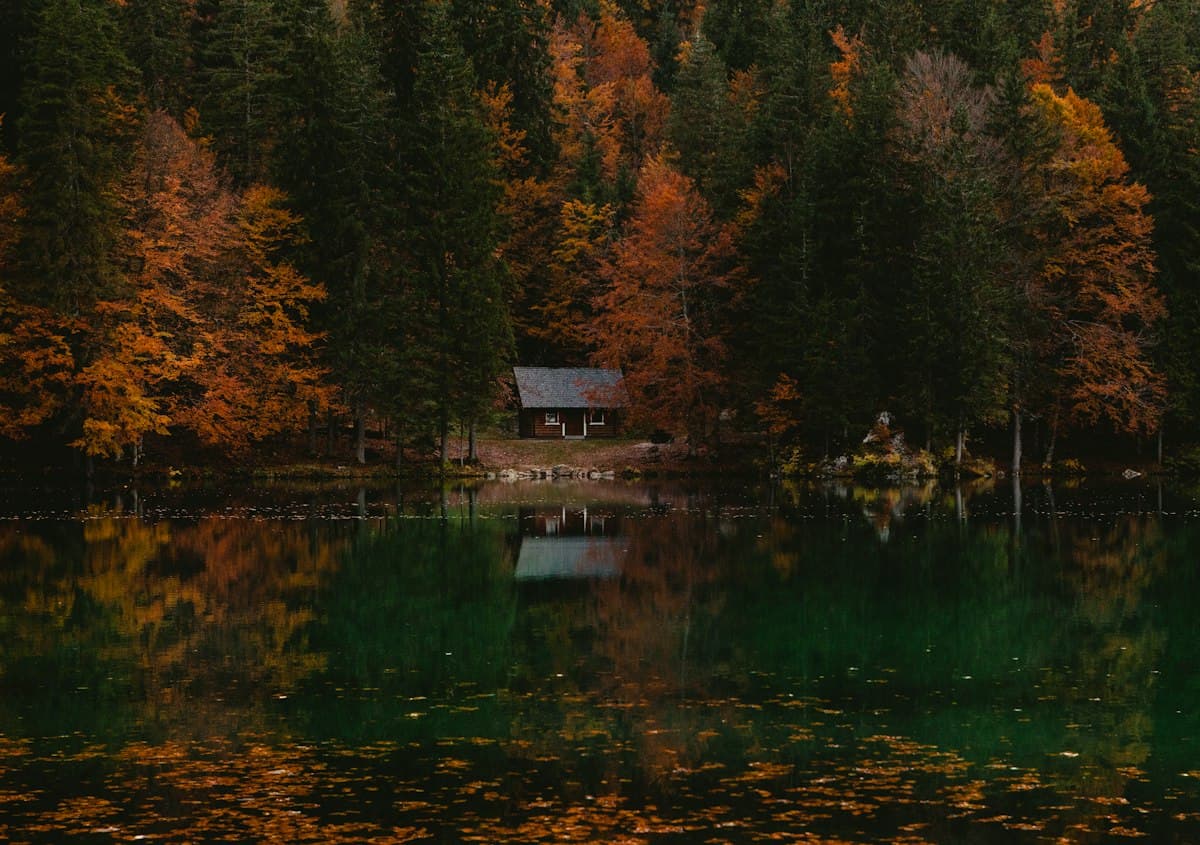
The Best Hikes in the Vosges Mountains
Eight hikes in the Vosges: summits, glacial lakes, highland meadows and ridge trails, through France's most spectacular autumn beech forests.
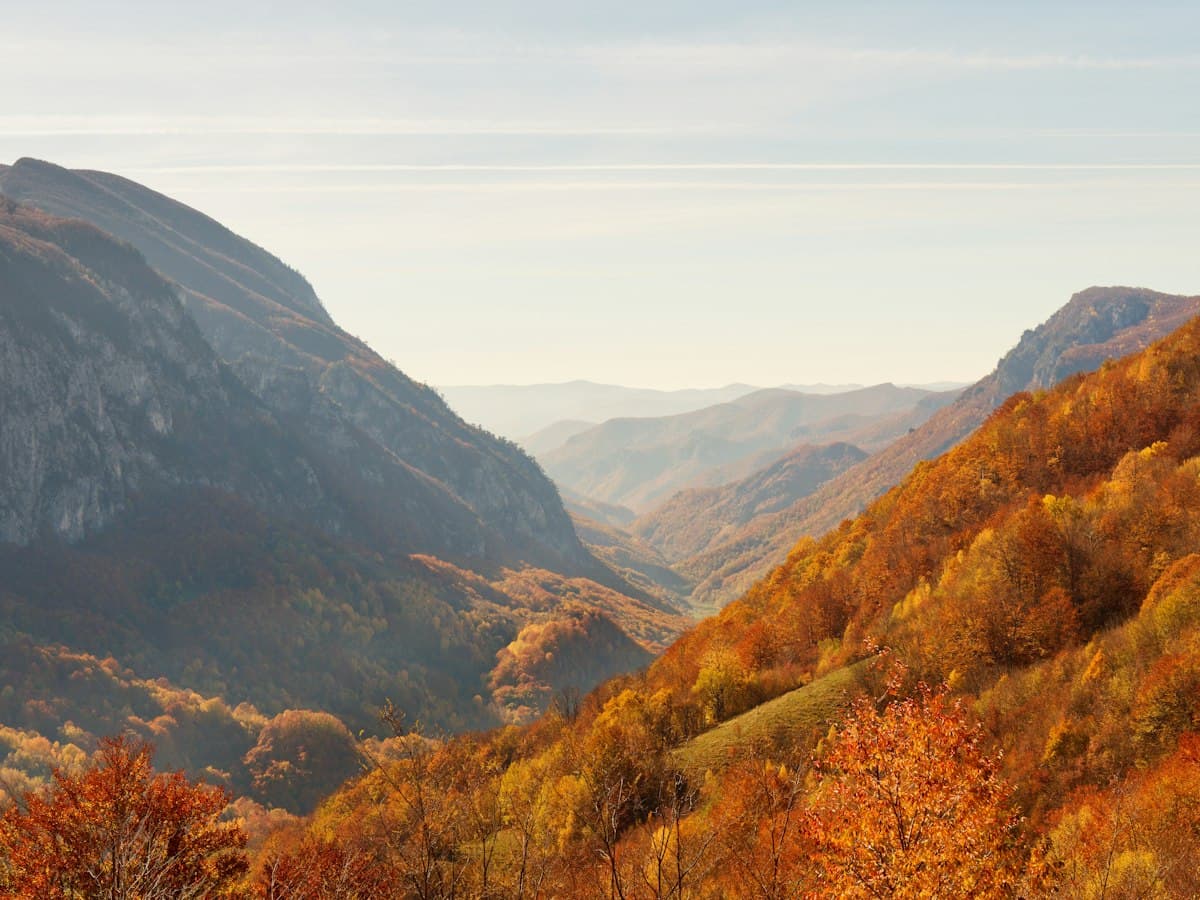
Hiking in Changing Weather: Managing Temperature Swings in Autumn
Hiking in autumn when temperatures vary by 15 degrees throughout the day: how to dress, manage perspiration, and anticipate weather changes.