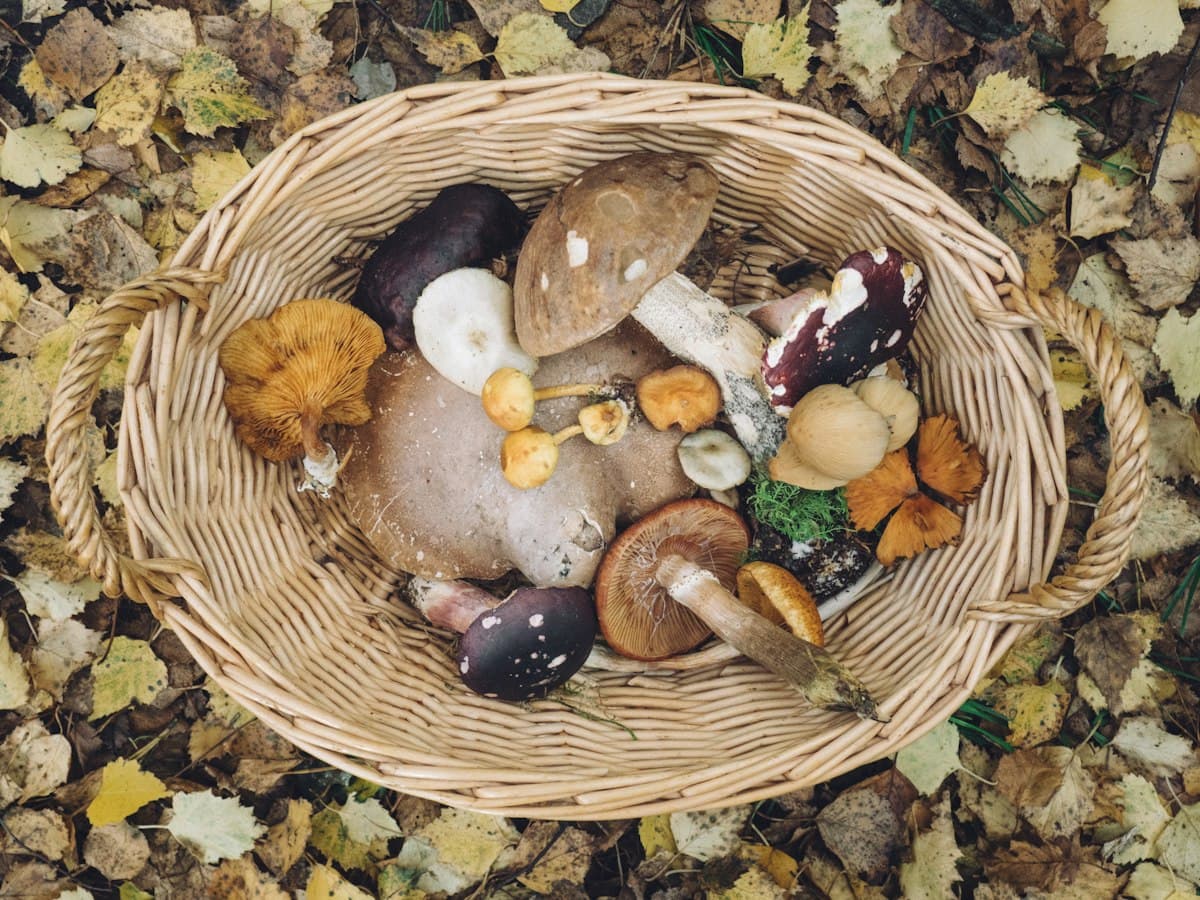
Foraging for Mushrooms While Hiking: What You Must Know Before You Pick
Warning: Every autumn in France, dozens of serious — sometimes fatal — poisoning cases result from confusion between edible and toxic species. This guide is not intended to teach you how to identify mushrooms. It gives you the rules to follow and the reflexes that save lives.
October forests have a particular smell: damp humus, dead leaves, resin. It is also the season when mushrooms burst under the canopy of beeches and oaks. For many hikers, the urge to fill a basket is irresistible. But before you bend down to pick, there are rules to know — legal, practical, and vital.
What the law says: ownership, quantities, and national forests
Mushroom picking in France is regulated by the Civil Code and the Forest Code. The basic principle is simple: mushrooms belong to the landowner. Picking on private land without permission constitutes an offence punishable by a fine.
In state forests (forêts domaniales, managed by the ONF), picking is tolerated for personal and family use, up to a limit of 5 litres per person per day — roughly the volume of a standard basket. This limit is enshrined in the prefectural orders of many forested departments; in Île-de-France, some national forests have reduced it to 2 litres.
A few additional rules:
- Municipal forests: the 5-litre rule generally applies, but check local orders.
- Private land: always get explicit permission from the owner.
- National parks and nature reserves: picking may be completely prohibited — check before you enter.
- Selling at markets: commercialising what you've picked without a declaration is illegal.
The 5-litre rule is not just an administrative constraint: it protects forests from large-scale stripping that weakens mycorrhizal ecosystems.
Essential equipment: an airy basket, a knife, a field guide
How you transport your mushrooms determines their quality and, more importantly, the health of the forest.
The basket: never a plastic bag
A sealed plastic bag is the worst thing you can use. Mushrooms sweat, ferment, and can develop bacteria inside one. More critically: spores cannot disperse during transport. An airy wicker basket allows spores to fall to the ground and continue the mycorrhizal reproductive cycle. It is a simple but fundamental ecological gesture.
The mushroom knife
Cutting rather than pulling preserves the underground mycelium, which can live for centuries. A dedicated knife with an integrated brush lets you clean mushrooms in the field without bringing soil into your basket. Cut cleanly at the base of the stem without tearing.
The field guide
Carrying a reliable field guide in your backpack is essential if you want to attempt identifications. The best French references present toxic lookalikes on the same page as the edible species — that is not a coincidence. But even a guide in the hands of an informed amateur does not replace pharmacy verification.
Your footwear
In wet forest, a carpet of leaves conceals roots and holes. Waterproof hiking shoes prevent ankle sprains on slippery ground and keep your feet dry during long morning walks.
The three most deadly mix-ups
Experienced mycologists know it well: the danger of mushrooms comes less from their intrinsic toxicity than from their resemblance to common edible species. Here are the three confusions that kill people in France every year.
1. Death cap — confused with the field mushroom
The Death Cap (Amanita phalloides) is responsible for 90% of fatal fungal poisonings in Europe. Its toxin, amatoxin, is thermostable — cooking does not destroy it. A single cap can kill an adult. It is regularly confused with the field mushroom (Agaricus campestris) by inexperienced pickers.
The differences are there, but subtle: the death cap has a volva (a sheath at the base of the stem), a greenish tint on the cap, and white gills (versus the pink-then-brown gills of the field mushroom). In beech and oak forest, it is very common.
2. Destroying angel and spring amanita — confused with white field mushrooms
These two all-white amanita species are confused with button mushrooms or white field mushrooms. They share the volva of the death cap, but their immaculate cap makes them appear harmless. The result: serious poisonings, often in people who believed they had experience with foraging.
3. Orellanus webcap — confused with chanterelles and black trumpets
The Orellanus webcap (Cortinarius orellanus) and its relatives have a particularly treacherous toxicity: symptoms (kidney failure) appear 2 to 3 weeks after ingestion. By the time the patient seeks help, the link to mushroom picking is no longer obvious. Confused with chanterelles or dried black trumpets, these fungi have caused permanent kidney failure across France and Poland.
The absolute rule: pharmacy verification
This is the most important rule in this guide. Every harvest, even if you believe you can identify the species, must be shown to a pharmacist trained in mycology before consumption.
In France, many pharmacists have completed supplementary mycology training. They can examine your harvest, remove doubtful species, and confirm what is safe to eat. This service is free in the vast majority of pharmacies.
Present your mushrooms whole, with the stem intact. The volva at the base of the stem, the presence of a ring, the colour of the gills under the cap: these are determining characteristics that you cannot analyse reliably without training.
Some departments publish lists of mycology-trained pharmacists every autumn — check with your local Ordre des pharmaciens.
Never taste to identify
The idea that an edible species would have a particularly pleasant flavour, and a toxic species a bitter or unpleasant taste, is a dangerous myth. The death cap has a mild, pleasant taste. The Orellanus webcap, according to some reports, is even savoury.
Tasting to identify is an error that can be fatal. Never do it, and do not let children put unidentified mushrooms in their mouths — paediatric poisonings exist and are particularly serious.
Preserving the mycelium: simple gestures
The mycelium is the underground network that produces mushrooms. It can cover several hectares and live for centuries. In France, some black truffle mycelium networks have been dated to over 2,000 years old.
To preserve it:
- Cut, do not pull: as mentioned above, a knife is non-negotiable.
- Lightly cover the hole: after cutting, replace a little leaf litter over the disturbed soil.
- Avoid walking over dense patches: repeated trampling compacts the soil and suffocates the mycelium.
- Stay on paths when the ground is wet and fragile.
- Do not pick very young specimens ("eggs") — they have not yet sporulated.
These gestures take only a few seconds and allow the forest to keep offering its treasures in future years. We also cover this topic in our guide on eco-responsible hiking.
What you can confidently look for (with verification)
Some species are considered relatively straightforward to identify for beginners — but "straightforward" does not mean "risk-free." Here are those that mycologists consider accessible in Provence and southern France, subject to pharmacy verification:
- Porcini (Boletus edulis and close relatives): bulbous stem, brown cap, spongy cream/yellow underside. Beware of red-stemmed boletes and those with blue-staining flesh (toxic).
- Chanterelles (Cantharellus cibarius): bright yellow, solid stem, fruity scent. Risk of confusion with the false chanterelle in Mediterranean regions.
- Black trumpets (Craterellus cornucopioides): dark grey-black, hollow, ribbed rather than gilled. Few confusions possible, but be alert to dried Orellanus webcap.
For a broader approach to responsible wild harvesting, see our guide on foraging for wild berries and plants while hiking.
Preparing your mushroom outing
A good mushroom outing starts with good preparation:
- Weather: mushrooms push most strongly after rain followed by mild temperatures. 48–72 hours after moderate rainfall is the optimal window.
- Timing: going out early in the morning means finding intact specimens before other pickers and wildlife.
- Clothing: wet October forest requires protected legs (you bend down constantly), a waterproof jacket, and solid footwear. Pack a headlamp if you set out before sunrise.
- Charged phone: in case of poisoning, call 15 (SAMU) or the regional poison control centre immediately. In Provence-Alpes-Côte d'Azur, it is at the CHU de Marseille.
Use the OpenRando Explore tool to find forested trails near you, and filter by wooded terrain to maximise your chances.
Mushroom foraging is an activity that demands humility and caution. Practised responsibly, it can be a source of immense pleasure and a deep connection with the forest and its natural cycles. But it leaves no room for improvisation. With the right tools, respect for the rules, and the discipline of pharmacy verification, you can enjoy it with complete peace of mind.
As an Amazon Associate, we earn from qualifying purchases. Links marked with an external icon are affiliate links.
Related reading
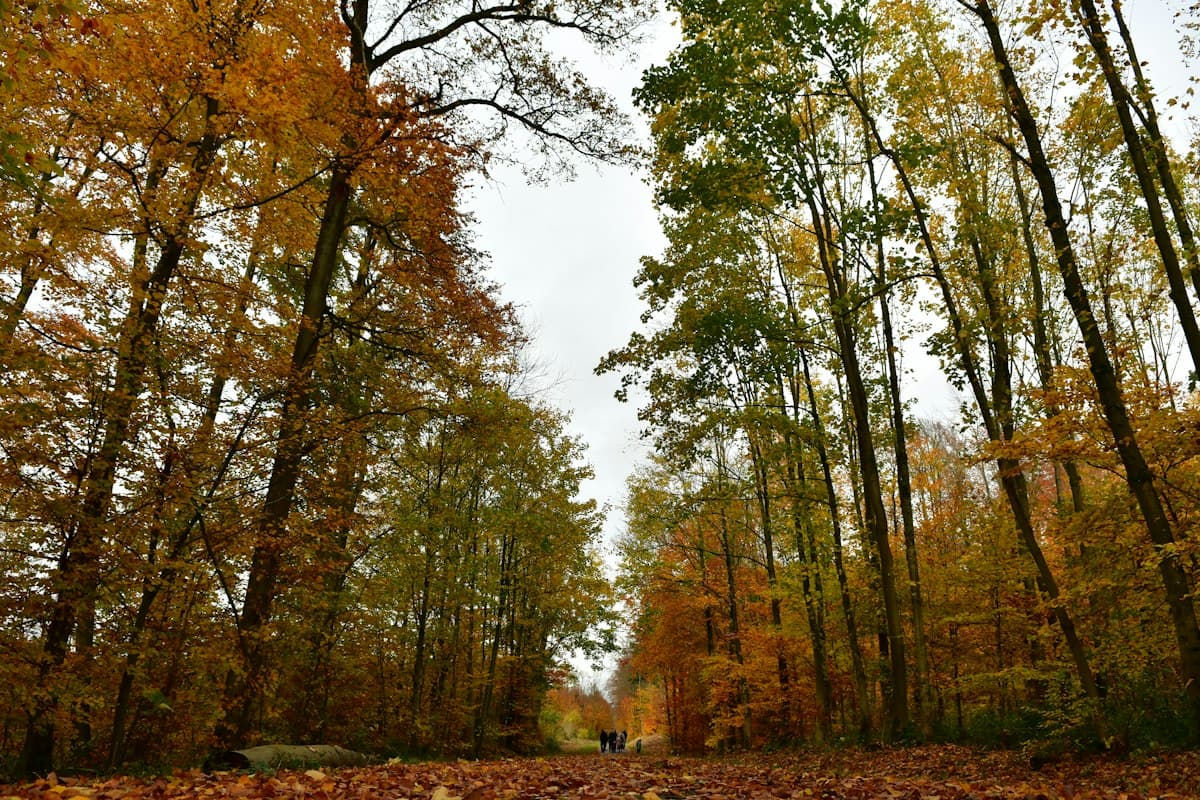
Hiking During Hunting Season: How to Stay Safe in Autumn
How to hike safely during hunting season in France: know the hunting dates by region, how to spot an active drive hunt, how to stay visible, and what to do if you encounter a battue.
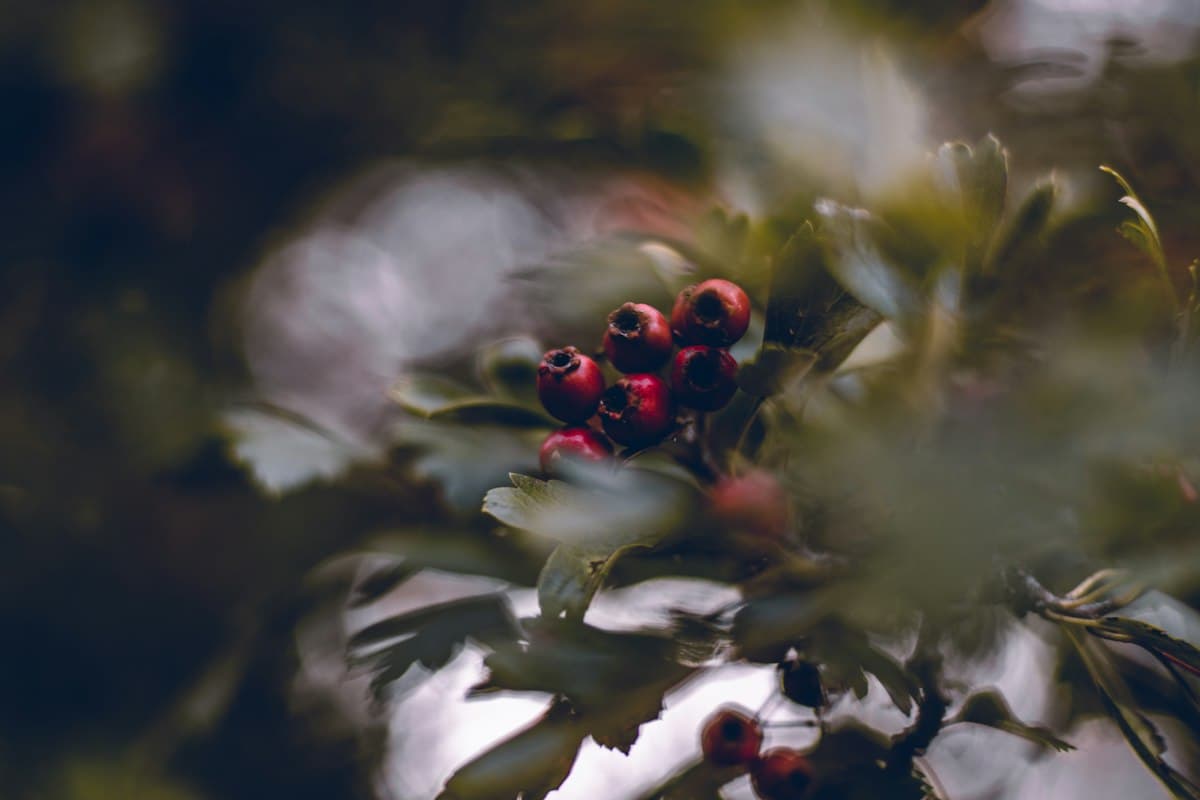
Foraging on Hikes: Wild Berries and Edible Plants Safely
Pick wild plants on hikes without making mistakes: common edible berries and plants, dangerous look-alikes, and foraging rules.
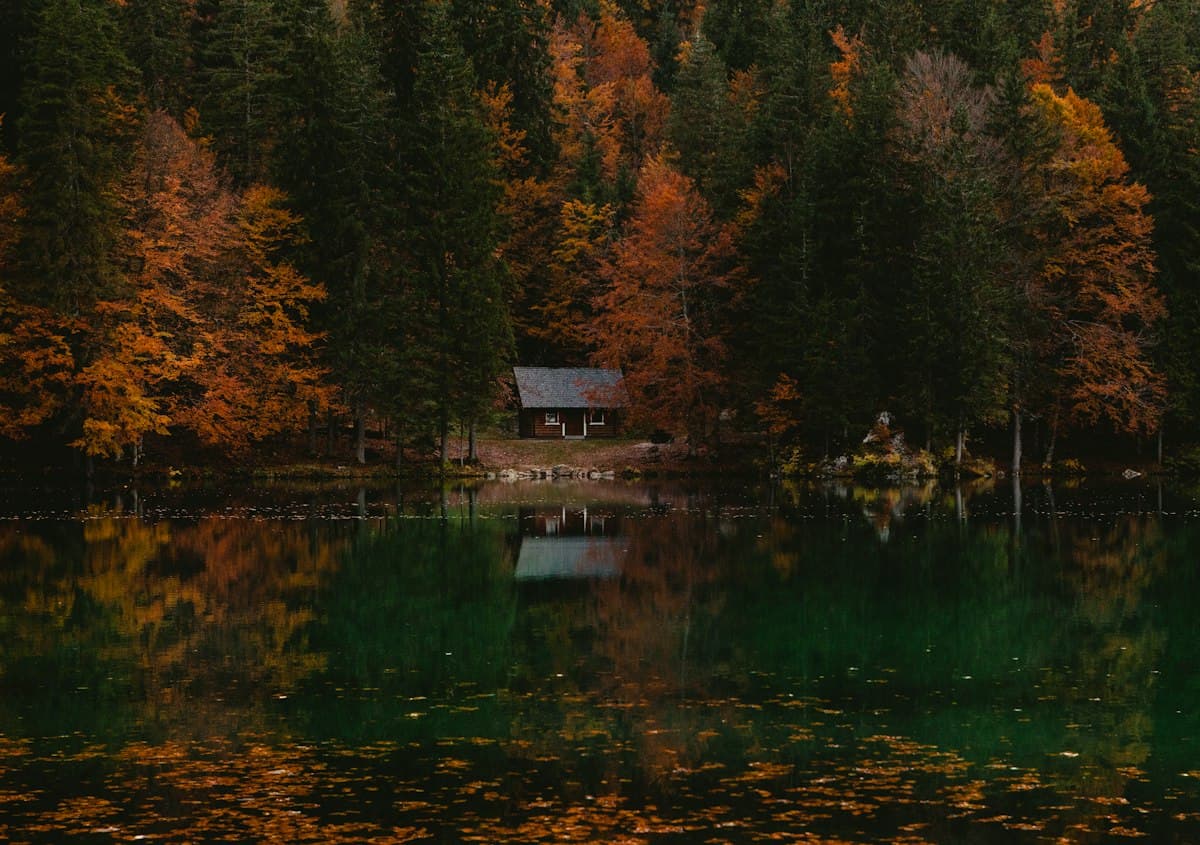
The Best Hikes in the Vosges Mountains
Eight hikes in the Vosges: summits, glacial lakes, highland meadows and ridge trails, through France's most spectacular autumn beech forests.