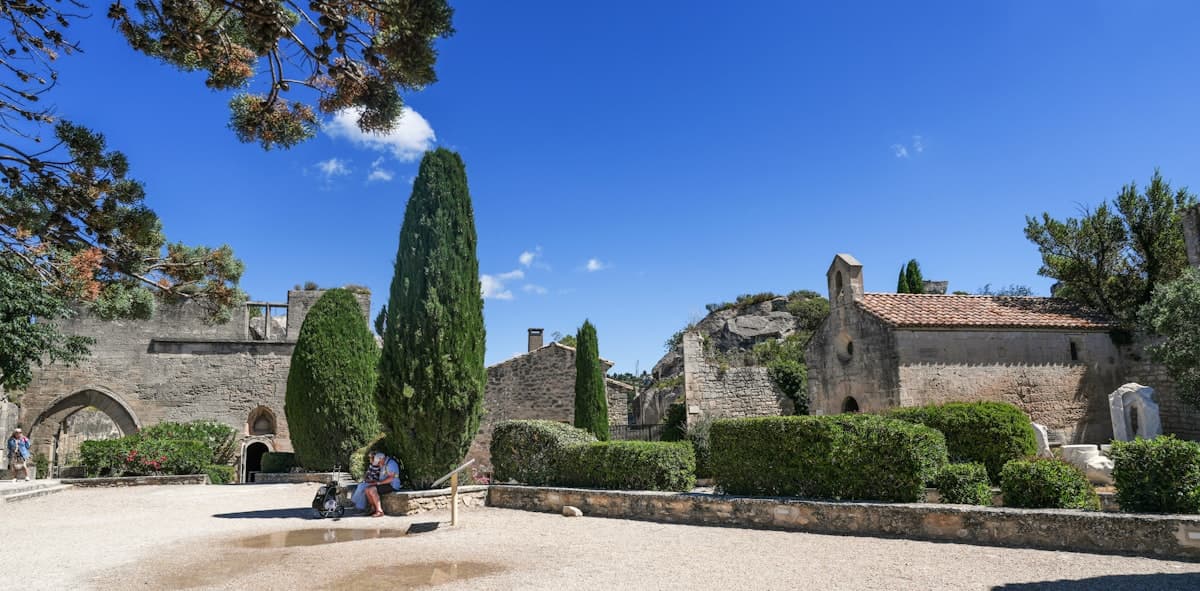
French Heritage Days 2026: 8 Hikes to Reach a Historic Monument on Foot
France's Journées du patrimoine (European Heritage Days) on September 19–20, 2026 open the doors of thousands of monuments. Most visitors arrive by car, park nearby and queue up at the entrance. There is another way to experience these two days: arriving on foot, along a trail through vineyards and garrigue, discovering the monument at the end of a walk rather than the end of a traffic jam.
That's exactly what OpenRando offers for this 2026 edition: eight routes that lead directly to a historic monument. From abbey trails to oppidum slopes, each outing combines physical effort with a cultural reward.
Walking to the Monument: A Different Way to Experience Heritage
Reaching a medieval castle after two hours through the woods is a radically different experience from a car park stop. The monument fits into its landscape. You understand why the builders chose that rocky spur, that river meander, that hilltop visible for ten kilometres around.
Heritage hiking also invites a slower reading of the place. On the trail, you notice the springs that enabled a monastery to be established, the ridges that guaranteed a fort's defence, the ancient roads still visible as hollow paths through the scrubland.
A few practical tips to make the most of Heritage Days on foot:
- Set off early in the morning, before the mid-September midday heat (still warm in southern France).
- Bring enough water: a minimum 1-litre bottle per person, more if children are joining you.
- Check opening times before you leave — some monuments open only for specific slots (10am–5pm or 2pm–6pm).
- Pack sunscreen: a sweat-resistant SPF 50+ sun protection is essential in September in the south of France.
Abbeys Accessible on Foot
Silvacane Abbey (Bouches-du-Rhône)
One of the three great Cistercian abbeys of Provence, alongside Sénanque and Le Thoronet. The trail leading there from La Roque-d'Anthéron follows the Durance river for several kilometres before reaching the abbey's austere walls through shaded paths. The architectural severity of the building is striking after the gentleness of the river landscape.
Route: starting from La Roque-d'Anthéron, approximately 12 km round trip, +80 m elevation, easy level.
Montmajour Abbey (Bouches-du-Rhône)
Perched on a limestone rock that once dominated the marshes of the Camargue, the Benedictine abbey of Montmajour is visible from the motorway but is far better reached on foot from Arles. The path crosses olive groves and follows medieval drainage canals still in use today. Van Gogh painted the ruins of Montmajour from a nearby hill — the view is still there.
Route: starting from Arles town centre, 14 km round trip, +60 m elevation, easy level.
Hilltop Chapels of Provence
Chapelle Saint-Sixte (Alpilles, Bouches-du-Rhône)
Above the village of Eygalières in the Alpilles, the Chapelle Saint-Sixte is a classic waypoint for Provençal hikers. Open for Heritage Days, it reveals a rare interior: a single 12th-century Romanesque nave, small 16th-century frescoes, and a panoramic view over the Alpilles from its forecourt.
Route: starting from Eygalières, 6 km round trip, +150 m elevation, easy level. Ideal for a family outing with children.
Notre-Dame de la Garde de Mons (Var)
Not the famous Marseille basilica, but a Var chapel clinging to the hillside above Mons, one of France's most beautiful villages. The walk from the village is short (2 km) but steep. The panorama over the Esterel massif and the Grasse Pre-Alps makes the effort worthwhile. Heritage Days allow access to the usually closed attic.
Route: starting from Mons village, 4 km round trip, +180 m elevation, easy to moderate.
Coastal Forts and Redoubts
Fort de Buoux (Vaucluse)
An exceptional site: a naturally defensive rocky spur occupied from the Bronze Age until the 17th century, when Louis XIV ordered the demolition of Huguenot citadels. The access path climbs through the cliffs of the Luberon on steps cut into the rock. The ruined walls, the seigneurial residence and the medieval cisterns can be freely visited during Heritage Days.
Route: starting from Buoux car park, 5 km round trip, +250 m elevation, moderate level. Good grip-soled hiking shoes recommended on the limestone rocks.
Fort de Brescou (Hérault)
An island fort 800 metres off the shore of Agde, reachable on foot from Cap d'Agde at low tide or by boat at other times. For Heritage Days, shuttle boats are organised from the beach. Built under Vauban in the 17th century, it offers a unique view of the underwater volcanoes of the Gulf of Lion.
Note: check tide conditions and shuttle times before departure. The crossing on foot (low tide) is 1.2 km round trip over sand and flat rocks.
Oppida and Ancient Sites
Oppidum d'Entremont (Bouches-du-Rhône)
Capital of the Salyens tribe before the Roman conquest, Entremont overlooks Aix-en-Provence from a limestone hillock. Razed by the Romans around 123 BC, the site still reveals the foundations of a Gaulish city: dense housing, a severed-head sanctuary, traces of the indigenous forum. The path from the Trois-Sautets neighbourhood is short but steep.
Route: starting from northern Aix-en-Provence, 4 km round trip, +120 m elevation, easy level. Open exclusively during Heritage Days (the site is normally closed to the public outside events).
Glanum (Bouches-du-Rhône)
At the entrance to Saint-Rémy-de-Provence, facing Les Antiques (a Roman mausoleum and triumphal arch), Glanum is an exceptionally rich archaeological site: a Hellenistic-indigenous sanctuary, Greek houses, a Roman forum, baths. It can be reached from Saint-Rémy via the Alpilles trails, passing by the Plateau des Antiques — an infinitely more beautiful approach than the avenue leading to the car park.
Route: starting from Saint-Rémy-de-Provence town centre, 6 km round trip, +50 m elevation, easy level. See also our guide to hiking on the historic trails of Provence for more discoveries.
Organising Your Day Around Opening Times
Heritage Days 2026 take place on September 19 and 20. Most sites participate both days; some open only on Saturday or Sunday. Here are a few planning tips for combining hiking and visits:
Set Off at Dawn, Visit Mid-Morning
On all the above routes, the ideal schedule is: depart at 7–8am (before the heat), arrive at the monument between 9:30 and 11am, visit, picnic on site or nearby, return in the afternoon. Avoid the heat peak from noon to 3pm by staying at the monument or in the shade.
Check the Official Programme
The official Heritage Days programme is available on the French Ministry of Culture's website (journeesdupatrimoine.culture.gouv.fr). You can filter by department and theme (medieval monuments, industrial heritage, etc.).
Download GPX Tracks in Advance
Before each outing, download the GPX track from OpenRando (/explore) and load it into your navigation app. In garrigue zones or pine forests, waymarks can be hard to spot. Having the track on your phone eliminates any hesitation. For hikes with children, bring a fully charged GPS watch or phone.
Arriving by Bike or Public Transport
Several of the above routes can be preceded by a cycling leg from the nearest train station. Arles, Aix-en-Provence and Saint-Rémy-de-Provence are well served by TER Provence-Alpes-Côte d'Azur trains. Check return timetables in advance: Sunday evening trains tend to fill up quickly.
What to Pack for a Heritage Hike
A cultural hike is still a hike. A few essentials:
- Water: at least 1.5 litres per person for a 4–5 hour outing.
- Snacks: nuts, cereal bars, sandwiches. Monuments don't always have catering on site.
- Sunscreen and a hat: September remains warm in the south.
- Binoculars: useful for spotting architectural details on hilltop chapels before reaching them, and for taking in panoramas from the forts.
Heritage Days are an invitation to step outside classic tourist habits. Arriving on foot at a historic monument reconnects you with the way these places were experienced before the car: as a destination you earn, at the end of a path that is part of the experience itself.
Enjoy the walk — and the history.
As an Amazon Associate, we earn from qualifying purchases. Links marked with an external icon are affiliate links.
Related reading
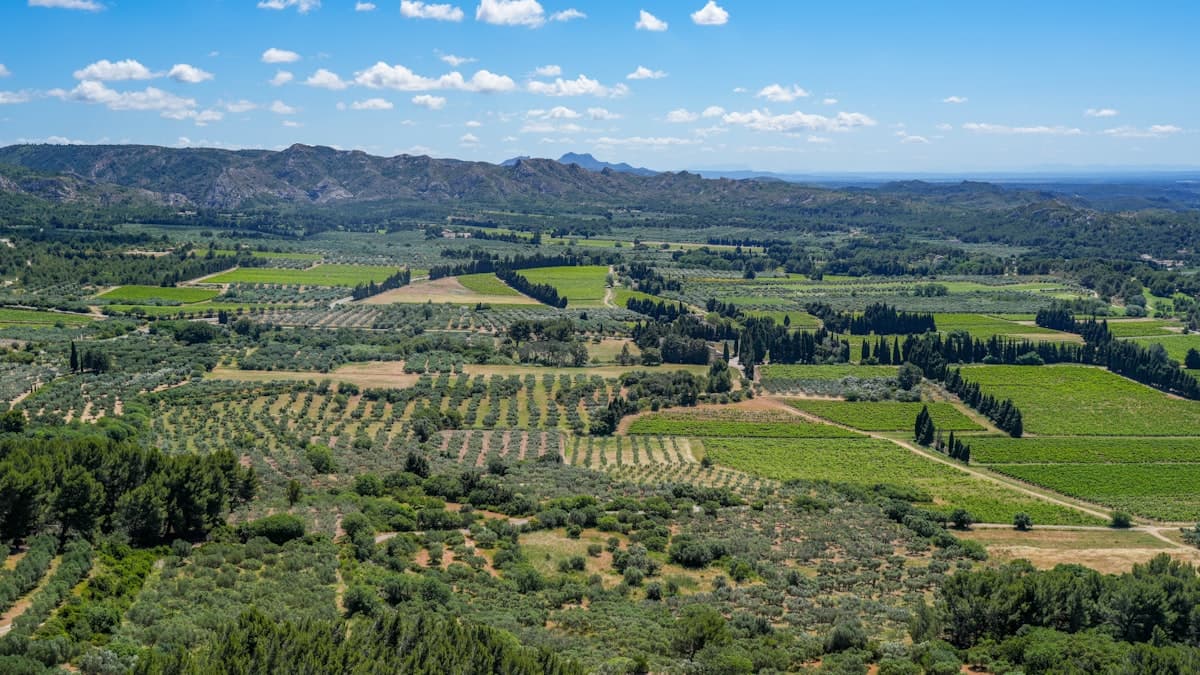
Itinerary: Crossing the Alpilles in 2 Days
Cross the Alpilles from east to west in two days: detailed stages, elevation profiles, water sources, accommodation and downloadable GPX tracks.
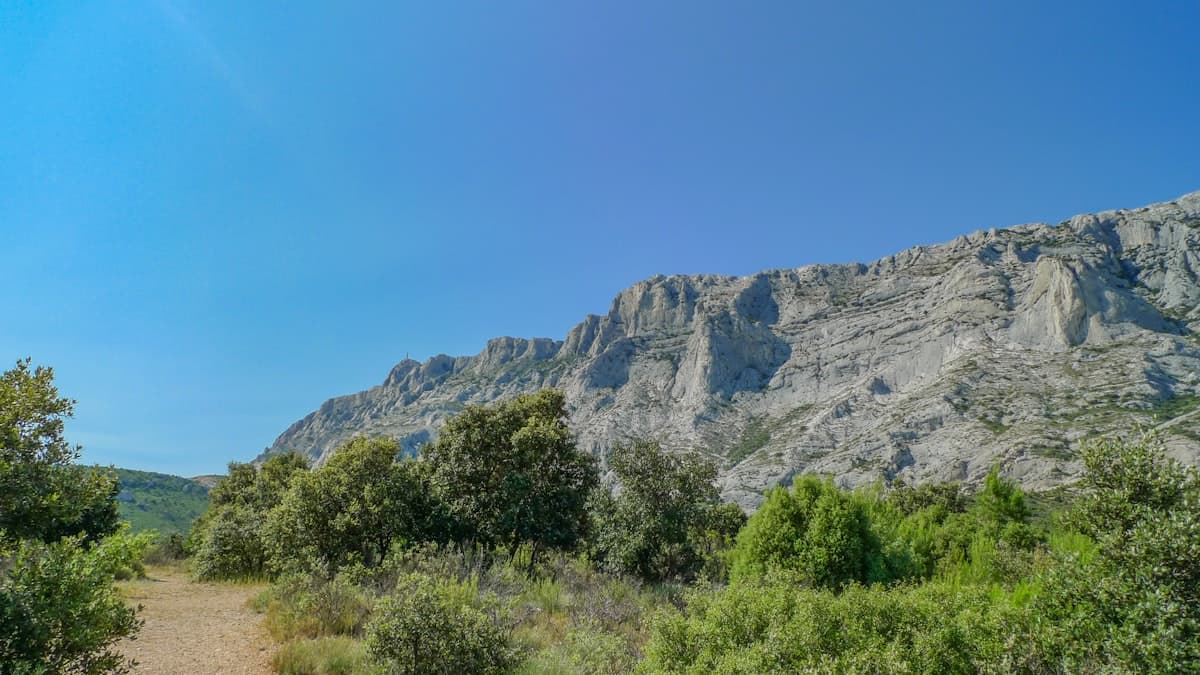
Hiking Mont Sainte-Victoire: 8 Routes for All Levels
Cézanne painted it 87 times. Discover how to hike Mont Sainte-Victoire: from the Croix de Provence summit to the Prieuré, including Pic des Mouches, here are 8 detailed routes for all abilities starting from Beaurecueil, Vauvenargues or Puyloubier.
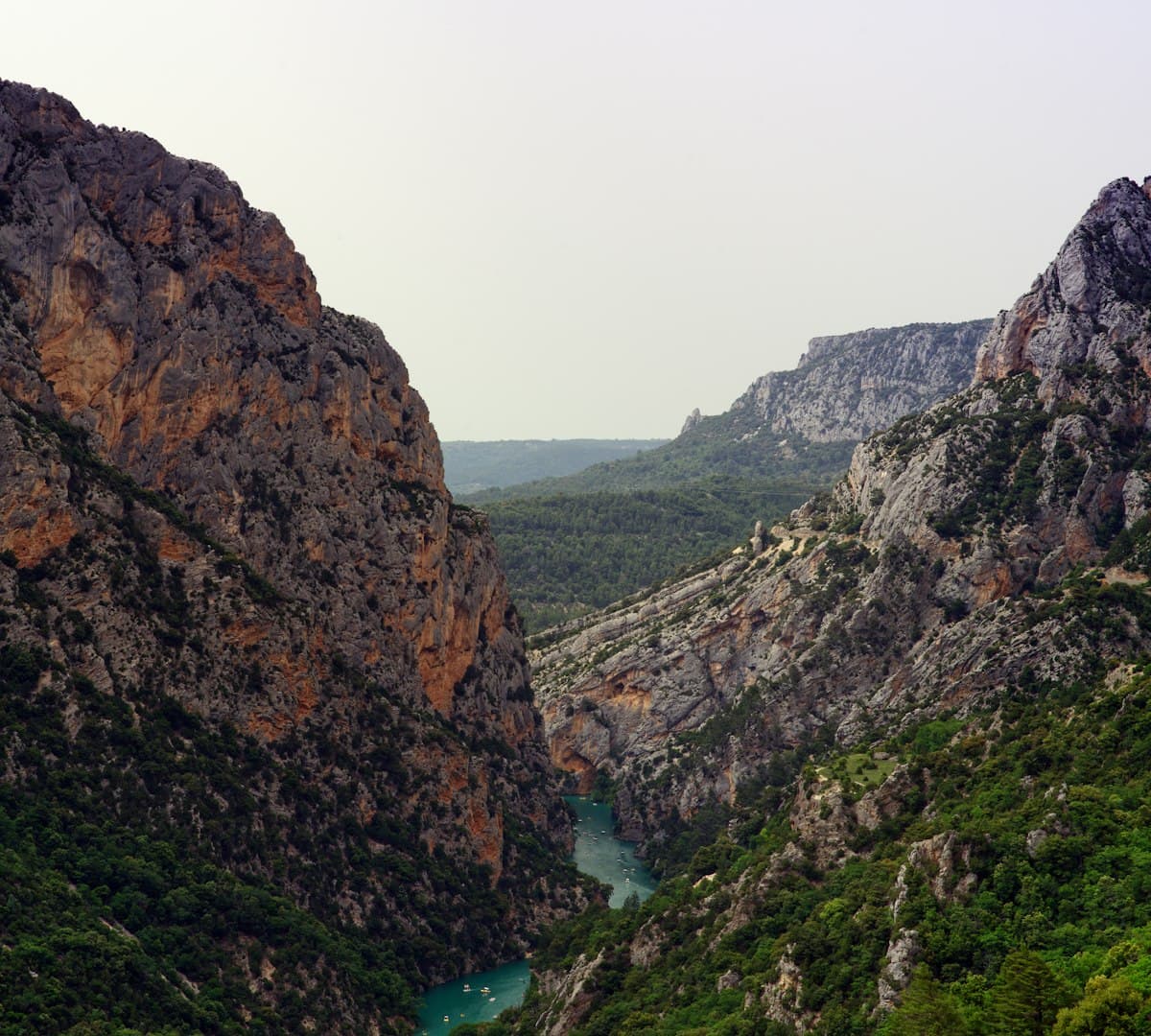
Hiking in the Haut-Var and Northern Verdon Gorges: The Complete Guide
Discover the most beautiful trails in the Haut-Var and the northern rim of the Verdon Gorges: Blanc-Martel, Mourre de Chanier, Cadières de Brandis and more. Trail details, difficulty levels and practical tips.