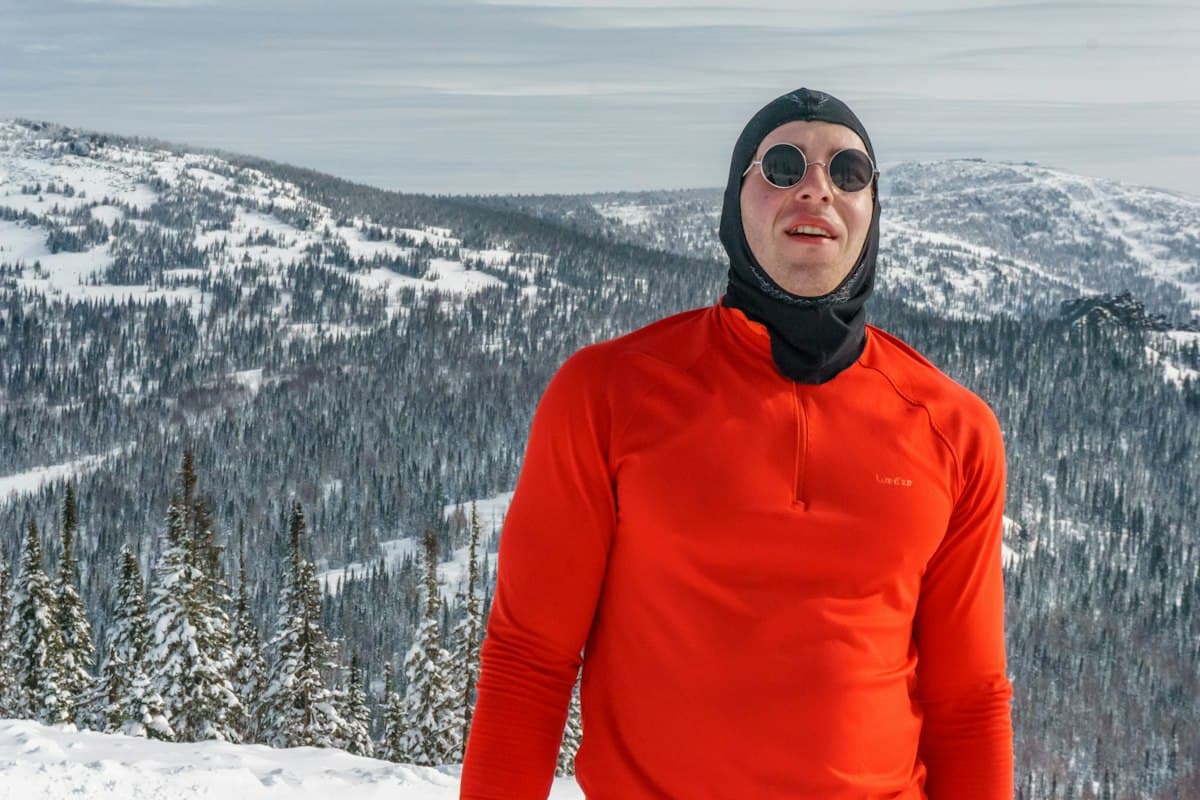
Hiking base layers: merino wool vs synthetic, the real comparison
The base layer is the garment closest to your skin. It determines whether you spend the day comfortable or clammy against the wind at the summit. Yet most hikers give it less thought than their trekking pole choice.
The market divides into two camps: merino wool and synthetic. Every brand sells its material as superior. Reality is more nuanced — the right answer depends on your hiking style, the length of your outings, and your tolerance for the smell.
This comparison cuts through the marketing honestly.
What a base layer does — and what it doesn't
The base layer has exactly one job: transfer perspiration away from your skin toward the outer layers, so you stay dry. It doesn't insulate (that's the mid-layer's job), it doesn't block wind (that's the shell's job). It moves moisture.
This job is critical. Wet skin loses heat 25 times faster than dry skin. When you sweat on the climb and the wind catches you at the ridge, a sweat-soaked cotton base layer can turn a pleasant day into the early stages of hypothermia.
What a base layer doesn't do:
- It doesn't absorb impact on your behalf
- It doesn't replace an insulating layer when temperatures drop below freezing
- It doesn't keep you warm if you stop moving without putting on your softshell
Understanding this narrow scope helps you choose the right product without overpaying for useless features.
A good base layer works as part of a complete layering system. Alone, it doesn't work miracles.
Fabric weight: 150, 200, 260 g/m²
Before choosing between merino and synthetic, define the weight. That's the first filter.
150 g/m² — lightweight base layers. For summer outings or intense effort in cool conditions. They ventilate very well but offer little insulation. In merino, they're often so thin you can read through them.
200 g/m² — the universal mid-range. The vast majority of hikers find their match here. Light enough for active climbs, warm enough for ridge breaks in autumn. This is the quintessential transition-season weight.
260 g/m² — thick base layers. For winter outings or snowshoeing where the pace is slower. They can double as a light mid-layer for bivouac when temperatures don't drop too far.
Beyond the number, fabric construction matters as much: a well-built 200 g layer with mesh panels under the arms ventilates better than a monolithic 150 g.
Merino: the odor argument is real, but it's not the main point
Merino is sold on the odor argument. The claim is legitimate — merino wool fiber contains lanolin and natural structures that inhibit bacterial growth. In practice, a 200 g merino shirt can survive three days of hiking before becoming socially problematic, where a synthetic would be rejected after one day.
But that's not merino's main advantage in hiking.
The real advantage: merino stays tolerable when wet.
When you sweat heavily on the climb and a synthetic base layer becomes saturated, it sticks to your skin and creates an unpleasant cold, clammy feeling. Wet merino stays relatively warm and less clingy — the fiber retains a small amount of moisture within its structure without giving you the sensation of being inside a plastic bag.
This effect is particularly noticeable during effort-to-rest transitions: the ridge break where wind hits, the end of the day when pace drops. Merino is more forgiving of these transitions.
The drawbacks of merino are real, though:
Fragility. Fine merino wool fiber cuts on rock edges, wears quickly at the shoulders (under backpack straps) and can pill in the wash at high temperatures. A well-maintained synthetic lasts two to three times longer.
Price. A quality 200 g merino costs between €60 and €120. An equivalent synthetic costs €30–€60. The gap is significant if you're outfitting a family.
Drying time. Merino dries slowly — two to three times slower than synthetic. On multi-day bivouacs, that's a real constraint if you can't carry a second base layer.
If ridge comfort and odor versatility matter to you, the Sportful Merino long-sleeve is a solid choice around €58 — a well-built 200 g merino, less fragile than pure merinos from Icebreaker or Devold.
For mountain outings with difficult technical profiles, the Dynafit Tour Light Merino offers a performance-oriented construction with strategic ventilation zones.
Synthetic: where logic catches up with romance
Synthetic — polyester, polypropylene, Meryl Skinlife — doesn't have merino's aura. It's a plastic fiber, and that plays less well in shops. But in hiking, synthetic has concrete advantages.
Fast drying. A sweat-soaked synthetic base layer can dry in 30 to 45 minutes if you keep wearing it during effort. An equivalent merino will take two to three hours. For a one-day outing, the difference is minor. For a four-day self-supported bivouac, it's crucial.
Durability. Polyester resists friction, repeated washing at 40°C, and snags on rocks. A decent synthetic can easily last five to seven seasons with normal care. That's hard to match with fine merino.
Price. For €35–€50, you can find functional synthetics that do their job honestly. For €35–€50, you can't buy much in merino.
Wet insulation. Here, synthetic loses to merino. When saturated with moisture, synthetic loses almost all its insulating properties and clings to skin. That's not a problem on hot days where ventilation trumps insulation. It becomes a problem in cold mountain conditions when pace drops.
The basic rule: if your outing lasts less than two days and temperatures stay above freezing, synthetic gets the job done at lower cost. If you're bivouacking over several nights or hiking in cold, wet conditions, merino justifies its price.
For good all-round synthetics, a quality synthetic trail base layer around €40–€50 covers most use cases.
Blends: the compromise that's gaining ground
A third category has established itself in recent years: merino/synthetic blends, typically 50/50 or 60/40.
The idea is appealing on paper: take the best of both materials. In practice, you often get an intermediate result across the board — less odorous than pure synthetic, but not as effective as merino on odor control; more durable than pure merino, but not as robust as pure synthetic; dries faster than merino but slower than synthetic.
Blends do have a genuine advantage for hikers looking for a single versatile product, capable of working from spring to autumn without specializing. They typically cost 20–30% less than pure merino while offering better comfort than pure synthetic on long outings.
If you're buying just one base layer and hike primarily in the mountains between March and November, a 50/50 blend is a sensible choice.
What you should never wear as a base layer
Before concluding, an important point: some materials have absolutely no place as a hiking base layer.
Cotton. This is the hiker's first enemy. Cotton absorbs perspiration and holds it against your skin. Wet, it chills you, doesn't dry, and adds weight. A cotton shirt, once soaked, can stay wet for hours — including on the descent when wind kicks in. The phrase "cotton kills" is a useful pedagogical exaggeration for multi-day mountain outings. For a two-hour forest walk at 20°C, the risk is minimal. For a full day at altitude, it's real.
Cotton stretch (basic Lycra/Spandex type). Same family, same problems. Basic cotton-stretch leggings are to be avoided as a mountain base layer.
Linen. Excellent for hot, dry climates, linen absorbs perspiration poorly during intense effort and dries even slower than cotton. It has no place under a 15 kg pack on a long climb.
The absolute rule: as soon as your outing involves a sustained climb, uncertain weather, or a night outside, the base layer must be in technical fabric — merino, synthetic, or blend. No cotton, no compromise.
Our recommendation
Choosing between merino and synthetic by dogma makes no sense. Choose by use case:
- One-day hikes, spring to autumn: economical, durable synthetic
- Multi-day self-supported, summer: synthetic for fast drying (wash and dry overnight)
- Multi-day in cold or wet conditions: 200 g merino for rest comfort and moisture tolerance
- All-terrain, single product: 50/50 merino/synthetic blend at 200 g
Invest in construction quality as much as material: flat seams, armpit mesh panels, and a fitted cut (without excess fabric that bunches) make as much difference as the merino vs synthetic choice.
To go further on clothing gear, see our complete guide to the 3-layer system and our hiking socks comparison, which plays an equally decisive role in foot comfort.
As an Amazon Associate, we earn from qualifying purchases. Links marked with an external icon are affiliate links.
Related reading
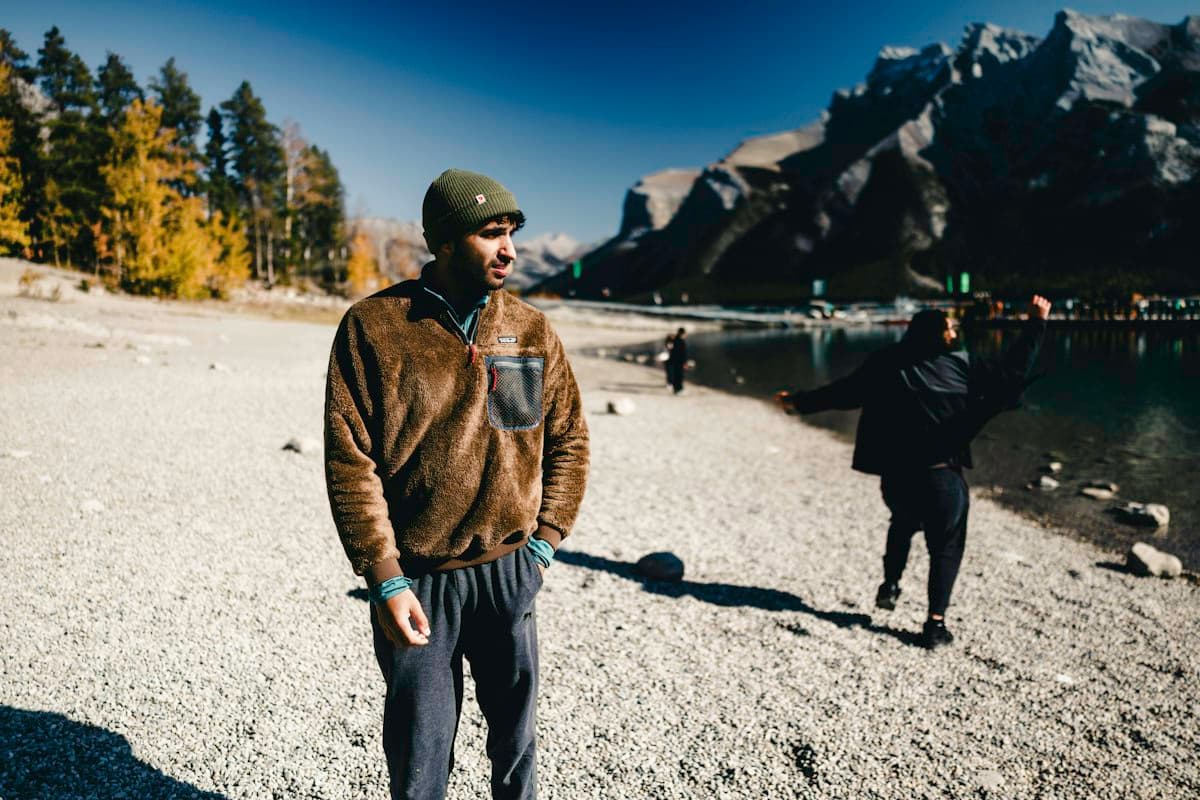
Fleece vs Down Jacket for Hiking: The Real Comparison
Fleece or down jacket for autumn hiking? Warmth, breathability, packability: what actually sets them apart and how to choose.
Hiking in Changing Weather: Managing Temperature Swings in Autumn
Hiking in autumn when temperatures vary by 15 degrees throughout the day: how to dress, manage perspiration, and anticipate weather changes.
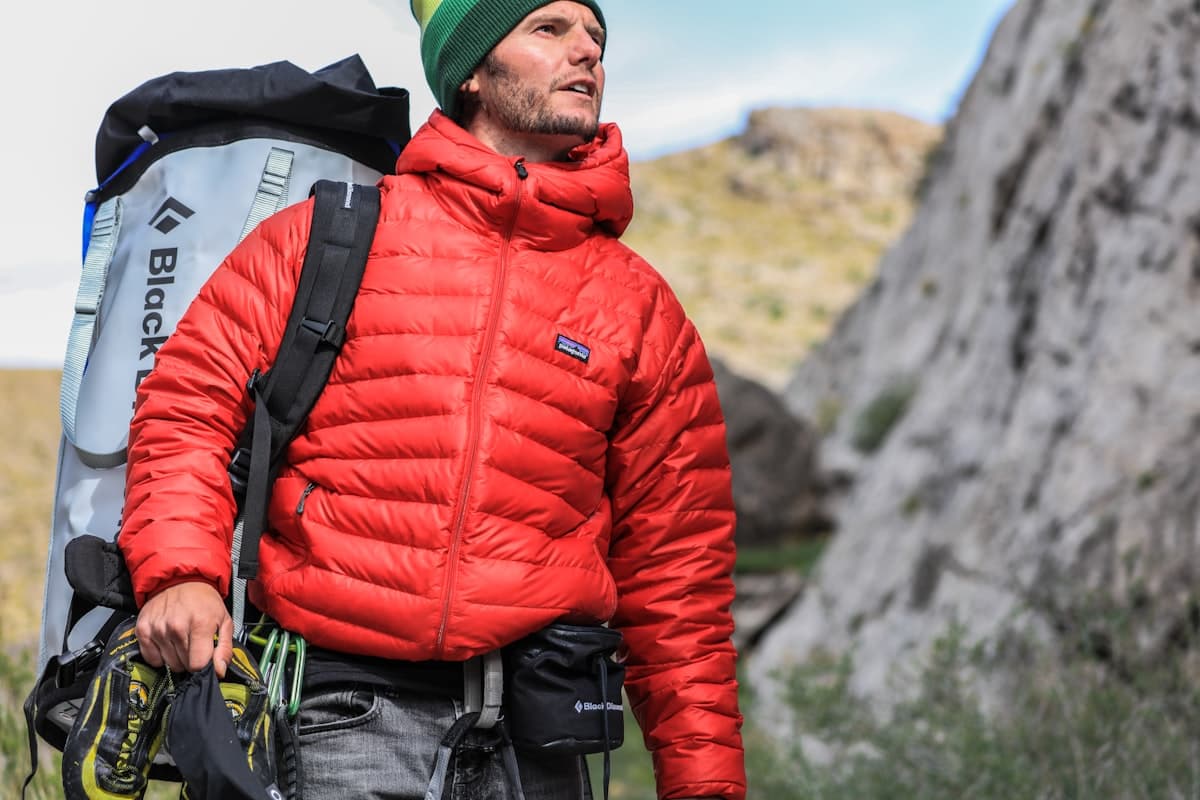
How to Choose Hiking Clothes: The 3-Layer System Explained
Base layer, mid layer, outer shell: master the 3-layer system to hike comfortably in all seasons and weather conditions. Complete guide to choosing the right materials for your hiking style.