Fleece vs Down Jacket for Hiking: The Real Comparison
Fleece or down jacket — the question comes up every autumn. You find them side by side on the shop floor, often at similar prices, and yet they serve completely different purposes. Before choosing one, you need to understand that the real trade-off is not warmth — it's breathability. Fleece moves sweat away when you're moving; a down jacket insulates when you stop. These are two complementary functions, not two price tiers.
Fleece vs Down Jacket: Two Different Functions
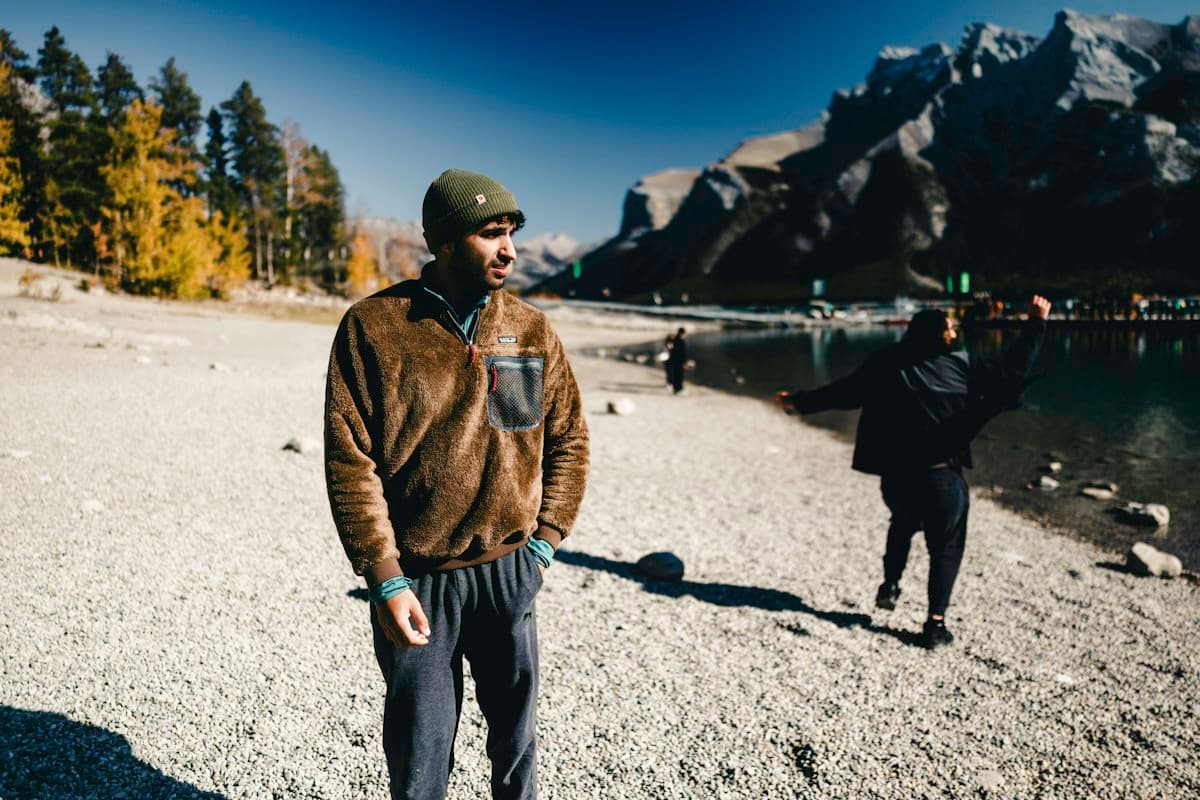
A fleece is a knitted synthetic fabric, usually recycled polyester. Its open structure lets air circulate: it breathes well, dries quickly, and continues to provide a little insulation even when wet. It's the ideal mid-layer for sustained effort — think a long autumn ascent where body heat builds up fast.
A down jacket is primarily an insulator. Whether filled with down or synthetic fibres, it traps warm air close to the body. It's an excellent rest-stop layer: you reach the summit, you put it on before cooling down, and you pack it away when you set off again. It barely breathes, and if it's filled with down, it loses most of its effectiveness when wet.
In practice: if you're wearing a single mid-layer while walking, go for a lightweight fleece. If you want something to pull on at stops and camp, a compressible down jacket is more appropriate.
Fleece Weight: What 100, 200 and 300 Actually Mean
The numbers 100, 200 and 300 refer roughly to the fabric weight per square metre — and therefore its thickness and warmth. This is not an absolute standard (each brand has its own scale), but it's a useful guide.
- 100-weight fleece (lightweight): as thick as a heavy t-shirt, worn under a jacket or as a base layer in mild autumn conditions. Very breathable and light. Ideal for high-output hiking where heat builds quickly.
- 200-weight fleece (midweight): the most versatile option. Warm enough for short stops, breathable enough for moderate effort. The classic choice for the Alps in October or the Pyrenees in November.
- 300-weight fleece (heavyweight): reserved for intense cold or static activities. Heavy and poorly breathable during effort, it's better suited to camp use or ski descents.
For autumn hiking in most conditions, a 200-weight fleece covers the vast majority of situations. A 100-weight works well if you plan to layer a softshell or waterproof shell on top.
Down vs Synthetic Fill: The Deciding Factor Is Moisture
For down jackets, the filling choice is central.
Down: Maximum Efficiency in Dry Conditions
Down — goose or duck — offers the best warmth-to-weight ratio available. An 800-fill-power down jacket is exceptionally light and compressible. But once wet — whether from sweat, mist or rain — it collapses and loses 60–80% of its insulating value. Drying is slow. For multi-day hiking with nights in tents or damp refuges, untreated down is a liability.
Exception: some DWR-treated downs (Responsible Down Standard + DWR coating) resist light moisture, but they are not waterproof.
Synthetic: Reliable in Wet Conditions
Synthetic insulators (PrimaLoft, Thermoball, Polarguard) mimic the properties of down with one major advantage: they insulate even when wet, dry quickly, and handle repeated compression better. They're also less expensive and raise no ethical concerns around feathers.
Their only downside is weight: for equivalent warmth, a synthetic insulated jacket weighs 30–50 g more than a down equivalent.
Recommendation: for hiking in France, with its often damp autumns and sometimes poorly heated refuges, synthetic fill is the more reliable choice. Save down for expeditions in cold, dry conditions — high-altitude mountains in winter, for instance.
Packability and Pack Space
Packability is often underestimated when buying.
A 200-weight fleece rolls into a ball the size of a small jumper. It's not highly compressible, but it's light.
An 800-fill down jacket stuffs into its own chest pocket — roughly the volume of a small water bottle. That's its standout advantage.
A synthetic down jacket compresses less: figure on the volume of a football. Perfectly manageable for a multi-day trip, but worth factoring in if you're counting litres.
Tip: if you're heading out for several days, think about what you'll wear on the move and what will stay in the pack. A highly packable jacket can justify downsizing to a smaller, lighter pack overall.
What Wears Out a Fleece Prematurely
A well-maintained fleece lasts 10–15 years. Here's what damages it:
- Pilling: repeated friction against backpack straps creates fabric balls on the shoulders and sides. Higher-end fleeces use short-fibre fabrics that resist pilling better. Otherwise, avoid non-padded shoulder straps on long carries.
- Washing at high temperature: 30 °C maximum, no fabric softener (it clogs fibres and reduces breathability). A mesh laundry bag also protects against snags.
- Tumble drying: heat can melt synthetic fibres. Air dry or use a low-heat setting.
- Poor-quality zips: they wear out before the fabric. On budget fleeces, this is often the first failure point.
Follow these simple rules and a mid-range fleece will easily outlast 5+ years of heavy use.
Recommended Models by Budget
An honest selection by price range, without marketing noise.
Budget (under €30)
Regatta Thompson Half Zip: a standard 200-weight fleece in recycled fibres with a classic cut. Nothing exceptional, but it does the job for occasional hiking. Outstanding value for getting started.
Regatta Montes Full Zip: the zipped version of the same family, slightly lighter. Useful for on-the-go temperature regulation during climbs.
Mid-range (€30–€80)
Quechua MH500 Full Zip: Decathlon's benchmark hiking fleece. Recycled fibres, antimicrobial treatment, reinforced shoulders. A solid choice for regular hikers. Its men's and women's versions are stocked in most Decathlon stores.
Columbia Fast Trek III: slightly more expensive but more pilling-resistant and better-finished at the seams. Worth it if you hike frequently with a heavy pack.
High-end (€80+)
Patagonia R1 Fleece: the benchmark for technical fleece. Polartec Power Grid fabric, highly breathable, excellent warmth-to-weight. It lasts 10–15 years with normal care.
Arc'teryx Kyanite LT: trimmer fit, impeccable construction, DWR treatment. For those who want a fleece that doubles as a light jacket on a warm autumn day.
For down jackets at the high end, look at Montbell (Ultra Light Down Jacket), Rab (Microlight Alpine) or Patagonia (Down Sweater). These brands make no compromises on down quality or stitching, and you feel the difference immediately.
Conclusion: Two Garments for Two Moments
The classic mistake is trying to find a single garment that does everything. For autumn hiking, the winning combination is usually: 200-weight fleece while moving + synthetic down jacket at rest. These two pieces together weigh under 500 g and cover 90% of situations between September and November.
If you can only take one, choose based on the activity: a long day hike with significant elevation gain → fleece; an itinerary with bivouacs or nights in refuges → synthetic down jacket.
To find autumn hiking routes matched to your level, explore our selection on OpenRando — filter by difficulty and area to plan your next outing.
As an Amazon Associate, we earn from qualifying purchases. Links marked with an external icon are affiliate links.
Related reading
Hiking in Changing Weather: Managing Temperature Swings in Autumn
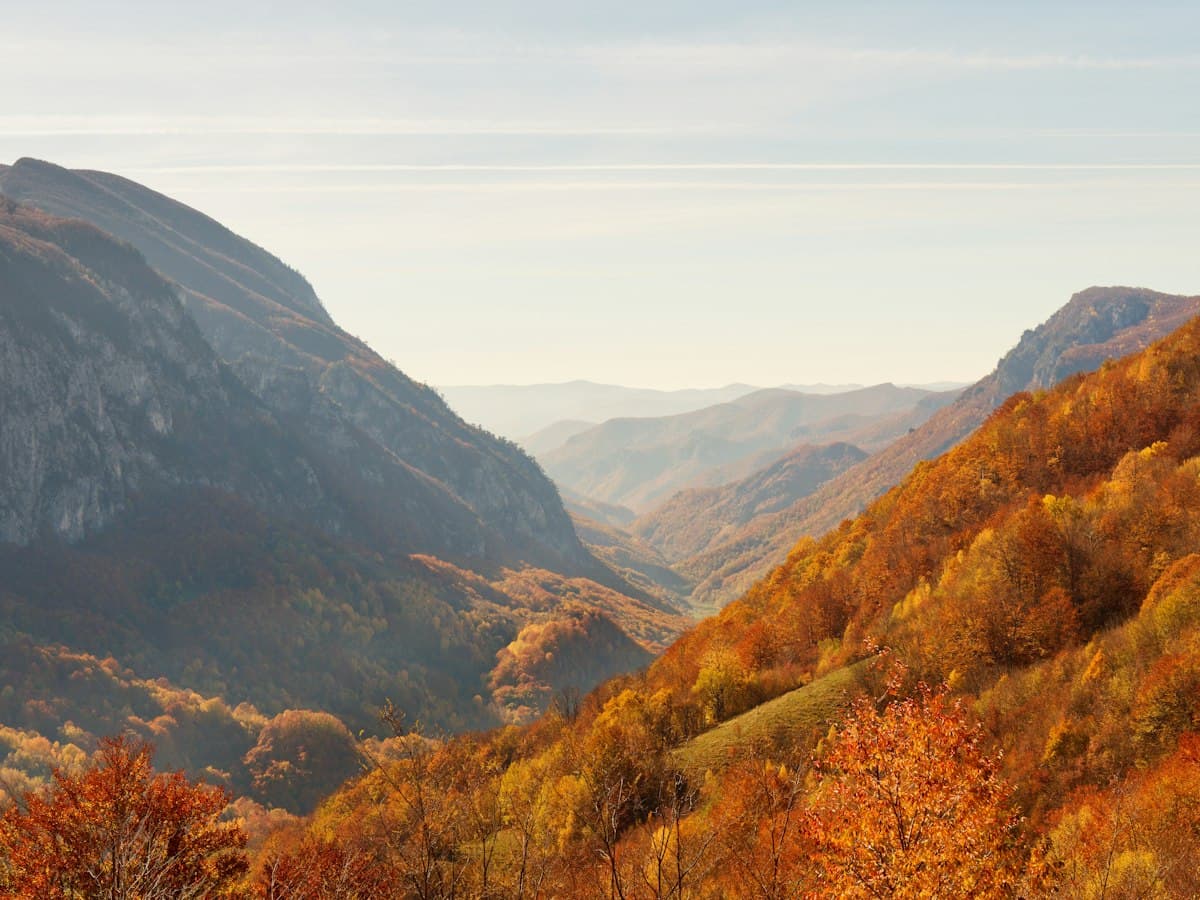
Hiking in autumn when temperatures vary by 15 degrees throughout the day: how to dress, manage perspiration, and anticipate weather changes.
How to Choose Hiking Clothes: The 3-Layer System Explained
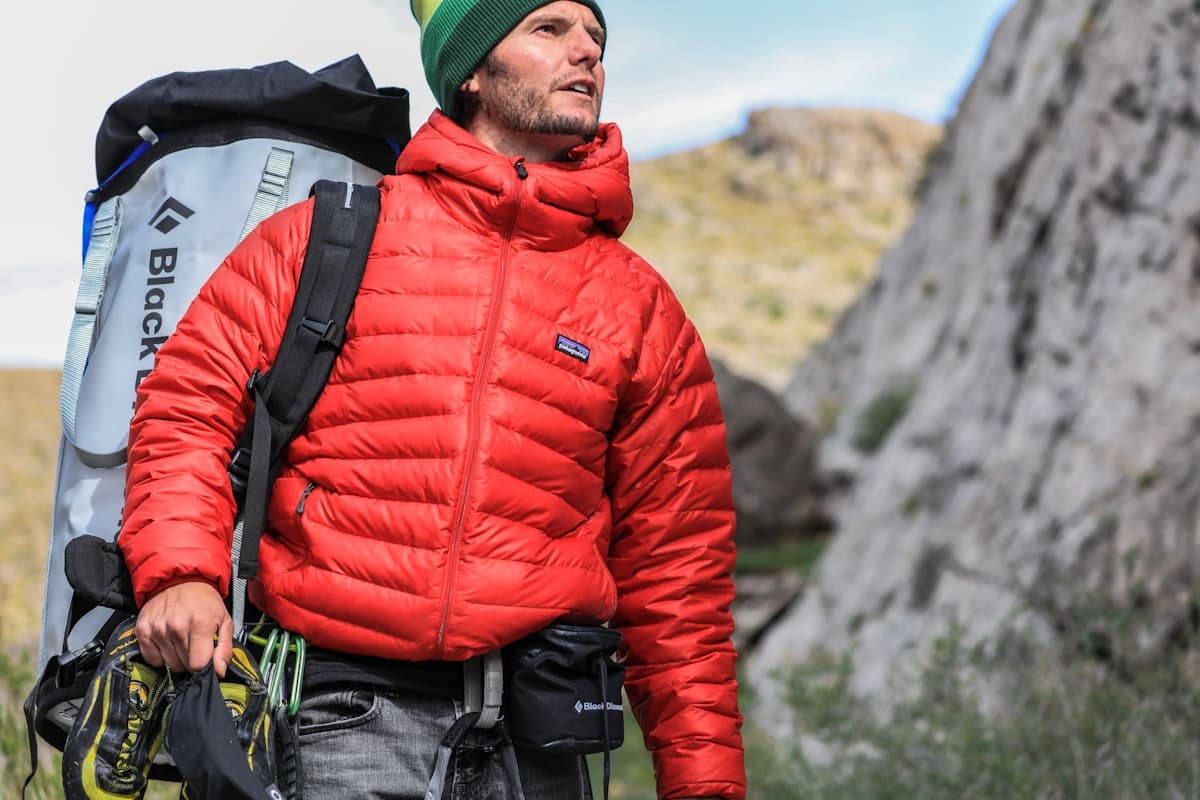
Base layer, mid layer, outer shell: master the 3-layer system to hike comfortably in all seasons and weather conditions. Complete guide to choosing the right materials for your hiking style.
Hiking Socks Comparison: Merino Wool, Synthetic or Blend?
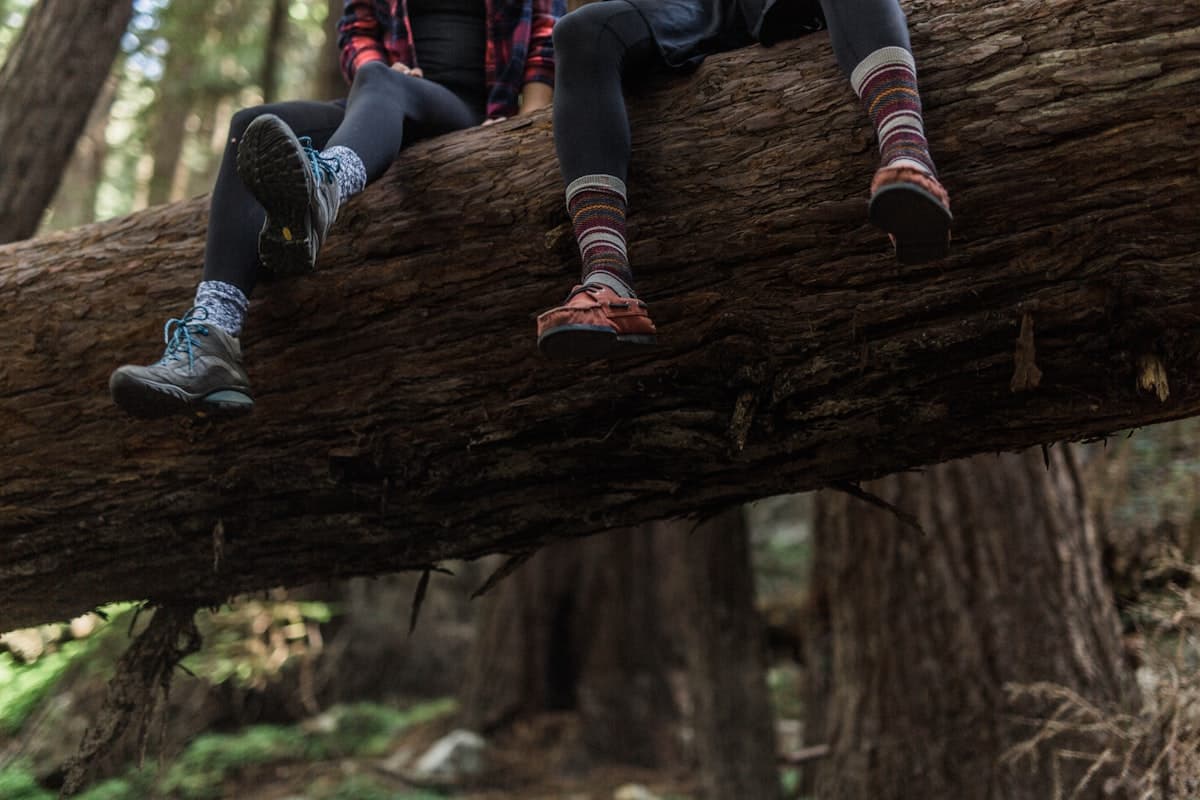
How to choose the right hiking socks: merino or synthetic, height, cushioning and seams. Comparison of six tested models to avoid blisters.