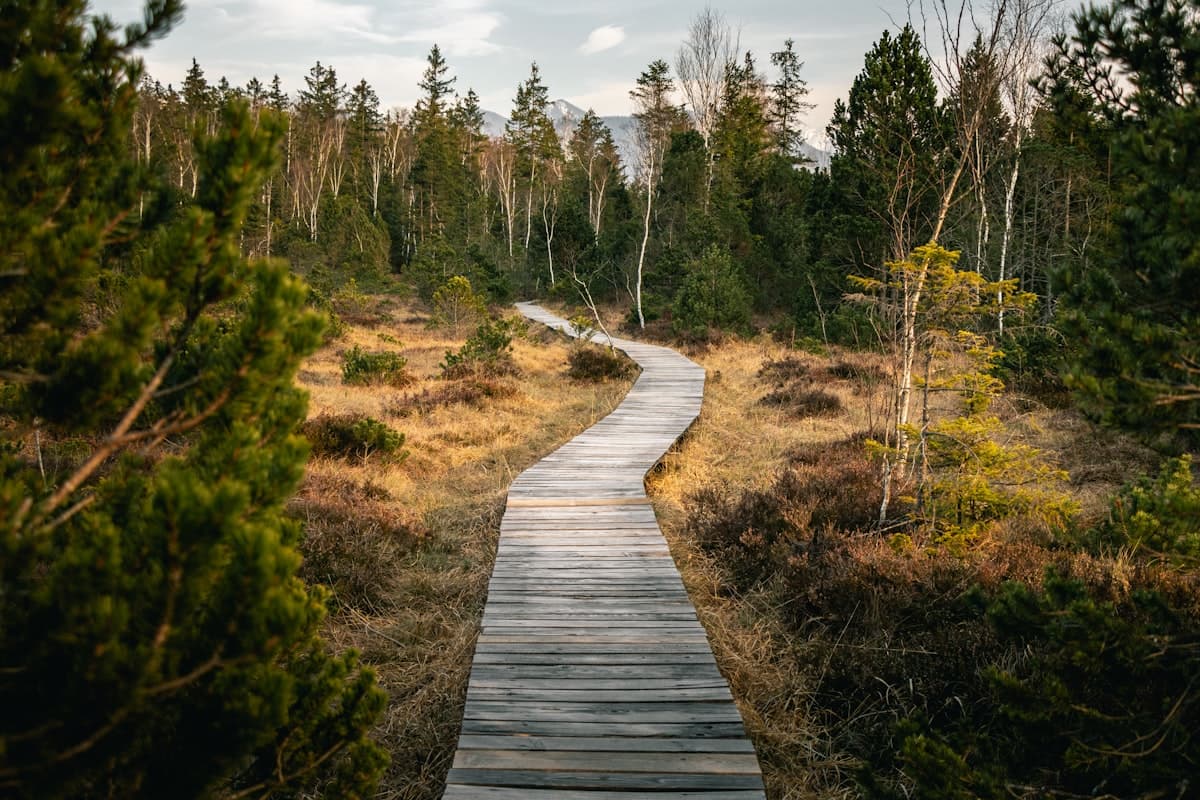
Hiking and Meditation: Walking Mindfully on the Trails
There is a form of meditation that no yoga studio teaches, yet millions of walkers practice it without knowing it. It requires no cushion, no app, no absolute silence. It is practiced in motion, on a forest path or a mountain trail, with nothing but your two feet and your attention. It is mindful hiking — and it may be one of the most powerful and accessible practices for finding calm, clarity, and groundedness.
In this article, we invite you to move beyond hiking as mere physical activity and explore it as a complete contemplative practice: a moving meditation, a school of presence, a return to essentials.
What Is Walking Mindfully?
Mindfulness is the ability to bring attention to the present moment, intentionally and without judgment. Rooted in Buddhist tradition and popularized in the West by Dr. Jon Kabat-Zinn in the 1980s, it is now widely recognized by medicine for its effects on stress, anxiety, chronic pain, and mood disorders.
Mindful walking — or walking meditation — is one of its oldest forms. It consists of walking while deliberately paying attention to every aspect of the experience: the contact of the foot on the ground, the movement of the arms, the rhythm of breathing, the sensations in the body, sounds, scents, colors.
Where seated meditation works on the relationship to silence and stillness, mindful hiking works on the relationship to movement, effort, and nature — making it a particularly vivid practice, well-suited to those who struggle to stay still.
The Benefits of a Meditative Hike
Walking consciously in nature combines the benefits of three practices: physical activity, meditation, and nature immersion. The whole is greater than the sum of its parts.
Less Rumination, More Presence
Rumination — looping thoughts about the past or future — is one of the mechanisms most strongly linked to anxiety and depression. Walking mindfully cuts this mechanism at the root: by bringing attention back to immediate experience, you interrupt the internal negative monologue. A 2015 Stanford study showed that a simple 90-minute walk in nature significantly reduced activity in the subgenual prefrontal cortex — the brain region associated with rumination.
For a deeper look at the neurobiological mechanisms, our article on the mental health benefits of hiking covers these effects in detail.
Grounding in the Body and the Real
We spend most of our days in our heads: screens, abstractions, mental conversations. Mindful hiking brings us back into the body — the rhythm of footsteps, the warmth of muscles, thirst, the wind on the skin. This physical grounding is a direct antidote to the dissociation and mental hyperconnection of modern life.
Deep Emotional Regulation
Rhythmic walking — especially on trails with gradual inclines — activates the parasympathetic nervous system, which governs recovery and serenity. Combined with the slow, deep breathing that hiking naturally imposes, the effect is comparable to a cardiac coherence session. Emotions clear, tensions release.
A Window of Creativity
Stanford researchers showed that walking increases creativity by 60% compared to sitting still. In mindful mode, this effect is compounded: a mind freed from rumination finds solutions, ideas, and intuitions more easily. Many hikers report returning from an outing with a mental clarity they didn't have at the start.
Five Techniques to Practice on the Trail
No prior meditation experience is needed to begin. These exercises are accessible from your very first outing.
1. Grounding Through the Feet
This is the foundational technique of mindful walking. With each step, bring your attention to the contact of the foot with the ground: the heel touching, the roll of the foot, the push of the toes. Feel the texture of the terrain — earth, stone, root, grass. Notice how your body constantly adapts to the irregularity of the path.
It is a very simple form of attention, but it instantly anchors you in the present. When thoughts wander (and they always will), gently return to the feet.
2. Breathing as a Metronome
Match your breath to your steps. Inhale over 3 or 4 paces, exhale over 3 or 4 paces. This breath-movement coupling creates a state of soft concentration close to the meditative state. On climbs, simply adapt the ratio to your effort. Trekking poles can help further rhythm your movement and stabilize breathing on uneven terrain.
3. Awakening the Five Senses
Devote 5 minutes to each sense, one at a time:
- Sight: observe colors, shapes, the play of light through branches
- Hearing: identify the different sound layers — wind, birds, water, your own footsteps
- Smell: pine, humus, wildflowers, wet earth — every trail has a unique olfactory signature
- Touch: feel the air on your skin, the warmth of sunlight, the coolness of shade
- Taste: a sip of cold water, a wild berry, the moisture-laden air
This exercise shifts attention from the internal to the external, opening to the sensory richness of the natural environment — a richness we often move through without perceiving.
4. The Contemplative Pause
Choose a place that attracts you — a boulder, a clearing, a viewpoint — and stop. Five to ten minutes, doing nothing but observing and feeling. No photos, no messages. Just being there, in that precise place, at that precise moment.
These pauses are often the most memorable moments of a hike. Keep a small notebook in your pack to jot down what you feel and observe — it reinforces the grounding and creates a beautiful record over time.
5. Returning to Intention
Before setting out, ask yourself a simple question: What am I bringing with me on this hike, and what do I want to leave behind? This intention is not a performance goal — it is simply a direction, an opening. On the trail, return to it from time to time. At the end, notice what has shifted.
Choosing the Right Itinerary for a Meditative Hike
Not all trails are equally suited to mindfulness. Here is what makes good meditative terrain.
Favor Dense, Quiet Nature
Forests, wetlands, heathlands, and isolated plateaus are particularly conducive. The rich natural environment — sounds, scents, textures — feeds the involuntary attention described by Kaplan's Restoration Theory. Trails in the Calanques, the Sainte-Baume massif, or the Luberon offer this kind of dense, preserved nature in Southern France.
Avoid Overly Technical Terrain
A trail that demands your full attention just to stay upright leaves no room for broader awareness. For a meditative hike, choose moderately varied terrain — neither too flat (boredom can undermine focus) nor too rugged (danger monopolizes attention). Elevation gains of 300 to 600 m are often a good balance.
Go Early Morning or Late Afternoon
Golden morning and evening light, cooler temperatures, more active wildlife, quieter trails: these conditions naturally amplify the contemplative experience. A weekday outing on a usually calm trail can feel radically different from a crowded weekend.
Go Alone or in a Small Silent Group
Mindful hiking lends itself well to chosen solitude — an hour or half-day alone, with no planned conversation. If you go as a group, make a collective agreement: 20-minute silences between sections of trail. Walking side by side in silence often creates a deeper communion than conversation.
Preparing Your Outing: Lightness and Digital Sobriety
Minimal Equipment
For a meditative hike, less is more. A good light backpack, a water bottle, comfortable shoes that let you feel the ground beneath your feet — that's often enough for a half-day.
Put the Phone Away
This is the hardest rule to follow — and the most transformative. The photo-notification reflex immediately breaks the meditative state. If you need GPS for navigation, load a GPX track and disable everything else. Our guide to using GPX files can help you set up navigation without continuous screen dependency.
Drop the Kilometer Goal
Mindfulness is incompatible with performance. For a meditative outing, forget distances and fitness app badges. Start with a rough duration in mind and let the path do the rest. If you stop often, walk slowly, and cover half the distance you planned — that is a success.
Building a Lasting Practice
Like all forms of meditation, mindful hiking deepens with regularity. Some landmarks for building a sustainable practice.
Start with 30 Minutes
No need to plan a full day from the start. A 30-minute mindful walk, even in a local forest, twice a week, produces measurable effects within a few weeks: less anxiety, better sleep, improved emotional regulation.
Keep a Trail Journal
After each hike, write a few lines: how you felt before, what struck you during the walk, how you feel at the end. This simple exercise reinforces awareness of inner change and feeds the motivation to return.
Alternate Between Modes
Don't try to turn every hike into a meditation session — that would be counterproductive. Some outings are for performance, friendship, discovery. Others, chosen ones, are for mindfulness. Alternation is the key to a balanced practice.
Draw on Good Resources
There is excellent reading on mindfulness in nature that deepens techniques and offers structured exercises — notably the works of Jon Kabat-Zinn, or the Japanese practices of Shinrin-yoku (forest bathing). These approaches naturally complement what you will experience on the trail.
A Practice for Everyone, Everywhere
One of the great strengths of mindful hiking is its accessibility. You don't need to travel far, or tackle a high mountain. A wooded path 20 minutes from home, an hour in the morning before work, a park with sufficiently old trees — mindfulness has no entry threshold.
For beginners, our guide to preparing your first hike in Provence will help you choose an appropriate itinerary. For those seeking more isolated trails, our Explore page offers a curated selection of routes filtered by area, difficulty, and terrain type.
Mindful hiking doesn't transform the trails — it transforms the hiker. And it is often on an ordinary path, on a morning without particular brilliance, that something essential settles in.
All it takes is to slow down. To listen. To be there.
As an Amazon Associate, we earn from qualifying purchases. Links marked with an external icon are affiliate links.
Related reading
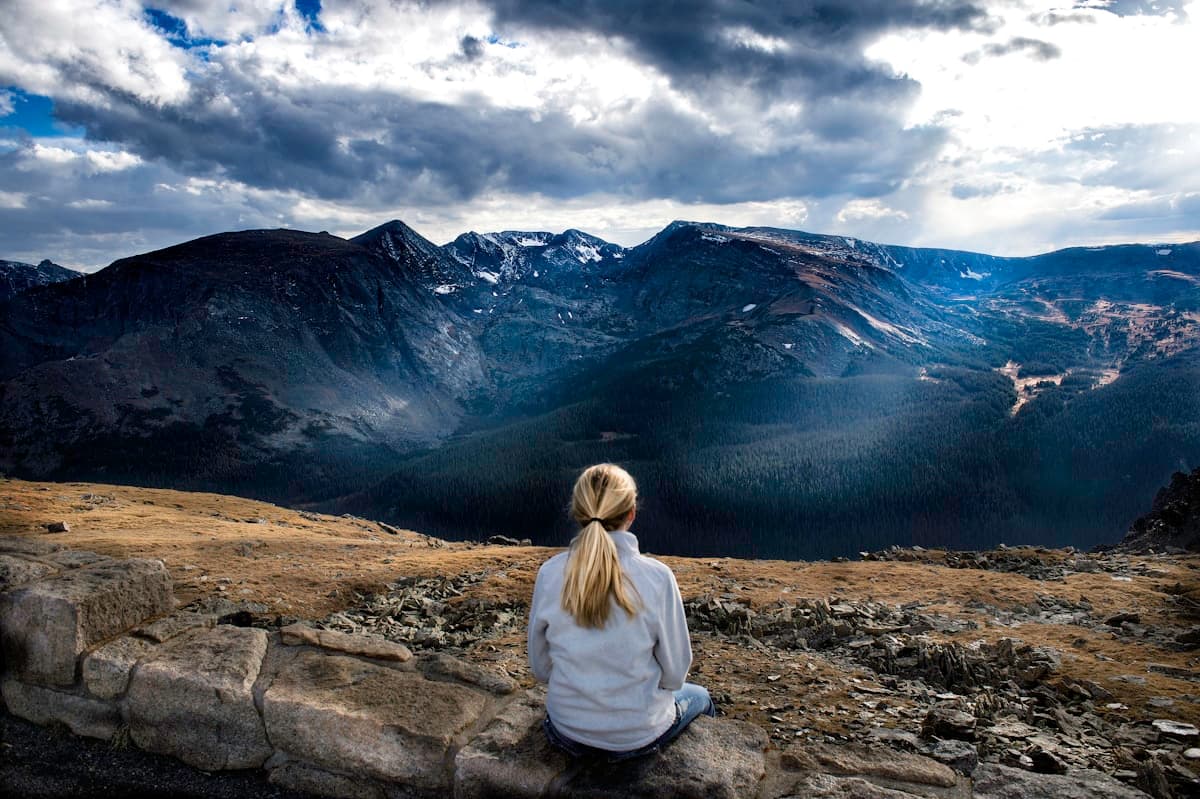
The Mental Health Benefits of Hiking: What the Science Says
Stress, anxiety, rumination, sleep, self-esteem… Discover how hiking concretely affects the brain and mental well-being, and how to get the most out of every outing.
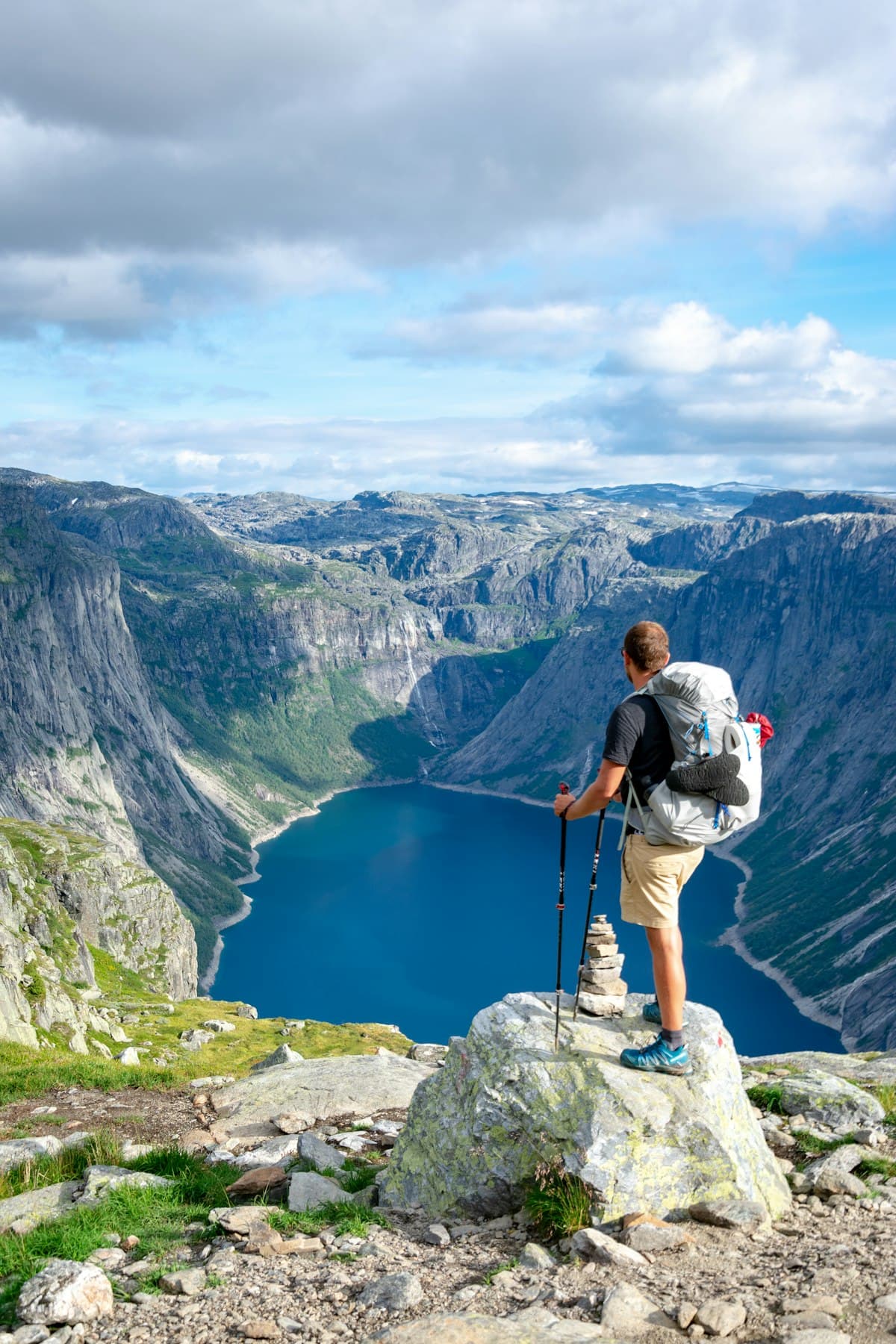
Geology While Hiking: Learning to Read the Landscape
Limestone, granite, ochre, glacial valleys: learn to read the geology beneath your feet. A guide to understanding how the landscapes you cross were formed and enriching every hike.
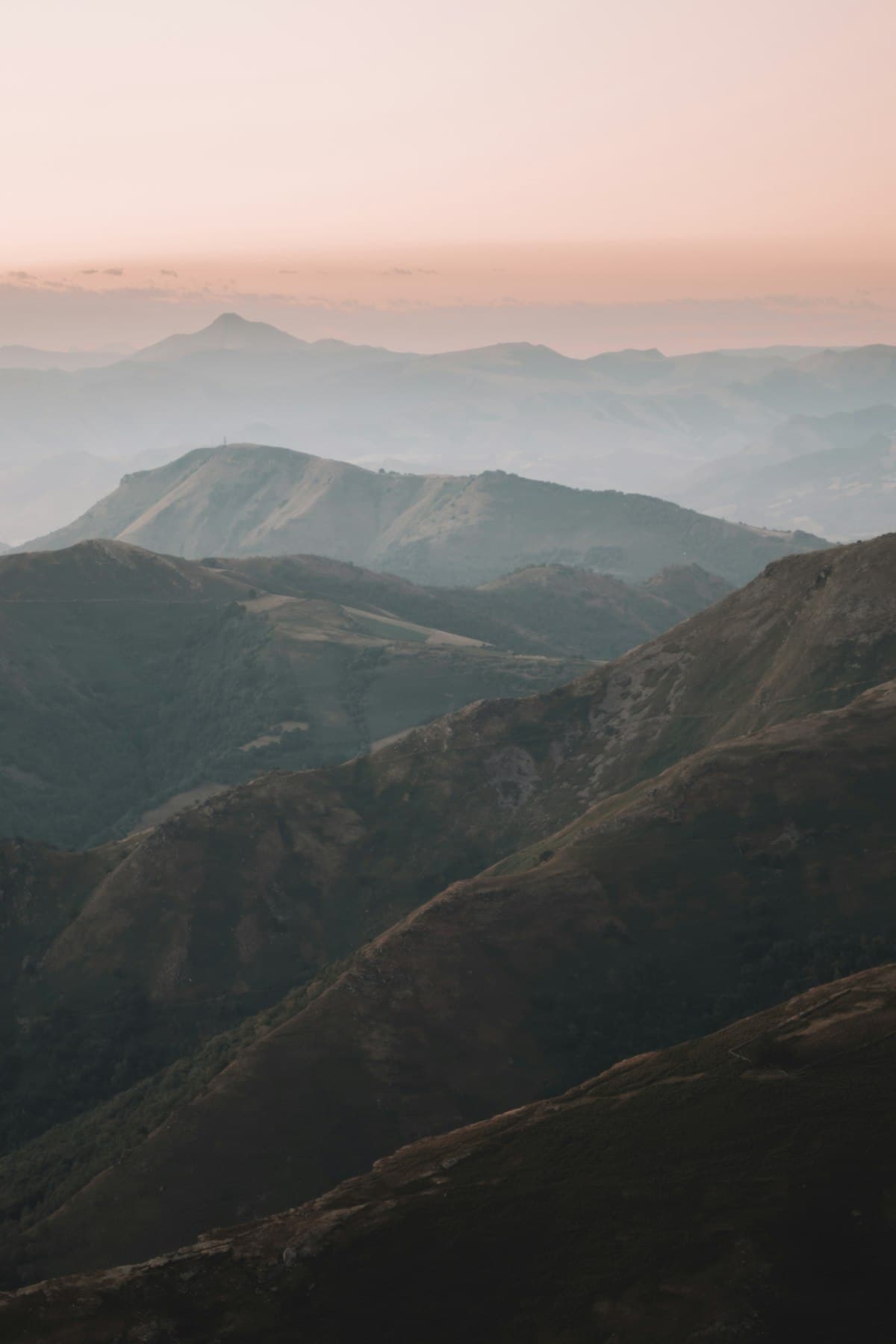
The Best Hikes in the French Basque Country
Pas de Roland, Baigura summit, Biarritz coastal trails, Mont Ursuia… Our selection of the 8 best hikes in the French Basque Country, with detailed routes, difficulty levels, and practical tips for exploring this exceptional territory between sea and mountains.