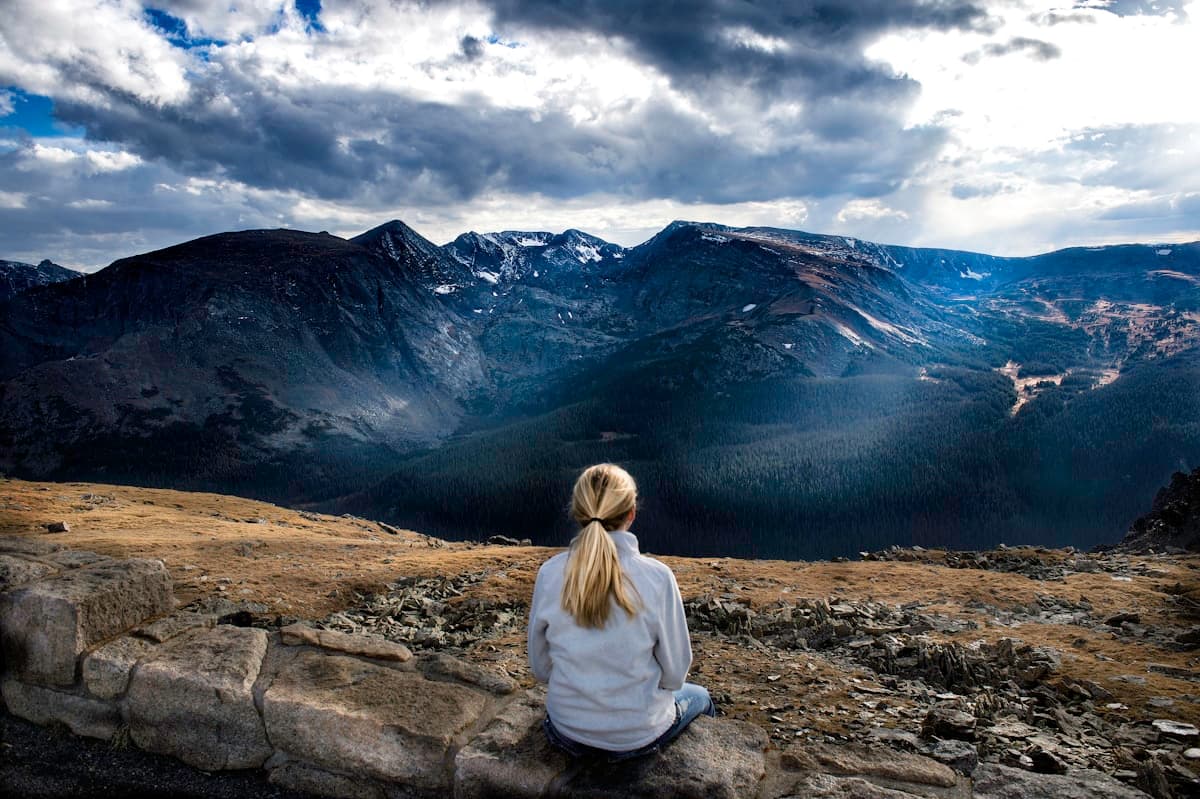
The Mental Health Benefits of Hiking: What the Science Says
You're on a trail, breathing hard after a climb, and suddenly, everything lightens up. The thoughts that had been looping for days begin to fade, your shoulders relax, your mind finds a form of silence. It's not just an impression: hiking affects the brain deeply, and science has been documenting its effects for more than twenty years.
In a world where anxiety, burnout, and mental fatigue affect a growing share of the population, walking in nature is no longer just a hobby — it has become a genuine public health tool. Here's what research tells us about the mental health benefits of hiking, and how to get the most out of each outing.
Why Does Hiking Affect the Mind?
Unlike a gym workout, hiking combines three ingredients that together form an extremely effective cocktail for the brain: gentle, sustained physical activity, immersion in nature, and presence in the moment.
Each of these elements works on its own, but it's their synergy that makes walking in nature so special. A 2015 study by Stanford researchers showed that a simple 90-minute walk in a natural setting significantly reduced activity in the subgenual prefrontal cortex, a brain region associated with rumination — those looping negative thoughts. Same duration, same intensity, but in a city: no effect.
Nature isn't just a backdrop. It's an active ingredient.
1. Hiking Reduces Stress and Anxiety
Chronic stress is one of the most widespread afflictions of our time. It wears you down and eventually turns into anxiety or sleep disorders. Hiking acts on this mechanism at several levels.
Lower Cortisol, the Stress Hormone
Several studies have measured salivary cortisol levels before and after a hike. The finding is clear: after 40 minutes of walking in a forest, levels drop on average by 15 to 20%. For comparison, an indoor exercise session produces a drop roughly half as large.
The phenomenon is so well documented that the Japanese have turned it into a recognized therapeutic practice: Shinrin-yoku, or "forest bathing." Japanese doctors literally prescribe forest walks to their anxious patients.
Activation of the Parasympathetic System
When you walk at a steady pace, away from urban noise and stimuli, the parasympathetic nervous system — the one responsible for rest and recovery — takes over. Breathing slows, heart rate stabilizes, blood pressure drops. It's exactly the state sought by meditation techniques, except here it happens naturally.
To fully enjoy this effect, choose quiet trails. Areas like the Luberon on weekdays, the surroundings of Uzès, or mid-mountain refuges offer exactly this kind of environment.
2. Walking in Nature Improves Mood and Fights Depression
The antidepressant effect of hiking is one of the most studied. A meta-analysis published in Environmental Science & Technology concluded that as little as five minutes of activity in nature is enough to significantly improve mood and self-esteem.
A Release of Endorphins and Serotonin
Like any prolonged physical activity, hiking triggers the release of endorphins, the famous "happiness hormones." But it also stimulates the production of serotonin, a neurotransmitter essential for mood regulation, whose deficit is linked to depression.
Natural light also plays a major role: it regulates the production of melatonin (the sleep hormone) and increases that of serotonin. In winter especially, spending an hour or two outdoors can do more good than one would imagine in combating the seasonal blues.
Proven Effect on People with Depression
A University of Essex study compared three groups of people suffering from mild to moderate depression: the first received standard treatment, the second walked indoors (treadmill), the third walked outdoors in a park. After 12 weeks, all three groups felt better — but the outdoor group showed the most significant progress, with 71% of participants reporting marked improvement, compared to 45% for the treadmill group.
3. Hiking Boosts Cognitive Function
The benefits don't stop at mood. Walking in nature also improves concentration, memory, and creativity.
Attention Restoration Theory
Researchers Rachel and Stephen Kaplan developed what has become a major theory in environmental psychology in the 1980s: Attention Restoration Theory. It posits that our directed attention (the kind we use at work, in front of screens, in transit) is a limited resource that depletes. Nature, on the other hand, engages a softer, involuntary form of attention — the rustle of a leaf, the movement of a bird, the shape of a hill — that allows directed attention to recover.
After a hike, we come back not only relaxed, but also sharper mentally. Studies by Marc Berman at the University of Michigan found that participants scored 20% better on working memory tests after a walk in nature, compared to no improvement after an urban walk.
A Boost to Creativity
A Stanford study led by Marily Oppezzo revealed that walking increases creativity by 60% compared to sitting still. That's why so many writers, artists, and entrepreneurs build walking into their work routine. Extending that with a hike in nature multiplies the effect.
4. Hiking Improves Sleep
Poor sleep, insomnia, nighttime awakenings: much of modern mental distress is rooted in a badly-slept night. And hiking is one of the best natural sleep regulators there is.
Syncing the Biological Clock
Exposure to natural light during the day — particularly in the morning — resets the biological clock (circadian rhythm). As a result, melatonin is released at the right time in the evening, falling asleep is easier, and deep sleep is more restorative.
A morning hike followed by a calm day is a prescription any sleep doctor would recommend. For people prone to sleep disorders, walking regularly (3 to 4 times a week) can progressively replace certain mild treatments.
Physical Fatigue That Feels Good
Walking engages the whole body without exhausting it. This healthy physical fatigue is very different from the mental fatigue accumulated in front of a screen. It naturally calls for sleep and deepens it. Many hikers report sleeping like never before after a day on the trails, even when their normal sleep is fragmented.
5. Hiking Builds Self-Esteem and a Sense of Accomplishment
There's something deeply satisfying about finishing a hike. Having walked, climbed, sweated, and finally reached a summit, a lake, a viewpoint — even a modest one — leaves a lasting mark on the mind.
Setting and Reaching Concrete Goals
In a professional life that is often abstract and offers no immediate feedback, hiking provides a direct relationship between effort and reward. You decide on a route, you complete it, you reach the end. This sense of accomplishment nourishes self-esteem, especially for people who doubt themselves or are going through a difficult time.
Starting small is essential: no need to tackle a 2,000 m summit right away. An easy family walk or a well-prepared first hike on an accessible trail works just as well. What matters is consistency and progression.
Reconnecting With Your Body
We live a lot "inside our heads." Hiking brings us back into the body: the rhythm of steps, breathing, the warmth of muscles, thirst, hunger. This reconnection is a powerful antidote to the mental dissociation brought on by chronic stress and sedentary life.
6. The Social Effect: Walking Together, Breaking Out of Loneliness
Loneliness and isolation are major risk factors for mental health. And group hiking is one of the rare activities that lets you move, share, and be in nature without the pressure of constant conversation.
Walking side by side makes talking easier. People speak more freely than face to face, silences don't weigh, and the scenery acts as a benevolent third party. Many therapeutic walking programs leverage this principle, particularly to support people who are grieving or depressed.
Joining a local hiking club, inviting a friend who isn't doing well, organizing a family outing: these are simple gestures that can change a lot. And for those who prefer solitude, a solo hike remains a precious form of chosen solitude, very different from imposed isolation.
How to Maximize the Mental Health Benefits of a Hike
A few simple principles can multiply the positive effects of each outing.
Choose Truly Natural Environments
Not all environments are equal. The denser, more varied, and more alive the nature, the more pronounced the benefits. Prefer:
- Forests (the "forest effect" is documented by many Japanese studies)
- Waterside trails (rivers, lakes, coast) — the sound of water has a documented calming effect
- Areas with terrain — moderate effort amplifies the benefits
- Quiet trails to limit auditory stimulation
Leave the Phone in Your Pocket
The photo-notifications reflex kills the magic. Try to put your phone away (except for GPX navigation if needed) and experience the hike directly, without a digital intermediary. If you're using a GPX file to find your way, turn off notifications. Our guide to using GPX files will help you focus on what matters.
Walk Without Performance Goals
Mental health isn't a sport. You have nothing to prove, no one to impress. Walk at your own pace, stop when you want, observe. Slowness is part of the treatment.
Practice Mindfulness While Walking
Every kilometer or so, take a few minutes to consciously observe: sounds, smells, colors, sensations in your legs. This form of moving meditation, without equipment or complicated technique, reinforces all the cerebral effects of walking.
Do It Regularly
The benefits of a single hike are real but fleeting. Those of a regular practice — even one outing per week — are lasting. The equivalent of two hours of nature walking per week is often cited as the threshold beyond which the effects on mental well-being become very significant.
Where to Start If You're a Beginner
If the idea appeals to you but you don't know where to start, here are a few simple pointers:
- Start close to home — you don't need to go far to find nature. A wood, a plateau, a trail along a river is enough for your first outings.
- Choose short itineraries — 5 to 8 km, 200 to 400 m of elevation gain, on a marked trail. See our guide to understanding trail waymarks.
- Don't overdo the gear — good hiking shoes, a light backpack, a water bottle, and a snack are enough to get started.
- Go with someone the first time — a loved one, a club, or simply someone who knows the area. It removes most of the hesitation.
- Keep a short journal — jot down a few lines after each outing: how you felt before, how you feel now. It's the best way to become aware of the real benefits.
When Hiking Isn't Enough
An important note: hiking is a wonderful ally for mental health, but it does not replace medical care when it's needed. If you're going through a period of significant psychological suffering — severe depression, disabling anxiety, dark thoughts — talk to a doctor or a mental health professional. Walking can be part of treatment, but it's never the only component.
That said, for everyday stress, slumps, rumination, mental fatigue, and stubborn bad moods — hiking is perhaps the most accessible, most effective, and cheapest tool that exists.
Conclusion
Walking in nature costs nothing, requires almost no equipment, and comes with a list of benefits any medication would dream of matching: less stress, better mood, better sleep, better concentration, better self-esteem, less loneliness. It's not a miracle cure, but it's probably the most universally applicable prescription out there.
So the next time your mind gets tired, don't wait for it to pass. Put on your shoes, open a map, and go for a walk. To help you choose a trail, explore our selection of hiking routes — there's bound to be one that will do you good.
As an Amazon Associate, we earn from qualifying purchases. Links marked with an external icon are affiliate links.
Related reading
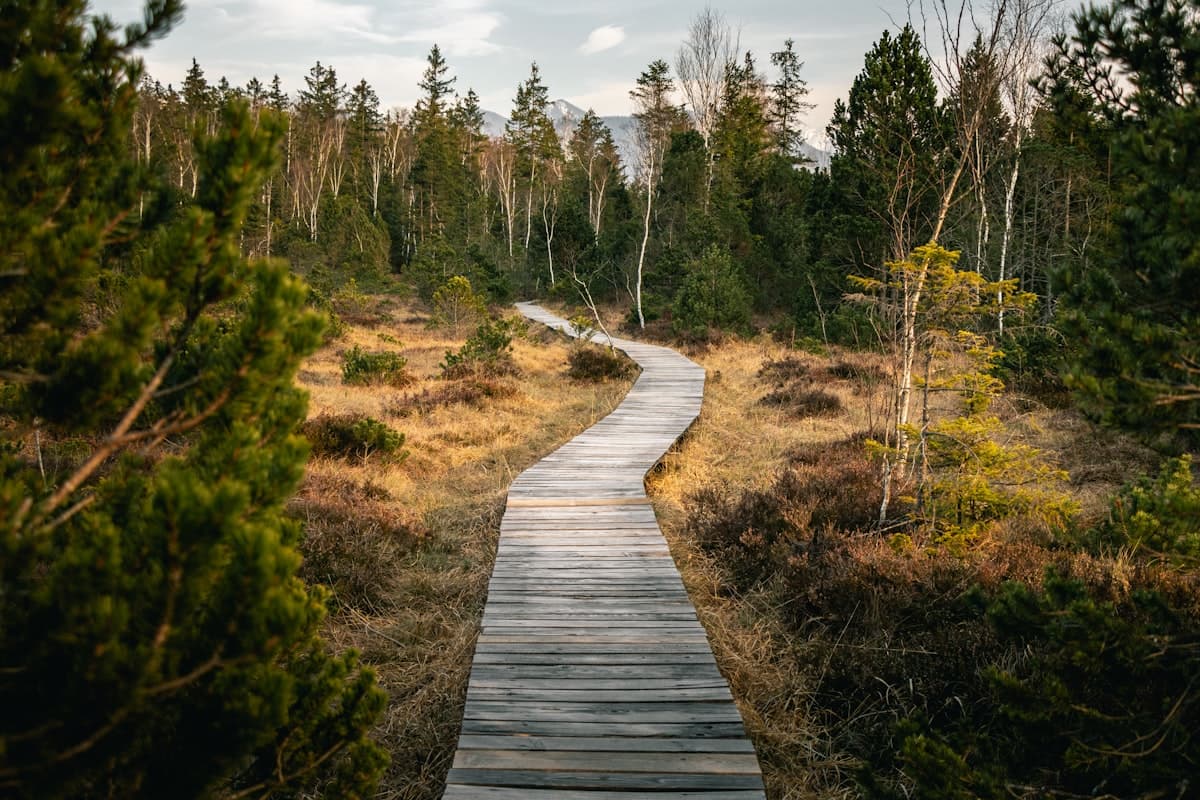
Hiking and Meditation: Walking Mindfully on the Trails
Transform your next hike into a true moving meditation. Techniques, exercises and tips for walking mindfully in nature to find calm, clarity and inner peace on the trails.
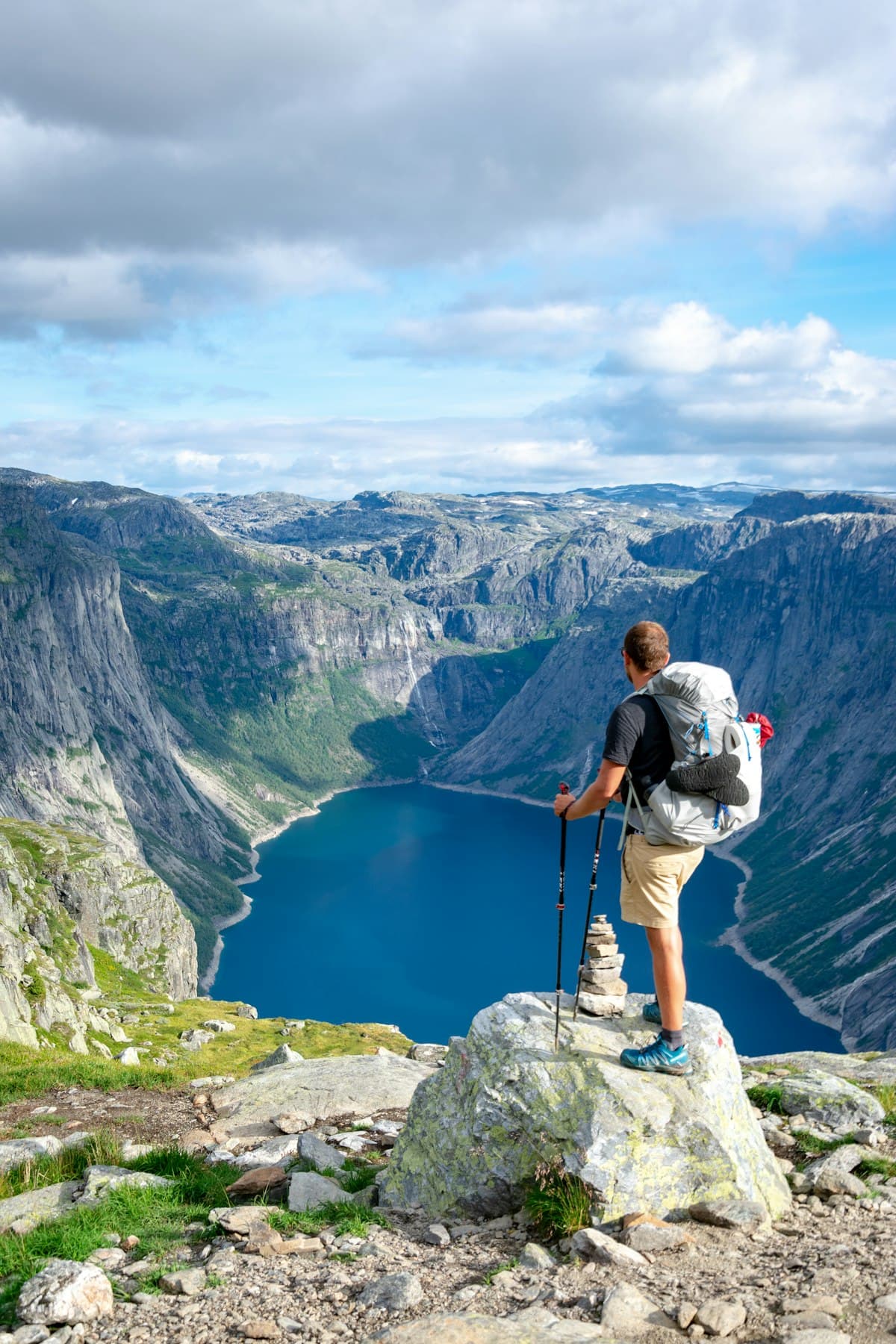
Geology While Hiking: Learning to Read the Landscape
Limestone, granite, ochre, glacial valleys: learn to read the geology beneath your feet. A guide to understanding how the landscapes you cross were formed and enriching every hike.
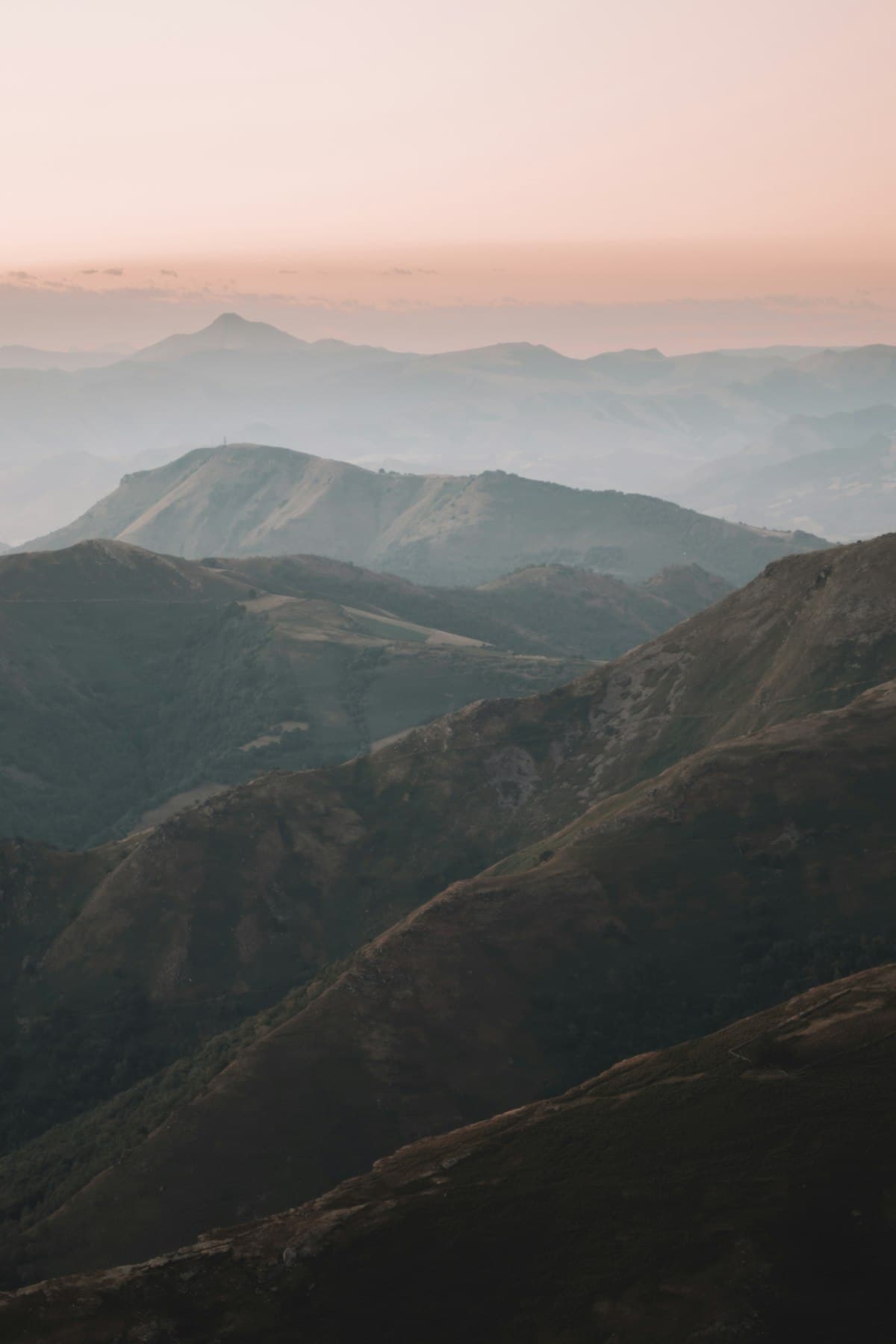
The Best Hikes in the French Basque Country
Pas de Roland, Baigura summit, Biarritz coastal trails, Mont Ursuia… Our selection of the 8 best hikes in the French Basque Country, with detailed routes, difficulty levels, and practical tips for exploring this exceptional territory between sea and mountains.