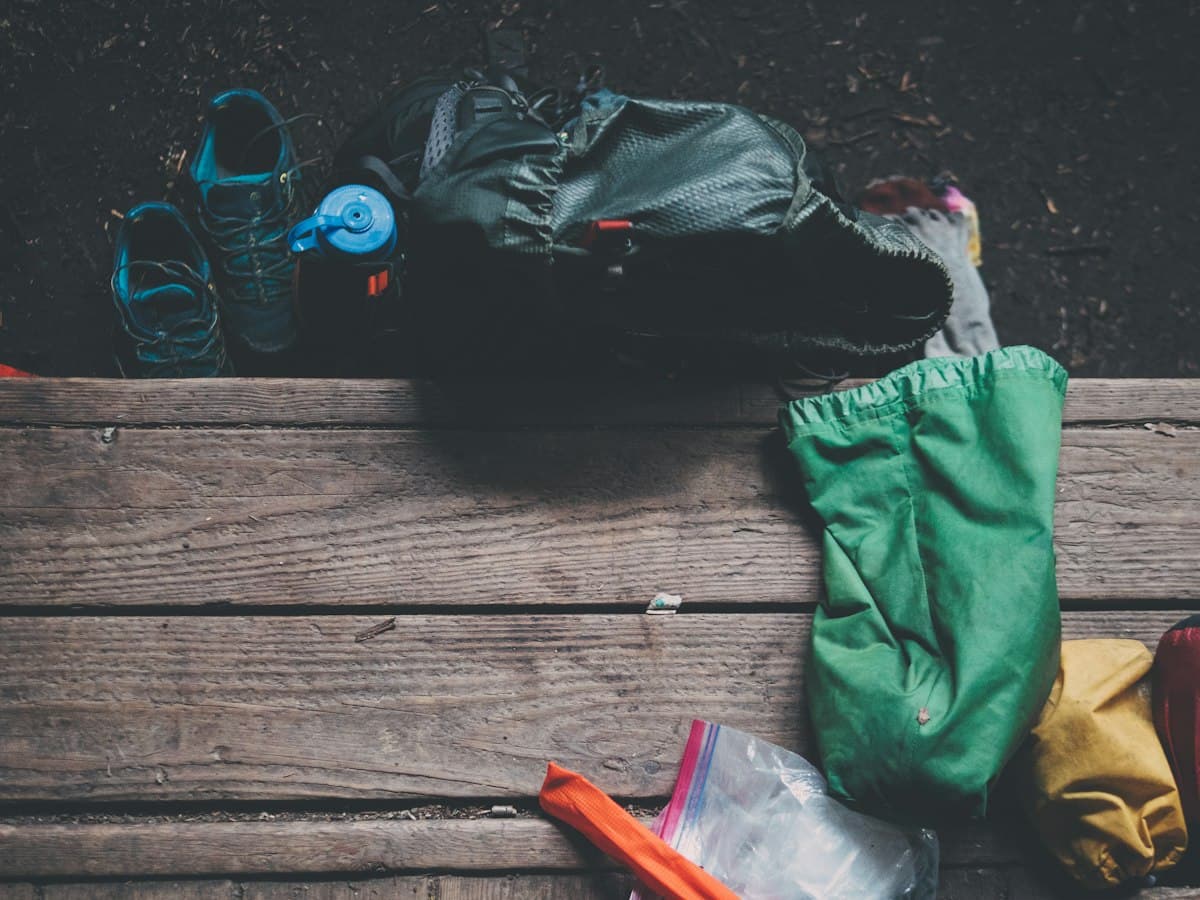
The Best Hiking Gear Under 50 €
The hiking gear market loves three-figure price tags. A headlamp for 95 €, a knife for 120 €, a water bottle for 65 € — the implicit message is always the same: quality costs money. Sometimes true. But in real trail conditions, a 25 € headlamp does exactly the same job as a 90 € one for 90% of outings. This guide takes a different angle: what actually delivers value under 50 €? Not compromises, not entry-level gear destined for the bin after two seasons — the pieces that belong in any pack, regardless of experience level.
Why Small Gear Delivers the Best Return on Investment
Value-for-money in hiking follows a simple law: the more basic the function, the less extra technology adds real benefit. A headlamp needs to turn on and throw enough light. A knife needs to cut. A bottle needs to keep water cold or hot. On these core functions, mid-range manufacturers reached a satisfying level of reliability years ago.
The extra 50 € of a premium item usually buys you: a few grams less (often fewer than 20 g), a more sophisticated interface (multiple light modes, Bluetooth), and marginally longer service life over years of intensive use. For the weekend hiker doing 30 to 50 outings per year, the investment doesn't pay off.
The golden rule: savings on small gear free up budget for what genuinely justifies a high price — footwear, backpack, rain jacket. Those three are worth investing in; most other items are not.
Lighting: The Headlamp That Does the Job
The Petzl Tikka remains the reference around 25 €: 300 lumens, 60-hour battery life on standard mode, IPX4 waterproofing. For a day hike or occasional camping, that's more than enough.
For emergency kits or when packing light, the Petzl e+LITE 2 (around 20 €) is unbeatable: 50 lumens, 27 g with batteries, 10-year shelf life in storage. It disappears into a pocket and can save you when your main headlamp fails.
Hydration and Meals
The Qwetch 750 ml insulated bottle (26-27 €) has become a hiker's budget staple: double-wall stainless steel, 12 hours hot / 24 hours cold, BPA-free. The 750 ml size fits most backpack side pockets. Perfect for half-day outings or carrying hot tea in winter.
For hikers venturing where water quality is uncertain — mountain springs, remote backcountry streams — the LifeStraw personal filter (around 20 €) is low-cost insurance. It eliminates bacteria and protozoa, weighs 29 g, and needs no maintenance between uses. Not needed in Provence in dry weather, but essential on multi-day treks in isolated terrain.
For camp cooking, the Campingaz Bleuet 206 Plus (19-20 €) is the classic emergency stove: decades on the market, still reliable, compatible with CV 206 cartridges available in any supermarket. It won't win any efficiency contests, but it boils 1 L of water in 4 minutes and costs under 20 €. For warming soup or making a hot drink on a winter break, that's entirely sufficient.
Comfort: Socks, Fleece, Light Gloves
Hiking rarely comes down to the most expensive footwear. Yet socks are one area where price genuinely matters — but that doesn't mean a high budget. Falke TK2 socks (11-14 € a pair) offer support, cushioning, and durability that supermarket socks simply cannot match. On a long outing, the difference is felt by hour three.
For fleece layering, the Regatta Thompson fleece (12-15 €) is frequently cited for value: soft fabric, functional cut without being too fitted, available in several colours. It doesn't replace a premium mid-layer, but it's perfectly suited for autumn outings and chilly rest stops.
Safety: Knife, Filter, Emergency Blanket
The Opinel No. 12 VRI (around 20 €) is probably the best functionality-to-price ratio in a hiking knife. The 12C27 stainless steel blade holds an edge well, the beechwood handle is comfortable in hand, and the safety ring prevents accidental opening. For food prep, cordage, field repairs — it's the versatile tool that lives permanently in your pack.
The emergency foil blanket (1-3 €) is the one safety item where price has absolutely no correlation with performance — they all work on the same physical principle. It weighs 50 g, takes no space, and can save lives in hypothermia or when injury forces you to wait for rescue. Never leave without one.
Electronics: Battery Banks and Charging
The powerbank market has been won by consumers: you can find reliable, certified batteries at reasonable prices. The Intenso Powerbank F10000 (around 15 €, 10,000 mAh) is regularly recommended for hikers who only need to top up one device — GPS or phone once or twice, which covers the majority of outings.
For longer outings or weekends, the Belkin 20,000 mAh (30-35 €) doubles capacity with two output ports, USB-C fast charging, and Belkin's warranty reassuring on durability. At this price, it's one of the best options on the market.
Two golden rules for batteries on trail: never leave at less than 80% charge, and keep the battery away from cold (in an interior pocket). Below 0 °C, effective capacity can drop 30 to 40%.
Observation: Compact Binoculars
Few hikers think about binoculars until they try them on trail. Yet for wildlife watching, reading terrain ahead, or simply enjoying a panorama in detail, they transform an outing.
The Bresser Mini Hunter 10x25 (around 22 €) is the most recommended entry-level choice: 10x magnification, pocket-sized format, adequate image quality in good light. For more demanding users or birdwatchers, the Bushnell PowerView 2 10x30 (39 €) offers a wider aperture and significantly better viewing comfort.
What Never Works Under 50 €
Being honest about the limits of a small budget is also a service to readers. Here are the items where you shouldn't cut corners:
Hiking boots: the only interface between your body and the ground tolerates no compromise. A poor pair of boots can ruin an outing, cause blisters, tendinitis, or falls. Budget at least 90-150 € for a reliable pair.
Rain jacket: a budget waterproof membrane won't last. Jackets at 30-40 € lose their water repellency after a few washes. On this item, 100-150 € for a Gore-Tex or equivalent jacket is an investment that pays off over five years.
Backpack: for outings longer than a day, a poorly fitted pack causes back, shoulder, and hip pain. Packs under 40 € generally have no proper carrying system. For a 30-40 L pack that will accompany hundreds of outings, 70-120 € is a reasonable budget.
Telescopic trekking poles: 20 € poles bend and jam at the worst moment. On this item, 40-60 € for a quality aluminium pair is the minimum for reliable gear.
Ready to hit the trail? Discover our curated hiking routes on OpenRando with itineraries suited to every level and every season. And to prepare your winter nutrition strategy, read our guide on cold-weather hiking nutrition.
As an Amazon Associate, we earn from qualifying purchases. Links marked with an external icon are affiliate links.
Related reading
Equipping a Beginner Hiker from A to Z: The Real Budget
How much does a complete hiking kit really cost for beginners? Three detailed budgets, item by item, with no fluff.
Premium Hiking Gear That's Actually Worth the Price
Where premium gear genuinely changes your hiking experience, and where it doesn't: a category-by-category analysis before the sales season.
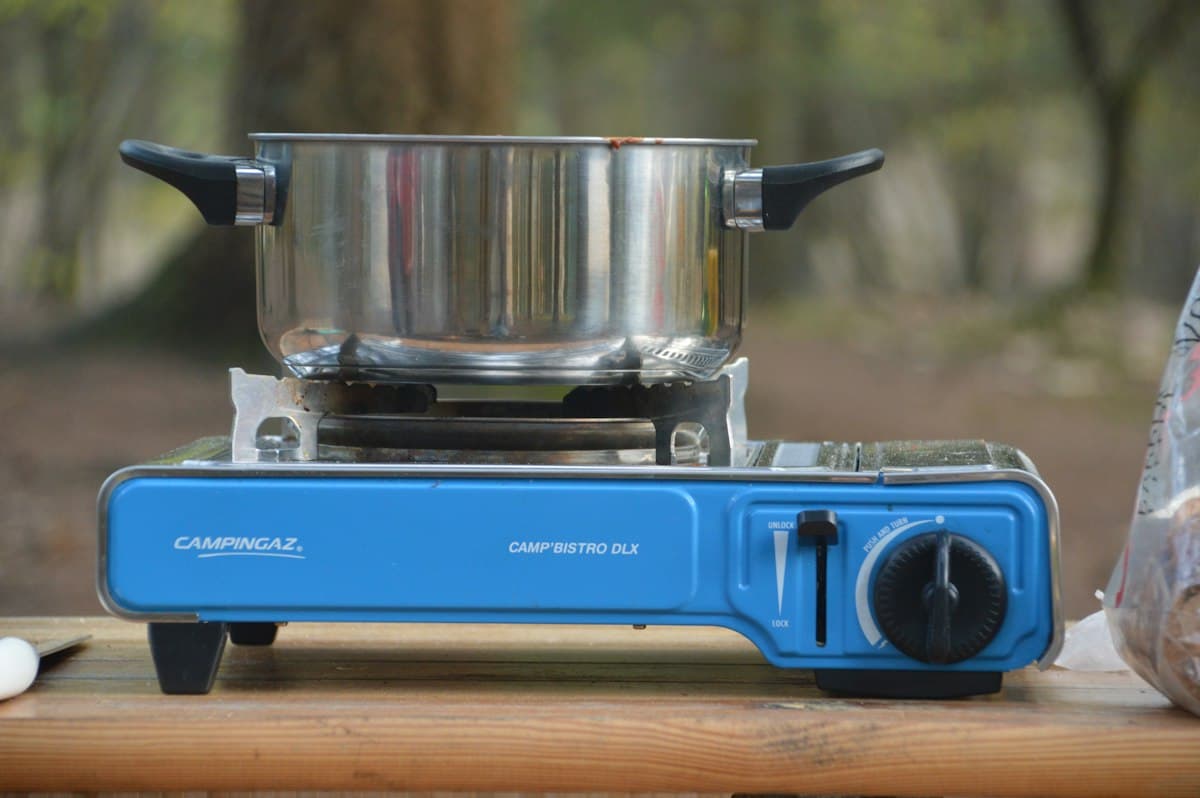
Hiking and Bikepacking Stove Comparison: Gas, Liquid Fuel, or Alcohol?
Which stove for hiking and bikepacking? Gas, liquid fuel, or alcohol, integrated system or separate burner, and how cold temperatures affect performance.