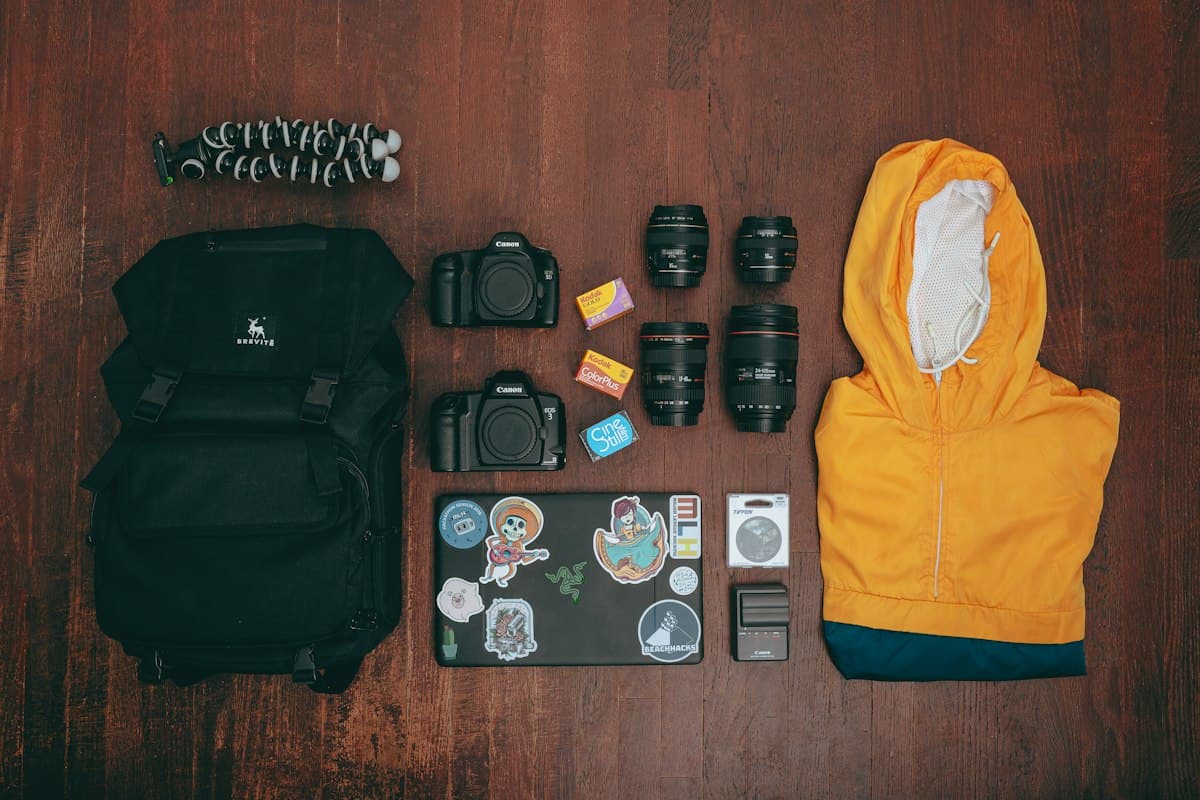
Equipping a Beginner Hiker from A to Z: The Real Budget
How much do you really need to spend to start hiking? The question comes up constantly, and the answers you find online range from alarmist ("budget €800") to dismissive ("old trainers are fine"). The truth lies somewhere else: there is a bare minimum, a reasonable comfort level, and a long-term investment. All three are legitimate, depending on your situation.
This guide offers verifiable figures, item by item, for three concrete profiles.
What You Actually Need to Get Started
Before talking money, let's clarify what really matters. Hiking doesn't require technical gear if you're heading out on marked trails, in good weather, for a day trip.
The essentials are:
- Footwear (absolute priority — see below)
- A day pack (20 to 35 litres)
- Water and food (bottle or reservoir, snacks)
- Appropriate clothing (layers, windproof shell)
- Navigation (app, map, or both)
- A minimal first-aid kit
Everything else — trekking poles, gaiters, headlamp, knife — is useful but can be bought gradually.
The Three Items Where You Shouldn't Cut Corners
1. Footwear — the only truly critical item
No affiliate link here, because feet are too important for a generic recommendation. Read our guide on how to choose hiking footwear before buying. What you need to know: a shoe that's too light on rough terrain strains your ankle; one that's too stiff damages the Achilles tendon on firmer ground. A sensible budget is €80 to €160 for a pair that will last 500 to 800 km.
2. Socks — often skipped, always regretted
A blister can ruin an entire day. Falke TK2 socks (from €11) offer one of the best quality-to-durability ratios at the entry level. Plan on two to three pairs before any multi-day trip.
3. The backpack — it carries your day
A poorly fitted pack starts hurting your back within two hours. The key criterion is an adjustable back system, not volume or brand. Our guide to choosing your hiking backpack covers the adjustment points in detail.
Tight Budget: Gear Up for €150
This is the budget for the casual Sunday hiker who isn't sure yet whether the hobby will stick.
| Item | Product | Approx. price |
|---|---|---|
| Backpack | Lowe Alpine AirZone Active 25L | €60 |
| Socks × 2 | Falke TK2 | €22 |
| Fleece | Regatta Thompson 1/2 zip | €12 |
| Water bottle | Qwetch insulated 750 ml | €26 |
| Knife | Opinel No. 12 VRI | €20 |
| Headlamp | Petzl Tikka | €25 |
| Total (footwear excluded) | ~€165 |
What this budget lacks: a waterproof jacket (borrow one or grab an emergency poncho for €10), trekking poles (unnecessary on flat trails), and a GPS (the free IGN app is enough to start).
Worth knowing: The Lowe Alpine AirZone Active is a solid entry-level pack, but the back length isn't adjustable. Fine for average builds, limiting for those with a long torso.
Comfortable Budget: €300
The right balance for someone who knows they'll hike regularly — at least once a month.
| Item | Product | Approx. price |
|---|---|---|
| Backpack | Millet Ubic 30 L | €125 |
| Socks × 3 | Falke TK2 | €33 |
| Fleece + windshell | Mid-layer fleece + light softshell | €60 |
| Water bottle | Qwetch insulated 750 ml | €26 |
| Knife | Opinel No. 12 VRI | €20 |
| Headlamp | Petzl Tikka | €25 |
| Total (footwear excluded) | ~€290 |
The Millet Ubic 30 L features a ventilated back panel and adjustable lumbar strap. The difference is noticeable after two hours of hiking with a loaded pack.
Long-Term Budget: €600 and Why It Makes Sense
This budget targets durability over 5 to 10 years. The key pieces are footwear (€160), a quality professional pack (€160–200), a Gore-Tex jacket (€150–200), and technical base layers that survive 100 washes.
This isn't a luxury budget — it's a budget that spreads cost over a longer lifespan. A €50 jacket replaced every two years costs more in the long run than a €180 jacket kept for ten years.
The items this budget focuses on:
- Waterproof footwear with a membrane (Salomon, Merrell, La Sportiva): €120–180
- Pack with an adjustable back system: €150–200
- Certified waterproof jacket: Gore-Tex or equivalent proprietary membrane
- Merino wool socks: last two to three times longer than synthetic
What to Borrow, Rent, or Buy Second-Hand
Hiking is one of the activities where buying used makes a lot of sense. Here's what holds up well second-hand:
Buy second-hand:
- Backpacks (check that straps aren't fraying and zips aren't stiff)
- Telescopic poles (test the locking mechanism on each segment)
- Fleeces and mid-layers (no critical wear points)
Borrow to test first:
- Trekking poles (a weekend trial is enough to find out if you like them)
- A water bottle (any leakproof container will do to start)
Avoid second-hand:
- Footwear (they mould to the previous owner's feet)
- Socks (obviously)
- Helmet or harness if your hike calls for one
The Order to Buy When You Spread the Cost
If the budget doesn't allow everything at once, here's the logical sequence:
- Footwear (absolute priority — everything else can wait)
- Technical socks (protects your feet, low cost)
- A backpack suited to your usual load
- Hydration: bottle or reservoir
- Layers: fleece + windproof or light waterproof
- Headlamp: essential as soon as you plan shoulder-season outings
- Trekking poles: useful but not urgent unless you're tackling steep terrain
Also check out our article on planning your hike for the organisational side, and our hiking gear under €50 selection to round out your basic kit.
Note for Black Friday (27 November 2026): this article will be updated with the best verified deals on each item in this guide. Affiliate links will reflect real observed prices.
As an Amazon Associate, we earn from qualifying purchases. Links marked with an external icon are affiliate links.
Related reading
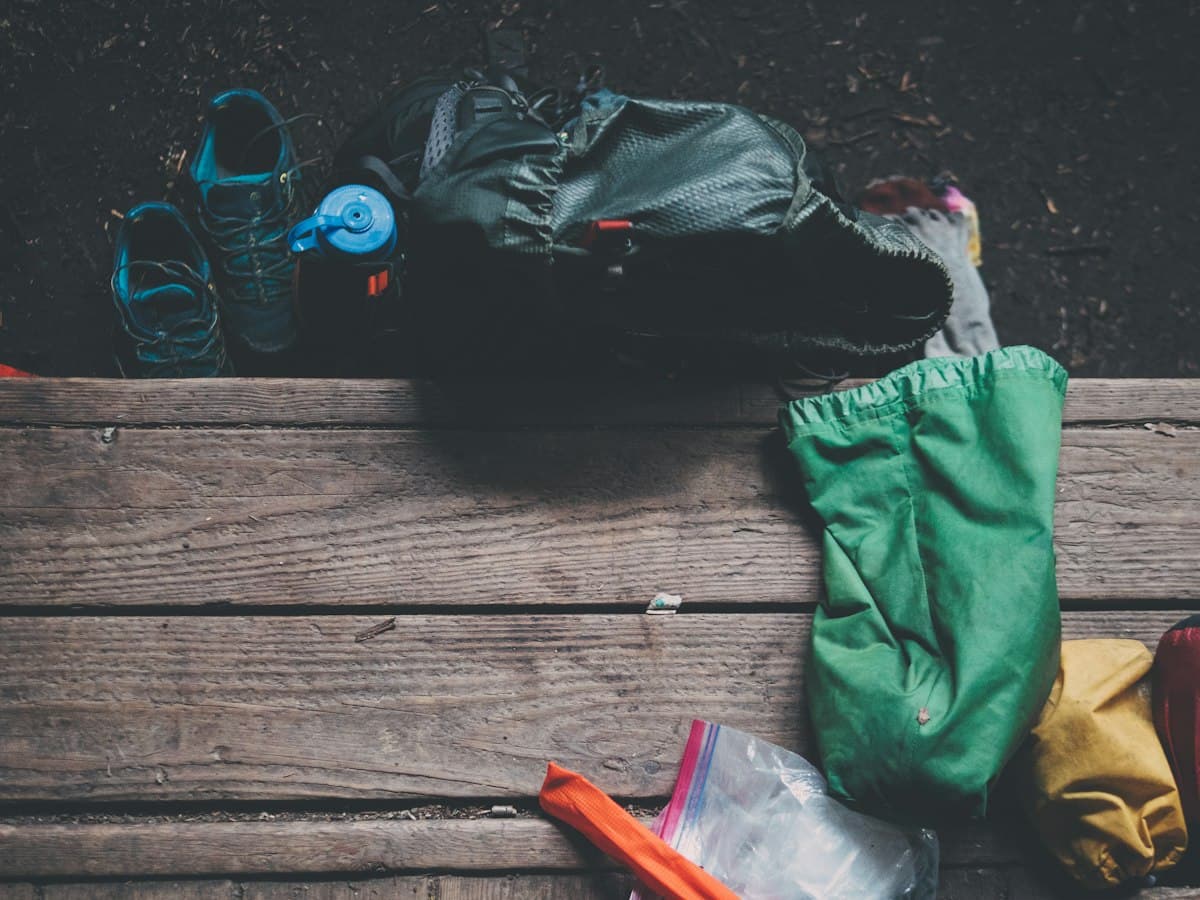
The Best Hiking Gear Under 50 €
Twelve genuinely useful pieces of hiking equipment under 50 euros, tested and ranked by use case: lighting, hydration, safety, electronics.
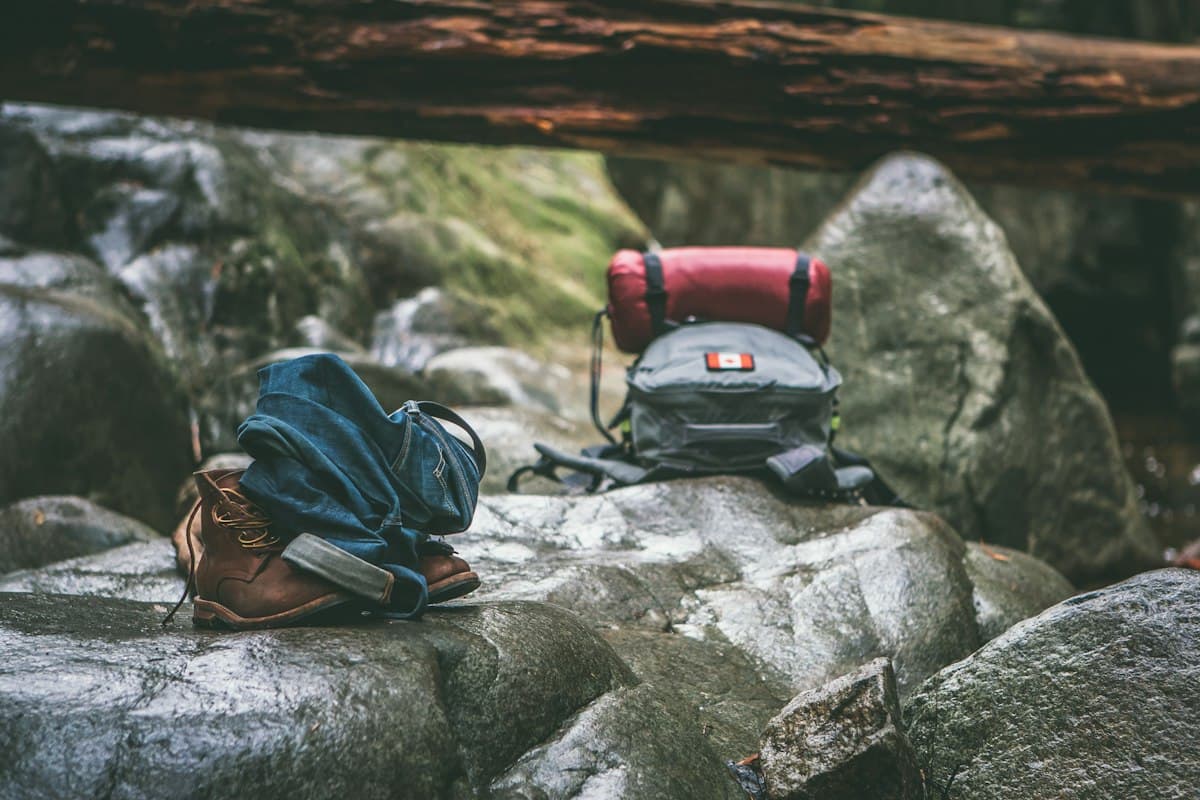
How to Pack Your Hiking Backpack: The Method That Actually Lightens the Load
Weight distribution, cutting unnecessary gear without compromising safety, and systematically weighing every item: a complete method for carrying less on the trail.

How to Prepare for Your First Mountain Hike
Gear, training, weather, and route planning: everything you need to know to successfully complete your first mountain hike safely and make the most of the experience.