How to Prepare for Your First Mountain Hike
Every year, millions of people take to the mountains for the first time. The breathtaking panoramas, fresh air, and sense of achievement when you reach the summit are experiences unlike any other. But heading into the mountains without proper preparation can quickly turn a beautiful adventure into a miserable — or even dangerous — ordeal. This guide is for you: here's everything you need to know to prepare and succeed on your first mountain hike.
1. Choosing the Right Route to Start
The most common beginner mistake is aiming too high too soon. Choosing the right route accounts for 80% of your success.
Key Criteria to Check
- Elevation gain: For your first mountain hike, aim for 400 to 700 m of positive elevation gain (D+). Beyond 800 m, the outing becomes physically demanding.
- Distance: Between 8 and 14 km for a full day. In the mountains, you cover less ground than on flat terrain (2 to 3 km/h when climbing).
- Waymarking: Stick to well-marked trails (GR, GRP, or local PR trails) with clear signage.
- Water sources: Check for springs or mountain huts along the way.
Accessible Starting Points
You don't need to tackle the high Alps for your first time. Mountain ranges like the Luberon, the Vercors, or the Pre-Alps of Provence offer superb hikes with reasonable elevation gains. Head to OpenRando to discover beginner-friendly routes, complete with elevation and distance data for each trail.
2. Essential Gear
You can't head into the mountains the same way you'd go for a woodland stroll. The terrain, weather, and duration call for specific equipment.
Footwear: The Top Priority
This is your most important investment. In the mountains, a good pair of mountain hiking boots with a high ankle collar (for ankle support), lugged sole, and waterproof membrane is non-negotiable.
- High collar: protects ankles on uneven terrain
- Gore-Tex or equivalent: waterproofing without compromise
- Vibram sole: grip on rock and wet ground
Tip: Buy your boots at a specialist outdoor store. Try them on with your hiking socks, in the late afternoon when your feet are slightly swollen. Break them in before your hike with 2 or 3 shorter outings.
Backpack
For a day hike, a 25 to 35-litre backpack is ideal. It should contain:
- Water: at least 1.5 to 2 litres (see our guide on hydration systems and water bottles)
- Food and snacks
- Extra warm layers (even in summer)
- First aid kit
- Downloaded offline map (IGN, Komoot, or Wikiloc)
- Emergency survival blanket
- Headlamp
Trekking Poles
Optional for some, essential for others. Telescopic trekking poles reduce pressure on the knees by 25 to 30% on descents — which makes a real difference over 800 m of downhill. On ascents, they improve balance and propulsion.
Waterproof Jacket
Mountain weather can turn fast. Even on a clear valley day, it can rain or be windy at altitude. A lightweight, packable waterproof jacket (under 400 g) should always be in your pack.
Sun Protection
At altitude, UV radiation is more intense: +10% for every 1,000 m gained. SPF 50+ sunscreen and category 3 or 4 sunglasses are essential, even in June.
3. Physical Preparation
Mountain hiking works muscles you don't use in daily life — especially the quadriceps on descents and the calves on ascents.
4 to 6 Weeks Before
- Brisk walking: 3 to 4 outings per week, 45 minutes to 1 hour 30. Incorporate elevation changes as soon as possible (stairs, hills).
- Strength training: squats, lunges, step-ups. These exercises prepare the knees and ankles for the impact of descents.
- Cardio: cycling, swimming, or jogging to build endurance.
The Week Before
- Rest more, avoid intense effort in the 2–3 days before the hike.
- Do short outings to break in new boots if needed.
- Stay well hydrated.
4. Reading Mountain Weather
Mountain weather is a serious topic. Even in midsummer, violent thunderstorms can strike in the early afternoon.
How to Read Mountain Forecasts
- Check Météo France (mountain forecast section, by massif) the day before and the morning of your hike.
- Check the thunderstorm risk index: if it exceeds 3/5, consider postponing.
- In summer, set off early in the morning (before 7 am) and aim to be off exposed ridges by 2 pm if thunderstorms are possible. Summer storms typically build up in the early afternoon.
Warning Signs in the Field
- Rapidly darkening sky on the horizon
- Cumulonimbus clouds (anvil-shaped)
- Static electricity in the air (hair standing on end)
- Distant thunder
If these signs appear, descend immediately to lower ground. Do not stay on ridges or under isolated trees.
5. Planning Your Route
Good preparation includes thorough route planning.
Steps to Follow
- Download the IGN map for the area on an offline app (IGNrando, Komoot, Wikiloc). In the mountains, you will often lose mobile signal.
- Locate water points: springs, fountains, mountain huts. In summer, some springs dry up.
- Note key times: planned departure time, estimated summit arrival, latest turnaround time.
- Inform someone: leave your itinerary, the number of people in your group, and your expected return time with a trusted contact.
Turning Around: A Wise Decision
The golden rule: if you haven't reached the halfway point of your objective by the halfway mark of your allotted time, turn back. In the mountains, the descent often takes as long as the ascent — and most accidents happen on the way down (fatigue, cramps, poor visibility).
6. Managing Effort and Nutrition
Hiking Pace
In the mountains, adopt a slow, steady rhythm. The temptation to push hard at the start is strong — resist it. Too fast a pace generates lactic acid, depletes glycogen stores, and quickly leads to bonking and cramps.
- Take a 10-minute break every 50 minutes of walking.
- Drink before you feel thirsty: 200 to 300 ml every 30 minutes.
- Don't exceed the pace at which you can still carry on a normal conversation.
What to Eat
- Before departure: a carbohydrate-rich breakfast (cereals, whole-grain bread) 1.5 to 2 hours before setting off.
- During the effort: regular snacks every 45 minutes — cereal bars, dried fruit, cheese, nuts. Favour foods rich in carbohydrates and electrolytes.
- After the effort: a protein-rich snack within 30 minutes of finishing to support muscle recovery.
7. Safety and Emergency Numbers
Even on a well-marked and well-prepared route, accidents can happen. Here are the essential reflexes.
Minimum Safety Kit
- Fully charged phone with the route downloaded offline
- Emergency survival blanket in your pack
- Whistle (3 blasts = distress signal)
- Headlamp — even for a day hike
Useful Numbers
- 112: European emergency number (works even without network coverage in some areas)
- 15: SAMU (medical emergency)
- 18: Fire brigade
- PGHM: Peloton de Gendarmerie de Haute Montagne (mountain rescue) — regional numbers vary by department
In Case of an Accident
- Do not move an injured person (unless there is immediate danger)
- Call emergency services, providing: your GPS position (latitude/longitude), the number of injured people, the nature of injuries
- Stay put and guide rescuers visually or verbally
- Cover the injured person with the survival blanket
8. Starting Your Mountain Adventure
If you're looking for beginner-friendly routes, OpenRando lists hundreds of verified trails with elevation gain, distance, estimated duration, and photos. Filter by geographic area to find hikes near your home or holiday destination.
For the Southern Alps, start with sectors like the Pre-Alps of the Hautes-Alpes (Dévoluy, Champsaur) or the Alpes-de-Haute-Provence (Forcalquier, Montagne de Lure). These massifs offer beautiful panoramas with manageable elevation, far from the crowds of the major ski resorts.
For mountain areas closer to the Mediterranean, explore the Luberon, Mont Ventoux, or Sainte-Victoire — Provençal classics with a mountain atmosphere accessible from spring onward.
The mountains are a school of patience, humility, and wonder. Your first high-altitude hike will likely be one of the most beautiful outdoor experiences of your life — provided you prepare it seriously. Good boots, a well-chosen route, a checked forecast, and enough water and food: with these foundations in place, you'll have every chance of returning with a smile — and an irresistible urge to go back.
As an Amazon Associate, we earn from qualifying purchases. Links marked with an external icon are affiliate links.
Related reading
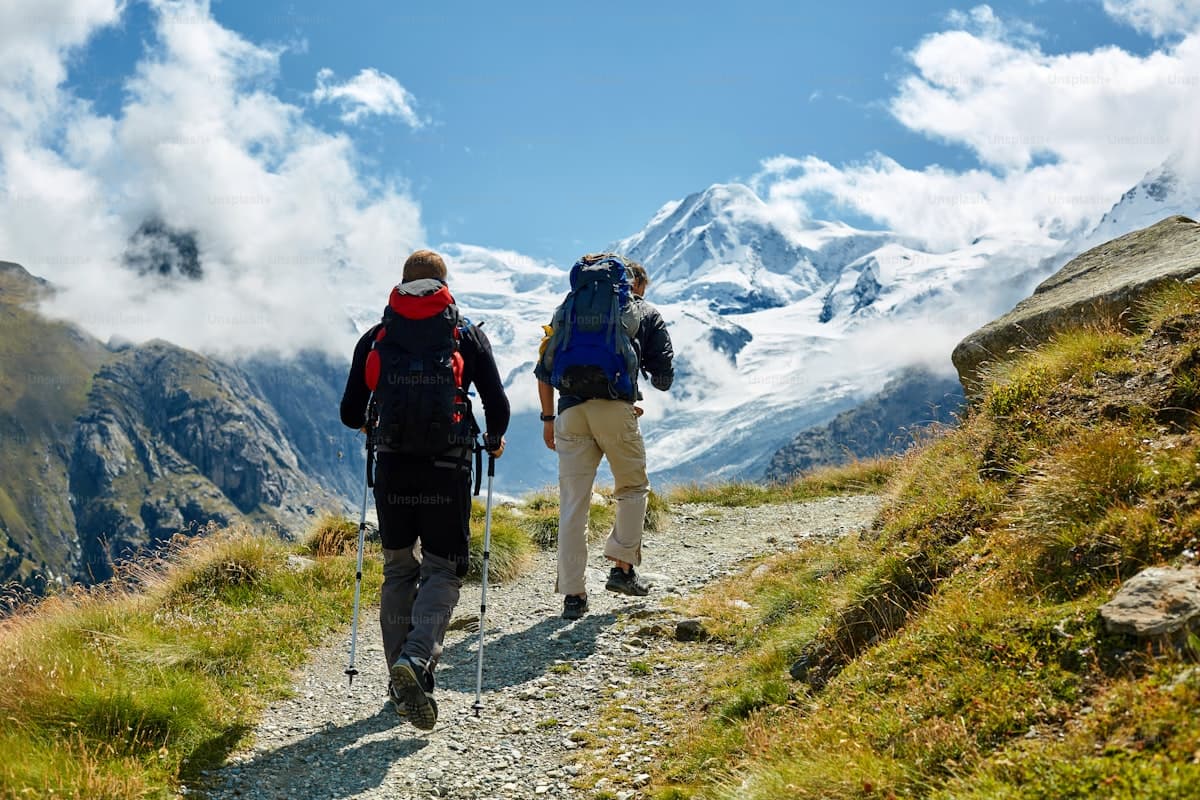
Hiking safely: the mistakes you absolutely must avoid
Poor preparation, wrong gear, underestimated weather… Discover the 10 most common hiking mistakes and how to avoid them to enjoy the mountains with complete peace of mind.
How to Prepare for a Hike: The Complete Beginner's Guide
Discover our essential tips for preparing your first hike: gear, route planning, safety, and using GPX files. A complete A-to-Z guide.
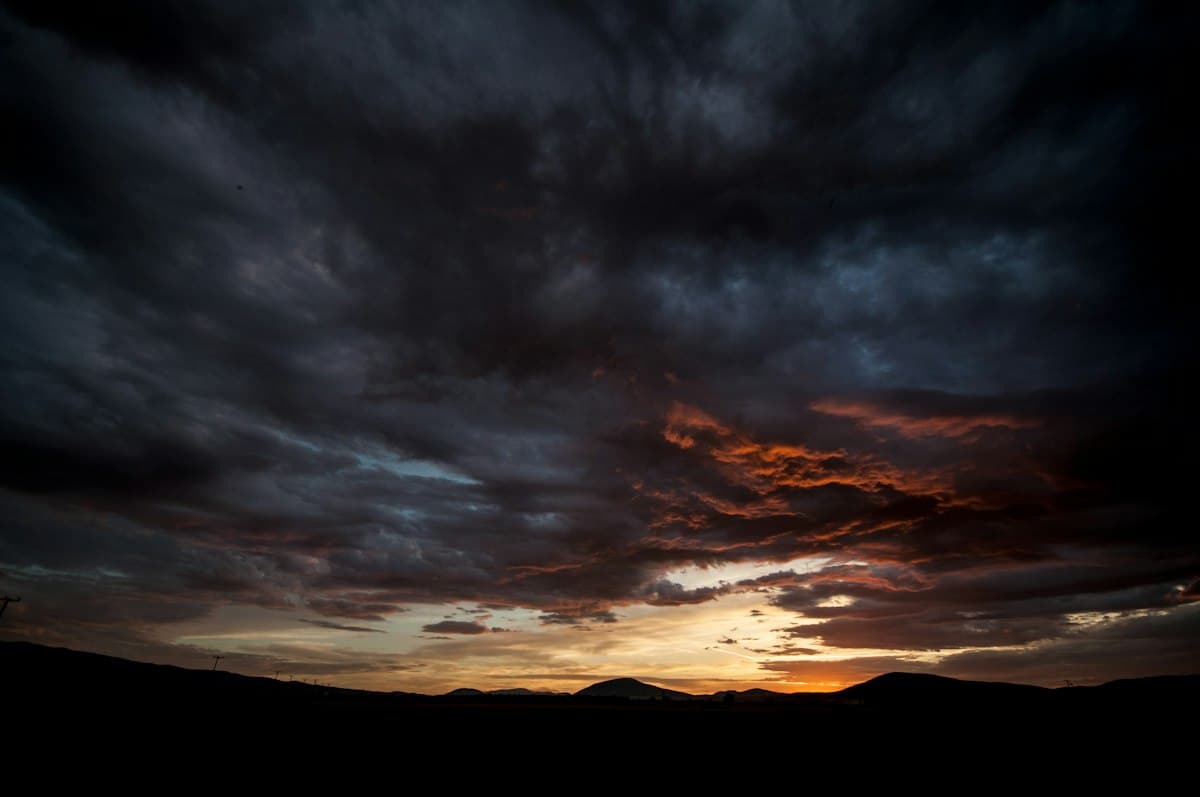
Reading Mountain Weather: Clouds, Wind, and Storms Without an App
How to anticipate mountain weather without a forecast app: identify storm clouds, read wind shifts, and estimate time before lightning strikes.