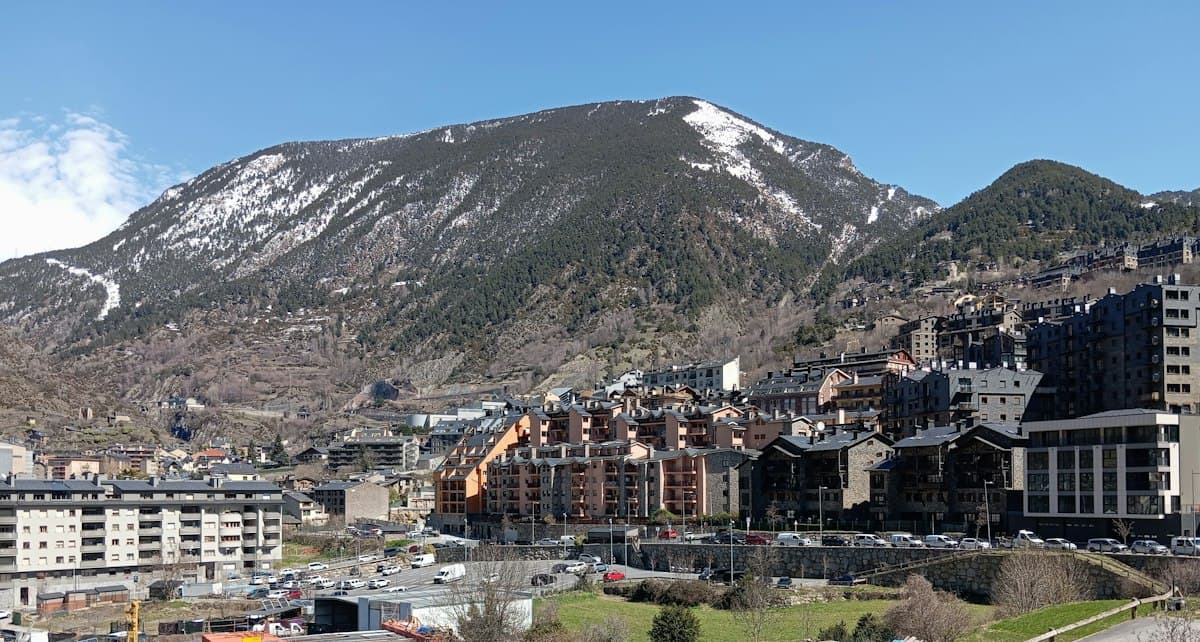
The Most Beautiful Winter Hikes in the Pyrenees
The Pyrenees in winter offer a radically different experience from their summer version: silence, raking light on snow-covered ridges, and a rare solitude on trails usually crowded. But they also demand serious preparation. Here are seven itineraries to discover the Pyrenean mountains from November to March, without crossing the line that separates hiking from mountaineering.
Winter Hiking vs. Mountaineering: Where is the Line?
This is the fundamental question before any outing in snowy mountains. The boundary isn't always obvious, but it rests on a few concrete criteria.
Winter hiking remains accessible with good waterproof mountain boots, snowshoes and trekking poles. It follows marked trails on unexposed terrain, without crossing steep slopes or cornices.
Winter mountaineering begins when the slope exceeds 30-35°, when the terrain requires crampons and ice axe, and when the risk of avalanche or fall becomes real. Without specific training, this domain is to be avoided.
The itineraries presented here remain in the first category — provided you consult the avalanche bulletin before each outing.
1. The Gavarnie Cirque in Winter
Level: Easy | Duration: 3h round trip | Elevation gain: +220 m
The Gavarnie cirque (Hautes-Pyrénées) is one of the most spectacular hikes in France, winter and summer alike. In cold season, the Grande Cascade partially freezes and the cirque takes on an almost surreal dimension.
The path from the village of Gavarnie is wide, little exposed and generally well-trodden by repeated passages. Light crampons can be useful during freeze-thaw cycles.
Good to know: The village offers snowshoe rentals. The cirque is listed as a UNESCO World Heritage Site and remains open year-round.
2. The Ossau Valley
Level: Easy to Intermediate | Duration: 4-6h depending on variant | Elevation gain: +300 to +600 m
The Ossau Valley, in the Pyrénées-Atlantiques, is one of the finest valleys in the massif. In winter, several itineraries remain walkable without snowshoes until December, then with snowshoes from January to March.
The circuit around the Cézy sheepfold (1,450 m) offers an open view of the Pic du Midi d'Ossau (2,884 m), a silhouette recognizable among all. The trail follows summer pastures then climbs through beech forests in late autumn colors.
Good to know: The valley road remains open in winter. Bring waterproof gaiters for crossing snowy zones.
3. The Ayòus Lakes
Level: Intermediate | Duration: 5-6h | Elevation gain: +700 m
Located above Gabas (Pyrénées-Atlantiques), the Ayòus lakes freeze in winter and offer an exceptional photographic spectacle with the Pic du Midi d'Ossau as backdrop.
The ascent from Gabas is classic and well-traced, but snowfall can be significant from December. Snowshoes are often necessary for the upper section. The view over the frozen lakes makes it one of the most memorable winter hikes in the Pyrenees.
Good to know: Check snow conditions and avalanche risk before departure. Mountain huts are closed in winter.
4. The Cauterets Valley and Pont d'Espagne
Level: Easy | Duration: 2-4h | Elevation gain: +200 to +400 m
Cauterets (Hautes-Pyrénées) is a ski resort, but the valley also offers superb winter hikes for non-skiers. The Pont d'Espagne, accessible by shuttle from the resort, is an ideal starting point.
Lac de Gaube, located 30 minutes above the Pont d'Espagne, is often frozen in winter. The combination of turquoise waters under the ice and surrounding summits creates an unforgettable panorama.
Good to know: A quality waterproof jacket is essential: precipitation can occur at any time in the Hautes-Pyrénées.
5. The Beille Plateau on Snowshoes
Level: Easy (on snowshoes) | Duration: 2-4h depending on circuit | Elevation gain: +150 to +300 m
The Beille plateau, in Ariège, is one of the leading snowshoeing destinations in the Pyrenees. Located between 1,800 and 2,000 m altitude, it is snow-covered from December to March and offers marked circuits accessible to everyone.
The Beille nordic area has more than 40 km of groomed trails, spread across circuits of varying difficulty. It's the ideal place for a first snowshoe experience with family, with fun itineraries and panoramas over the Ariège Pyrenees.
Good to know: The site charges an entry fee (day pass). Snowshoe rentals on site.
6. The Kakuetta Gorges (Basque Country)
Level: Intermediate | Duration: 3-4h | Elevation gain: +300 m
Located in Soule (Basque Country), the Kakuetta gorges are partly accessible in winter, although the bottom of the gorges may be closed in icy weather. The surroundings offer spectacular forest hikes in an environment of rare mineral and botanical richness.
The nearby Iraty forest offers excellent snowshoe routes on the Basque plateau.
7. Tour of the Carlit Massif
Level: Intermediate to Advanced | Duration: Full day | Elevation gain: +700 m
In the Pyrénées-Orientales, the Carlit massif (2,921 m at the summit) is surrounded by about a hundred lakes. In winter, the partial tour of this massif, from Les Angles or Font Romeu, offers a landscape of frozen lakes of stunning beauty.
This itinerary is for experienced hikers with snowshoes. Read our guide on hiking in the Pyrénées-Orientales for more details on the region.
Avalanche Bulletin: Read It Before Every Outing
This is the essential gesture, often neglected. The avalanche risk bulletin (BRA) is published each morning by Météo-France for each Pyrenean massif. It classifies risk from 1 (low) to 5 (very high).
Simple rule: above level 3, only unexposed itineraries are feasible. At level 4 or 5, it's better to cancel.
The bulletin is available on Météo-France's website or via their mobile app. Some Pyrenean massifs also have very useful local snow stations.
For more information, check our guide on avalanche safety for hikers.
Recommended Equipment
For a winter hike in the Pyrenees, here are the essentials:
- Footwear: waterproof hiking boots with high ankle support, crampon-compatible sole
- Snowshoes: snowshoes for outings with significant snowfall
- Poles: telescopic poles, with snow baskets for powder snow
- Eye protection: category 4 glacier sunglasses, high protection sunscreen
- Layers: multi-layer system with breathable base layer, fleece and windproof shell
Also read our comparison of snowshoes to choose the model suited to your practice.
Practical Tips
Weather: The Pyrenees are known for their changeable weather and rapid foehn storms. Always check forecasts the evening before and the morning of departure, and don't hesitate to cancel.
Short days: In December-January, the sun sets early. Calculate your return time accordingly and always carry a headlamp even for a short outing.
Variable snowfall: From one year to the next, snowfall can vary considerably. Sites like CamptoCamp collect recent conditions left by other hikers.
Don't go alone: For a first winter outing at altitude, going in a group or with a certified mountain guide is strongly recommended. Tourist offices in Gavarnie, Cauterets and Font-Romeu offer guided outings.
The winter Pyrenees generously reward those who accept stepping outside their comfort zone. Snow-covered cirques, frozen lakes and a solitude that summer can no longer offer — provided you leave prepared.
As an Amazon Associate, we earn from qualifying purchases. Links marked with an external icon are affiliate links.
Related reading
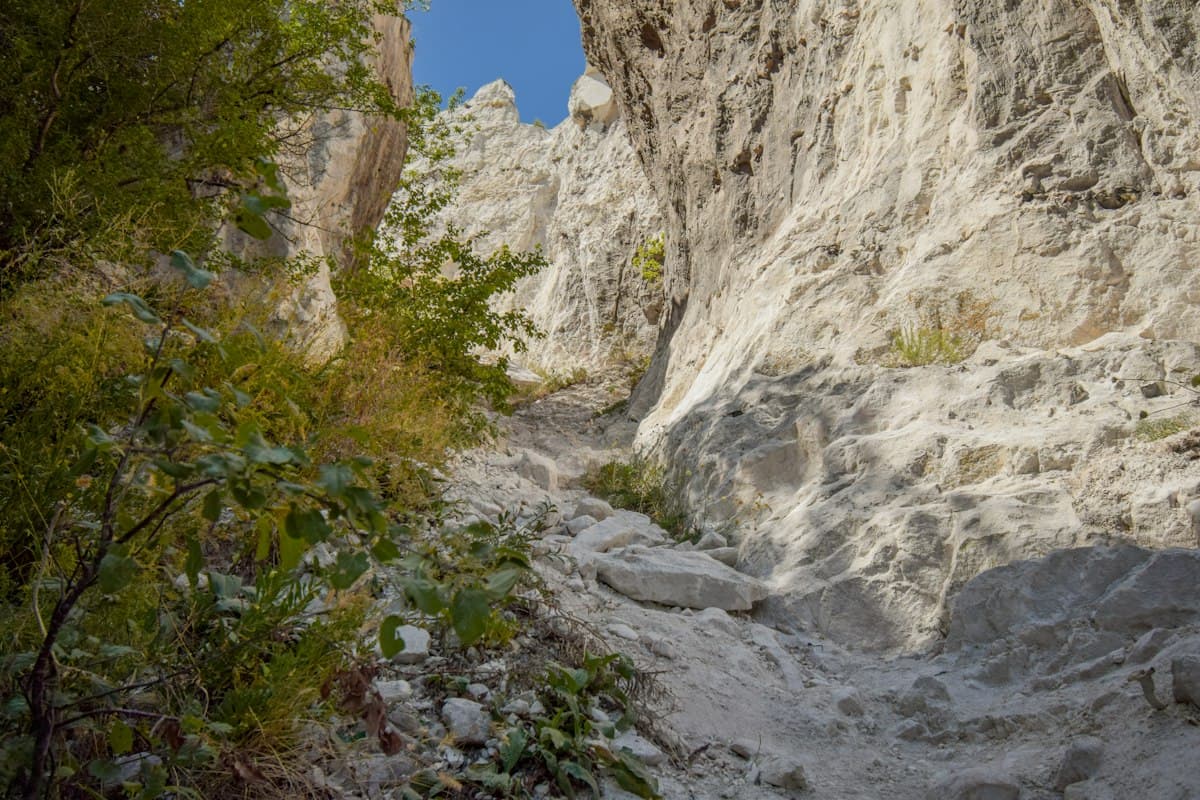
The Best Winter Hikes in Provence
Eight hikes to do in Provence in winter: sunny garrigues, deserted calanques and massifs accessible year-round.
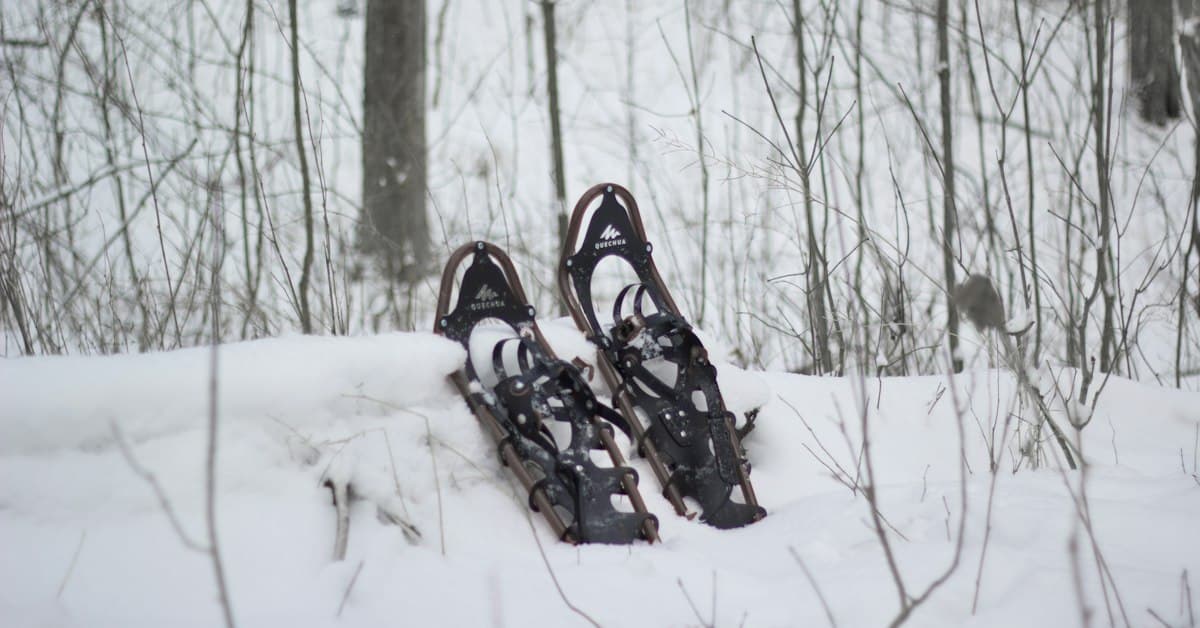
Snowshoe Comparison: The Complete Buying Guide
How to choose snowshoes: flotation based on total weight, binding systems, heel lifts and terrain types. Four TSL models compared from beginner to experienced hiker.
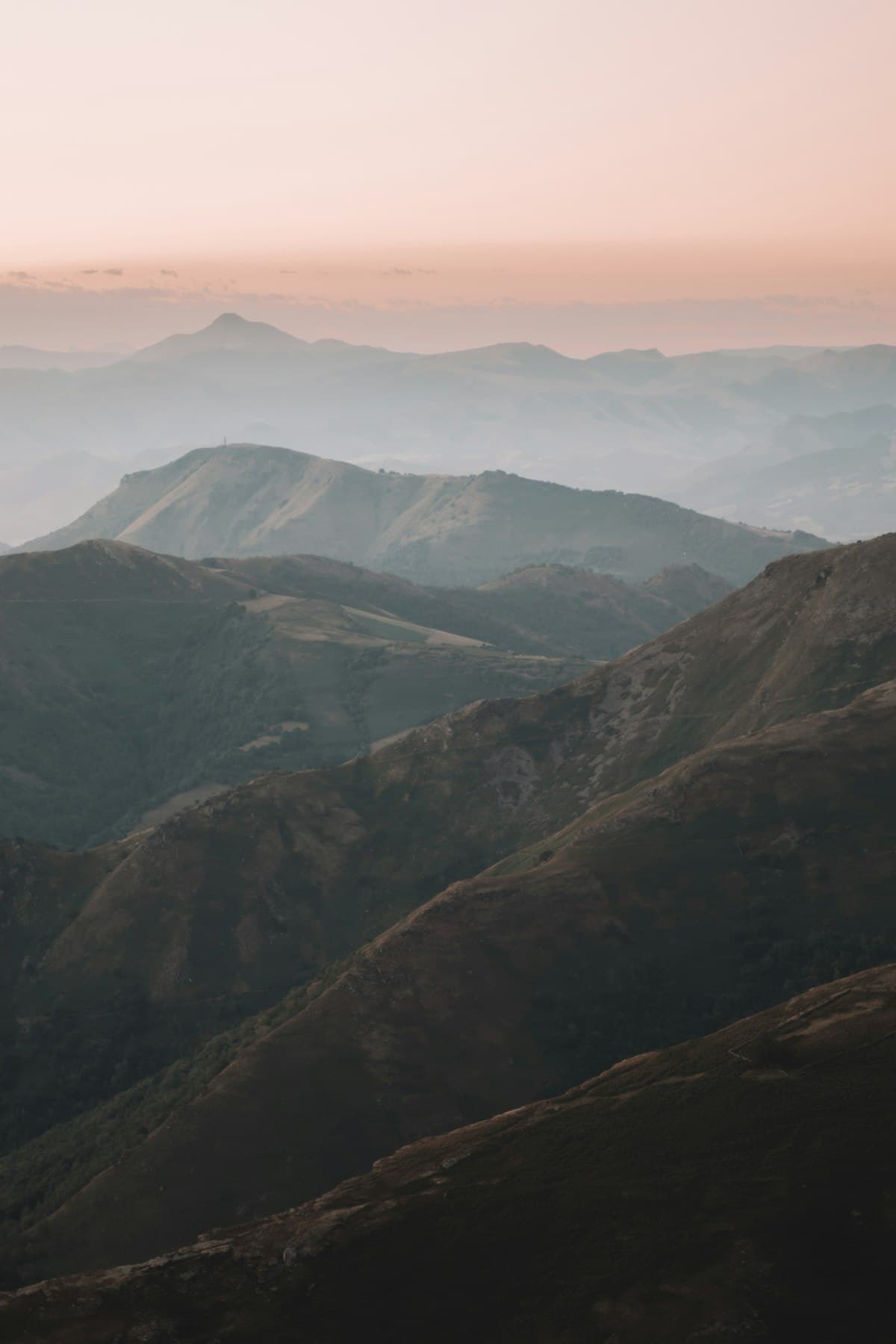
The Best Hikes in the French Basque Country
Pas de Roland, Baigura summit, Biarritz coastal trails, Mont Ursuia… Our selection of the 8 best hikes in the French Basque Country, with detailed routes, difficulty levels, and practical tips for exploring this exceptional territory between sea and mountains.