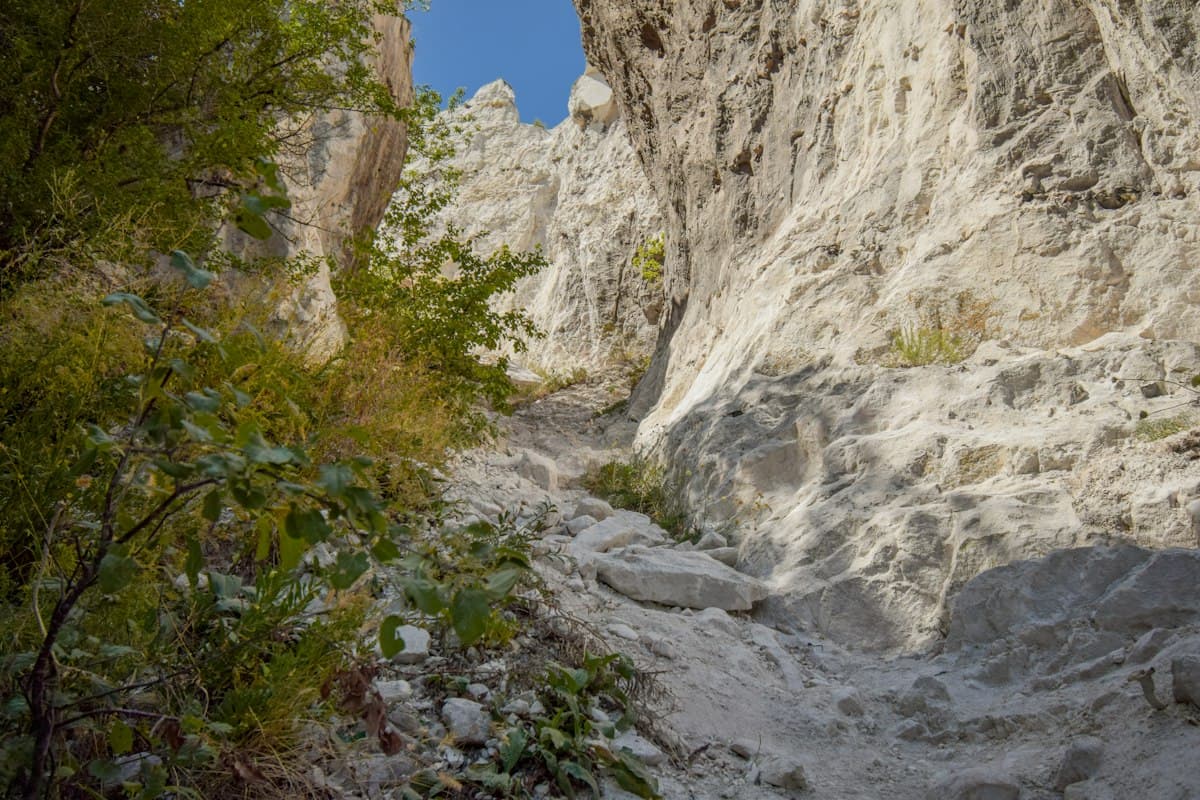
The Best Winter Hikes in Provence
While the Alps and Pyrenees disappear under snow and their refuges close for the season, Provence enters its best period for hiking. Provençal winter is the opposite of what most people imagine: frequent sunshine, absent crowds, zero wildfire risk. The garrigue still carries the scent of thyme, the calanques are yours alone, and the December light on the Sainte-Victoire has a pink tone that August tourists will never see.
This guide covers eight hikes best done from November to March, with the key nuances: the mistral wind, some seasonal closures, and the right equipment.
Why Winter Is the Best Season in Provence for Hiking
Provence has an unjustified summer reputation in hiking circles. In summer, massifs like the Calanques or the Alpilles are officially closed from mid-June to mid-September due to wildfire risk — or subject to restrictive prefectural orders. The heat is brutal, car parks are saturated by 7am, and trails are packed.
Winter reverses this equation:
- Ideal temperatures between 8 and 15 °C, without excessive sweating, which reduces water consumption and allows longer outings.
- Fire restrictions lifted: all massifs are accessible without restriction.
- Ten times less foot traffic on iconic sites like the Calanques or the Luberon.
- Open vegetation: deciduous trees have lost their leaves, opening up panoramas that summer hikers simply don't know exist.
The only real constraint is the mistral, which can blow hard for several days at a stretch. We cover it at the end of this guide.
Bring waterproof hiking shoes: Provençal trails often remain damp and muddy after autumn and winter rains, even under bright sunshine.
The Calanques Without Crowds or Restrictions
The Calanques, between Marseille and Cassis, rank among the most spectacular hikes in France. In summer, they are often closed and always crowded. In winter, they return to near-total solitude.
Recommended route: from Luminy to En-Vau via the Morgiou ridge. Allow 5 to 6 hours for 15 km and 700 m of elevation gain. The trail follows the ridgeline with plunging views over the Mediterranean before descending into the calanque of En-Vau, one of the most beautiful in the massif.
Practical tip: check the marine weather before you go. If the mistral is forecast above 50 km/h, the exposed ridges become uncomfortable and the descent to En-Vau can be technical. In that case, the valley-floor route offers more shelter.
For a deeper exploration of the massif, see our complete guide to hiking in the Calanques of Marseille.
The Sainte-Victoire via the South Face
The Sainte-Victoire — a long limestone ridge east of Aix-en-Provence — is probably Provence's most iconic hike. Made famous by Cézanne, it offers ideal walking conditions in winter.
Access and route: from the Cabassols car park at Le Tholonet, the Imoucha trail climbs to the Pas de la Croix in 2 hours over 500 m of elevation. From there, the ridge path runs east to the Prieuré de Sainte-Victoire (a Romanesque ruin) and the Grande Croix (945 m). Return via the south face in a loop: 10 km, 3.5 hours of walking.
In winter: the ridge is often icy in the early morning in December and January. Prefer a mid-morning start (9–10am) to let the sun work on the frost. The scene is striking: white limestone ridge against a deep blue sky, and to the south, the Aix plain and the first ridges of the Sainte-Baume.
The Alpilles and the Mistral: a Massif to Master
The Alpilles, between Arles and Salon-de-Provence, form a compact, highly accessible massif that lends itself perfectly to winter day hikes. Olive trees and Aleppo pines structure the landscape, punctuated by stone-blond villages.
Reference route: the loop from Les Baux-de-Provence. Climb through the Val d'Enfer, cross the summit plateau with views over the Camargue, descend via the Caume ridge (387 m, the highest point). 12 km, 400 m elevation gain, 4 hours.
The Alpilles are particularly exposed to the mistral, which can exceed 100 km/h on the ridges. On days of strong mistral, this open, lightly wooded massif is best avoided — but the wind systematically clears the clouds, and the day after a tramontane delivers the year's clearest panoramas.
Explore the eight routes we selected in our guide to hiking in the Alpilles.
The Luberon and Its Fortified Villages
Straddling the departments of Vaucluse and Alpes-de-Haute-Provence, the Luberon is a Regional Natural Park of great diversity. In winter, the vines lose their leaves, revealing the landscape's underlying geometry, and the perched villages — Gordes, Ménerbes, Lacoste, Bonnieux — recover an end-of-the-world atmosphere.
Grand Luberon: the traverse of the north face between Apt and Cucuron is the reference itinerary for a demanding day. 18 km, 900 m elevation gain, culminating at the Mourre Nègre (1,125 m). On clear days: a panoramic view of the snow-capped Alps to the north, the Ventoux to the east, and the sea to the south.
Petit Luberon: more accessible, with 3 to 6-hour hikes from Ménerbes or Oppède-le-Vieux. The hillside trails pass through pubescent oak forests, more open in winter.
A must-see detour: the Provençal Colorado near Rustrel, with its ochre, yellow and white tones. Stunning in any season but particularly photogenic under winter's low light. 7 km, 200 m elevation gain.
Our complete guide to the Luberon on foot details the massif's best loops.
The Sainte-Baume: Ancient Forest and Limestone Cliff
The Sainte-Baume, between Marseille and Toulon, shelters one of France's last ancient forests: an island of beech, yew and lime trees growing on a north-facing slope thanks to a humid microclimate. In winter, the forest is silent and draped in morning mist.
Route: from the Hôtellerie crossroads, climb via the Sentier des Rois (an ancient pilgrimage path) to the cave of Mary Magdalene, then traverse the ridge to the Pic de Bertagne (1,041 m, the massif's highest point). Allow 5 hours for 14 km and 700 m of elevation gain.
In winter, the summit may carry light snow. The atmosphere of the lower forest — moss-covered trunks and the cold December humidity — creates a completely different mood from the dry limestone massifs.
The Garlaban Massif: Marcel Pagnol's Footsteps
Above Aubagne, the Garlaban is the massif of Marcel Pagnol's childhood. The landscape — low garrigue, Aleppo pines, limestone plateaux swept by wind — is that of My Father's Glory. In winter, far from the summer literary pilgrims, you have it to yourself.
Loop from La Treille: 10 km, 400 m elevation gain, 3.5 hours. It passes through the places cited in Pagnol's novels — the Belle-Étoile farmhouses, the Grotte du Grosibou — with a final view over Marseille and the sea.
The Dentelles de Montmirail at the Foot of the Ventoux
These jagged limestone ridges, at the foot of Mont Ventoux above the vineyards of Gigondas and Beaumes-de-Venise, are largely unknown to hikers. In winter, they offer short but spectacular routes with marked scrambling sections.
Route: from Gigondas, climb to the Col du Cayron then reach the Dentelle breach (730 m), and traverse the ridgeline with a plunging view over the Rhône valley. 8 km, 450 m elevation gain, 3 hours.
The Ventoux in the background, often snow-capped from November to March, gives the scene remarkable depth.
Managing the Mistral: When to Stay Home
The mistral is the main weather variable to watch for winter hiking in Provence. It blows from the north-northwest in gusts that can exceed 100 km/h on exposed ridges and passes.
Practical benchmarks:
- Below 40 km/h: normal walking on all routes.
- Between 40 and 60 km/h: avoid exposed ridges (Sainte-Victoire, Alpilles) but forest routes (Sainte-Baume, north Luberon) remain walkable.
- Above 60 km/h: stay in valley floors or postpone the outing.
Check Météo-France for the forecast gust speed, not the average wind speed. Gusts can be 1.5 to 2 times the announced average. On limestone ridges, a violent gust can knock an unbalanced hiker off their feet.
The day after the mistral, however, offers some of the year's best hiking conditions: exceptional visibility, dried ground, sky of an absolute blue. Make the most of it.
Equipment for a Provençal Winter
A Provençal winter doesn't require alpine gear, but sandals won't cut it either. What you need:
- Waterproof mid-height shoes: limestone trails stay dry, but forested approaches and valley hollows can be muddy after autumn rains. Waterproof mid-height boots are essential.
- Windproof jacket: even at 15 °C, the mistral makes a lightweight windproof jacket essential on the ridges.
- Sunscreen: the winter sun in Provence, combined with reflection off white limestone, burns faster than you'd expect. Don't skip sun protection.
No crampons needed except in exceptional conditions or if you plan to summit the Ventoux in January.
Explore Hikes on OpenRando
The OpenRando platform lists GPX trails across Provence as free downloads, with elevation profiles and difficulty ratings. Filter by massif, duration and elevation gain to find the right route for your day.
Winter Provence is a well-kept secret. Every outing in these massifs from November to March feels like a discovery — trails you've never seen so empty, light you won't forget.
As an Amazon Associate, we earn from qualifying purchases. Links marked with an external icon are affiliate links.
Related reading
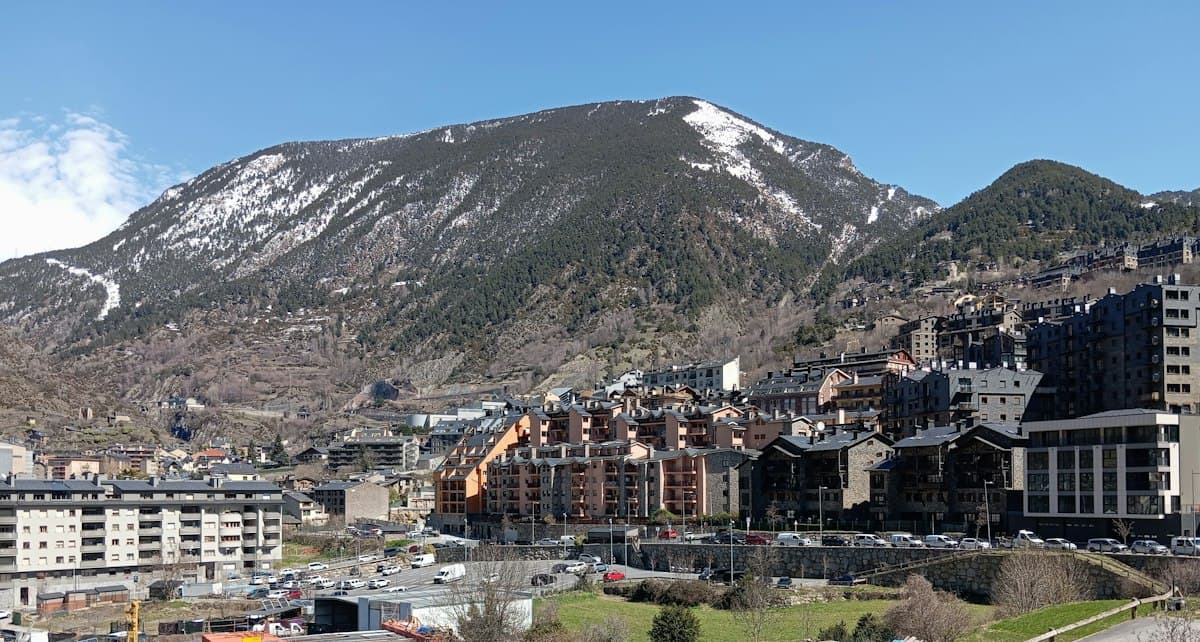
The Most Beautiful Winter Hikes in the Pyrenees
Seven winter hikes in the Pyrenees accessible without technical equipment: valleys, frozen lakes and snow-covered cirques.
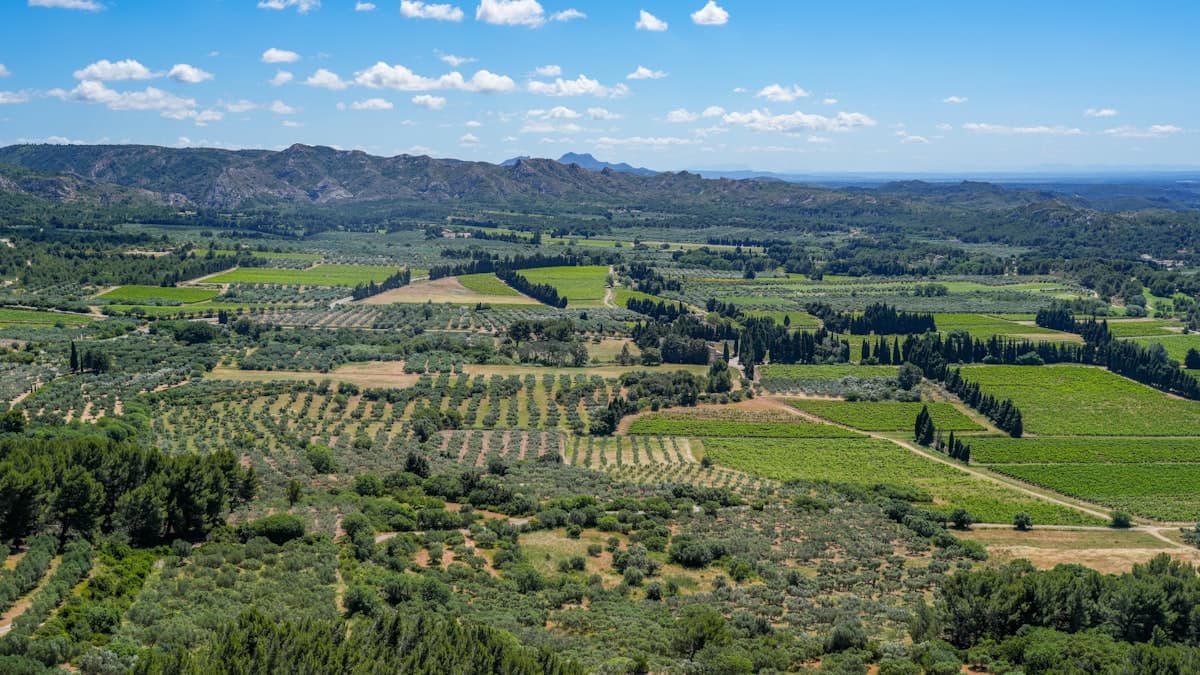
Itinerary: Crossing the Alpilles in 2 Days
Cross the Alpilles from east to west in two days: detailed stages, elevation profiles, water sources, accommodation and downloadable GPX tracks.
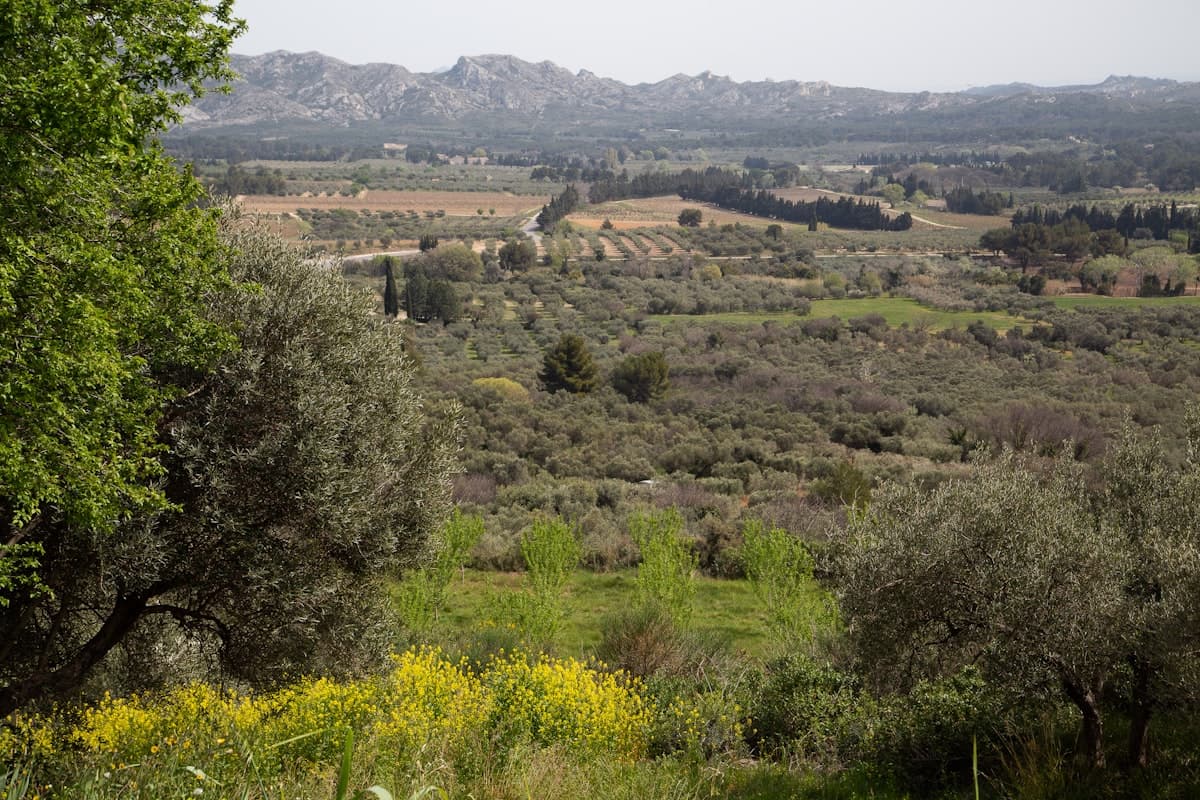
Hiking in the Alpilles: 8 Trails Through Garrigue and Olive Groves
Discover 8 must-do hikes in the Alpilles: limestone cliffs, centuries-old olive groves, perched medieval villages and sweeping views across Provence.