
Best Hiking Apps in 2026: Complete Comparison
Your smartphone has become the most versatile tool you can bring hiking. In 2026, hiking apps have reached an impressive level of maturity: offline topographic maps, accurate GPS tracking, communities of millions of users, integrated weather forecasts… There's something for every use case, every level and every budget.
But with so many options available, how do you choose? This article reviews the best hiking apps available this year, covering their strengths, limitations and tips for finding the one that matches your hiking style.
Why Use a Hiking App?
Before diving into the comparison, let's remember why a good app makes a real difference on the trail.
Simplified navigation. No more paper maps folded every which way. An app shows your real-time position on a topographic map and warns you if you stray from the trail. Essential in a massif you don't know well.
GPX track loading. Most apps let you import GPX files, giving you access to thousands of shared routes. On OpenRando, you can download tracks for hundreds of Provence hikes directly from each trail's page.
Planning from home. Plan your hike from your couch, assess the elevation gain, spot water points and mountain huts, estimate the duration — all before you've even laced up your hiking boots.
Safety. In case of an emergency, your precise GPS position can be transmitted to rescuers. Some apps even offer integrated SOS alerts.
Our Selection: The Best Hiking Apps in 2026
1. OpenRando — The Free Provence Specialist
Available on: Web (openrando.com)
Price: 100% free
OpenRando is a web platform dedicated to hiking in Provence and south-east France. With over 44,000 public GPS tracks covering the Luberon, Calanques, Verdon, Alpilles, Sainte-Victoire and many more massifs, it's the most comprehensive database for this region.
What we love:
- Massive database: over 44,000 routes in Provence and south-east France
- Free downloadable GPX tracks, compatible with all the apps in this comparison
- Interactive map with detailed elevation profile
- No subscription, no limitations — everything is accessible
- Blog with comprehensive guides on the best trails in the region
What we like less:
- No native mobile app (works via mobile browser)
- Coverage focused on Provence and south-east France, not nationwide
- No real-time GPS navigation (use GPX tracks in another app)
Best for: hikers exploring Provence who want free routes with downloadable GPX tracks to import into their preferred app.
2. Komoot — The European Standard
Available on: iOS, Android
Price: Free (regions sold separately) or Premium subscription ~€5/month
Komoot has established itself as the go-to app for European hikers and cyclists. Its routing algorithm is particularly strong for creating custom itineraries: enter your start point, destination and terrain type, and the app calculates an optimised route taking into account elevation, trail type and your fitness profile.
What we love:
- High-quality topographic maps with excellent detail across Western Europe
- "Discover" feature to find nearby hikes with community photos and reviews
- Synchronisation with most GPS watches and connected devices
- Reliable offline mode once maps are downloaded
What we like less:
- The pricing model (regions purchased individually) can get expensive if you hike across multiple areas
- The community is less dense on very local trails compared to Wikiloc
Best for: hikers who plan ahead and want a versatile hiking + mountain biking + cycle touring tool.
3. AllTrails — The World's Largest Community
Available on: iOS, Android
Price: Free (limited) or AllTrails+ at ~€3.99/month
AllTrails boasts over 400,000 routes referenced worldwide, with reviews, photos and difficulty ratings from millions of users. It's the most well-known hiking app globally, and for good reason.
What we love:
- Massive database: it's rare not to find a referenced hike
- Recent user reviews indicate near-real-time trail conditions (snow, mud, closed trails…)
- Very beginner-friendly interface
- Useful search filters (duration, elevation, difficulty, popularity)
What we like less:
- Detailed topographic maps and offline navigation are reserved for the paid version (AllTrails+)
- Coverage is less exhaustive for small local trails in France
- Route quality varies: some tracks are imprecise
Best for: beginners looking for community-validated hike ideas, and those who hike internationally.
4. Wikiloc — The Participative GPS Database
Available on: iOS, Android
Price: Free or Premium ~€10/year
Wikiloc is the ultimate participative platform: millions of GPS tracks shared by hikers worldwide, with geolocated photos, elevation profiles and varied cartography. The French community is very active, particularly for trails in Provence and the Alps.
What we love:
- Sheer volume of tracks: simply the world's largest GPS track database
- Geolocated photos along the route help you navigate easily
- Uses IGN maps in France (with subscription)
- Easy GPX export for importing into other tools
What we like less:
- Track quality is very uneven: some routes are outdated or poorly traced
- Interface is less polished than AllTrails or Komoot
- Real-time navigation is less intuitive
Best for: finding off-the-beaten-path tracks and exploring lesser-known trails thanks to community density.
5. Géoportail IGN — Official French Topographic Maps
Available on: iOS, Android
Price: Free
The IGN Géoportail (France's national geographic institute) is the only app that provides access to the famous IGN topographic maps at 1:25,000 scale — the absolute reference for hiking in France. The maps are accurate, regularly updated and include all waymarked trails.
What we love:
- Official French topographic maps, unmatched for precision
- Completely free, no subscription
- View cadastral data, aerial photos and other map layers
- Area downloads for offline consultation
What we like less:
- App ergonomics lag behind the competition
- No community features or built-in route sharing
- Less suited to real-time navigation than Komoot or AllTrails
Best for: hikers who want the IGN map in digital format, especially for preparing routes or verifying a track against a precise topographic map.
6. OsmAnd — The Full Offline Option
Available on: iOS, Android
Price: Free (limited to 7 downloads) or OsmAnd+ at ~€9.99
OsmAnd stands out for its entirely offline-centred model. Based on OpenStreetMap data, the app lets you download complete maps by region or country, then navigate without any internet connection. A strong argument in mountainous areas without mobile coverage.
What we love:
- Complete offline GPS navigation, zero network dependency
- Very detailed OpenStreetMap data, including mountain trails
- Highly customisable (navigation profiles, map renderings…)
- Free in its basic version
What we like less:
- Steep learning curve: the interface will put off beginners
- Maps aren't as precise as IGN maps for hiking in France
- Fewer community features
Best for: technical hikers who want a complete tool with full offline autonomy and are comfortable with digital tools.
7. Outdooractive — The Premium Complete Solution
Available on: iOS, Android
Price: Free (limited) or Pro at ~€5.99/month
Outdooractive (which absorbed ViewRanger) is a premium solution combining a rich route database, quality topographic maps and advanced planning tools. The app is particularly popular in the Alpine and Pyrenean massifs.
What we love:
- Quality topographic maps across all of Europe
- Advanced planning tools (3D, elevation simulation, weather)
- Integration with many outdoor smartwatches
- Editor-verified route database
What we like less:
- Quite restrictive freemium model: the free version is very limited
- Higher price than competitors for premium features
- Interface can feel cluttered
Best for: hikers who want the best 3D planning and navigation tool and are willing to invest in a complete solution.
Quick Comparison Table
| App | Price | Community | Offline maps | IGN maps | Ease of use |
|---|---|---|---|---|---|
| OpenRando | Free | ★★★☆☆ | ✅ (GPX export) | ❌ | ★★★★☆ |
| Komoot | Freemium | ★★★★☆ | ✅ | ❌ | ★★★★☆ |
| AllTrails | Freemium | ★★★★★ | ✅ (paid) | ❌ | ★★★★★ |
| Wikiloc | Freemium | ★★★★★ | ✅ (paid) | ✅ (paid) | ★★★☆☆ |
| Géoportail IGN | Free | ❌ | ✅ | ✅ | ★★★☆☆ |
| OsmAnd | Free/paid | ★★☆☆☆ | ✅ | ❌ | ★★☆☆☆ |
| Outdooractive | Freemium | ★★★★☆ | ✅ | ❌ | ★★★★☆ |
Which App to Choose Based on Your Profile?
Hiking in Provence? OpenRando is your starting point. Over 44,000 free GPS tracks covering every massif in south-east France, with GPX export to import into your app of choice.
Just starting out hiking? Begin with AllTrails. The interface is intuitive, routes are rated by the community and photos give you a clear idea of what to expect. For outings in Provence, also browse OpenRando for trails suited to your level.
An experienced hiker who plans ahead? Komoot is your companion. Its planning tools, GPS watch synchronisation and active community make it the most complete tool for preparing and enjoying your hikes.
Looking for off-the-beaten-path tracks? Wikiloc is unbeatable. Millions of tracks shared by local hikers, with photos and comments. You'll find that secret loop you're after.
Often hiking without mobile coverage? Combine OsmAnd for offline navigation with Géoportail IGN to verify French cartography. A portable battery pack is a must for long days out.
Need French cartographic precision? Géoportail IGN is indispensable. The 1:25,000 IGN map remains the absolute reference for waymarked trails in France.
Optimising Your App Usage
A few tips for getting the most out of your hiking app:
Download maps in advance. Never head out counting on mobile coverage. Even in Provence, some massifs have no signal. Always download offline maps the evening before your hike.
Import GPX tracks. On OpenRando, every trail page offers a downloadable GPX file. Import it into your preferred app for precise on-trail navigation.
Manage your battery. GPS drains a lot of battery. Reduce screen brightness, enable power-saving mode, and invest in a compact external battery for long outings.
Use a phone holder. If you hike regularly, a phone armband or clip holder avoids constant fumbling and lets you check the map without stopping.
Share your tracks. After each hike, publish your track on the platform of your choice. You contribute to the community and let other hikers enjoy your discoveries.
What's New in 2026
Several notable developments this year deserve mention:
- AI in planning: Komoot and Outdooractive now integrate AI-powered route suggestions, personalised based on your history and fitness.
- Ultra-localised weather: all major apps now provide trail-specific weather forecasts, with storm alerts and hourly clear weather windows.
- Wearable integration: synchronisation with Garmin, Suunto and Apple Watch has improved dramatically, enabling navigation without taking the phone out of your pocket.
- Augmented reality: some apps are experimenting with AR features for summit identification — still niche, but promising.
Conclusion
There's no single "best" hiking app — it all depends on your practice, level and needs.
For regular use in Provence and south-east France, we recommend Komoot for planning and navigation, combined with Géoportail IGN to check official topographic maps. If you enjoy the community dimension, AllTrails or Wikiloc will perfectly complement your digital toolkit.
In all cases, an app doesn't replace preparation. Before every outing, prepare your hike well, check the weather, tell someone your itinerary and adapt your gear to the terrain. Technology is a wonderful tool — as long as you can manage without it if needed.
Happy hiking!
As an Amazon Associate, we earn from qualifying purchases. Links marked with an external icon are affiliate links.
Related reading

Best Hiking Smartwatch 2026: GPS Watch Guide
Garmin, Suunto, Coros, Apple Watch: which hiking smartwatch is worth it in 2026? Compared by battery, GPS accuracy, weight and price.
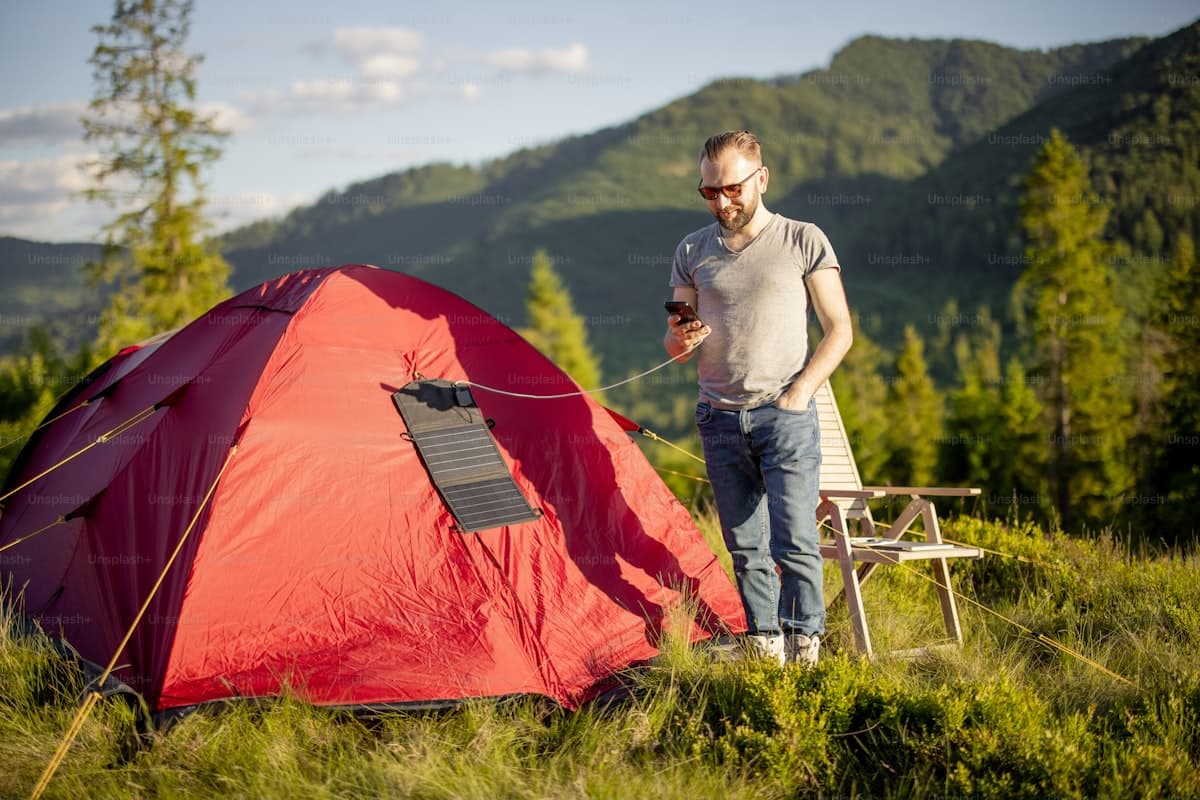
Best Portable Solar Panels for Hiking 2026
Power output, weight, durability, connectors: how to choose a portable solar panel for a day hike or a multi-day trek.
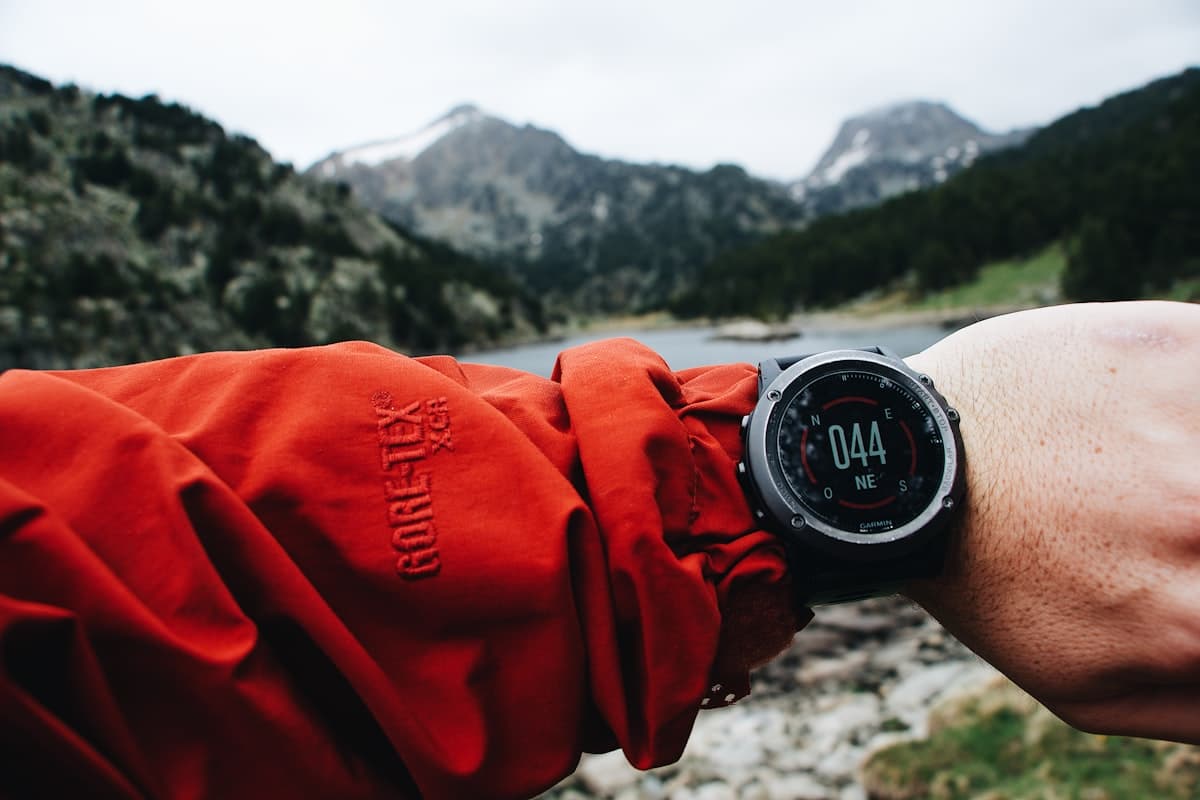
Best GPS Watches for Hiking Under €300: Which One to Choose?
The best GPS hiking watches under 300 euros compared: real battery life, track accuracy, mapping and navigation put to the test.