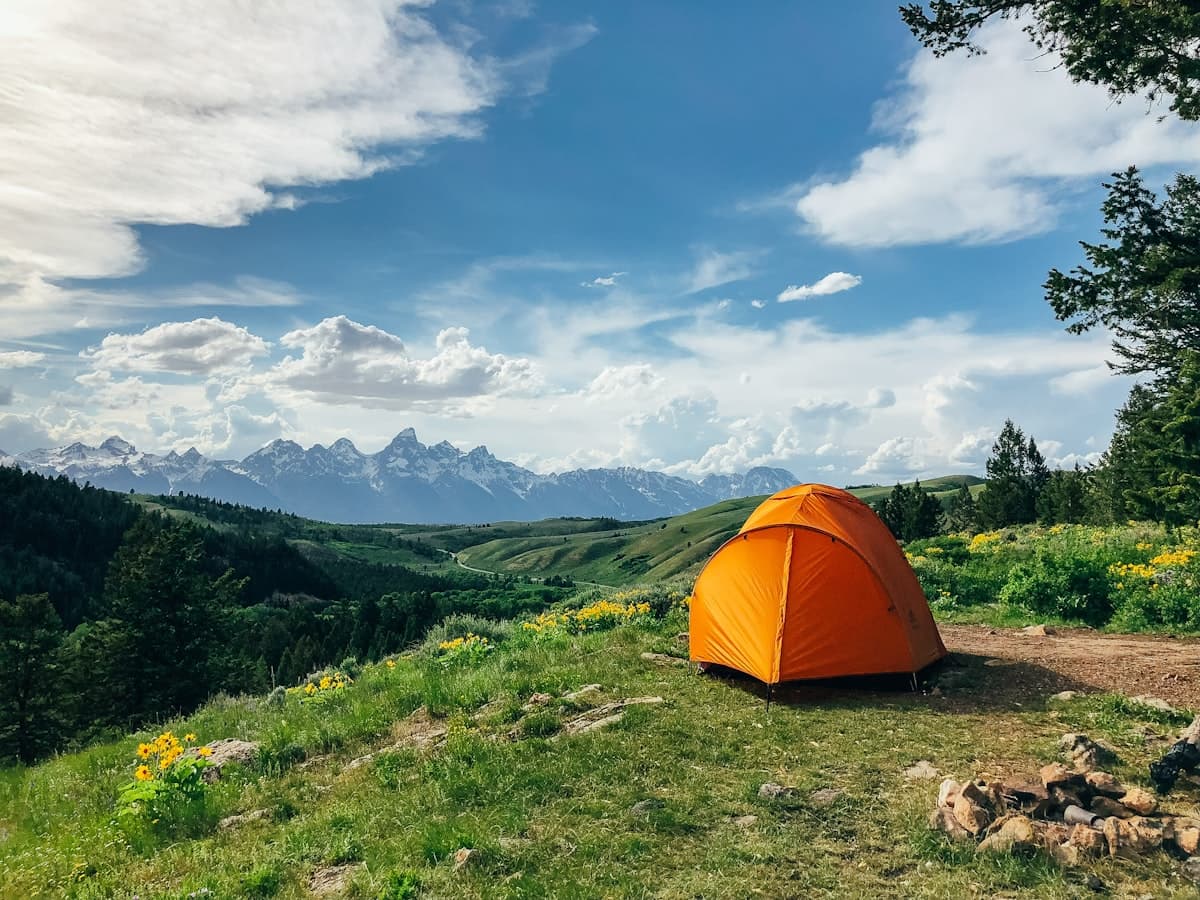
How to Choose a Hiking Tent: The Complete Guide
A hiking tent is arguably the most defining gear purchase you'll make. Too heavy, and it weighs on your back and spirits with every pass. Too flimsy, and it leaves you shivering through a mountain storm. Too small, and two nights in it turns your sleeping quarters into a coffin. Chosen right, it becomes your nomadic home — the shelter you look forward to all day long.
This guide gives you everything you need to make the right choice: tent types, weight categories, waterproofing ratings, seasons, budget, and our picks by hiker profile.
The Main Types of Hiking Tents
Dome, Tunnel, or Geodesic?
The dome tent is the most common design. Two crossed poles give it a rounded silhouette and a decent headroom. Easy to pitch, generally freestanding, it works well for most 3-season uses. Its weakness: the weight-to-livable-space ratio isn't as good as a tunnel tent.
The tunnel tent lines its poles in parallel to create an elongated interior volume, like an igloo. It's typically more spacious and lighter for equivalent volume, but requires stakes (it's not freestanding). Ideal for high-mountain bivouacs where wind direction is predictable and sites can be prepared.
The geodesic tent multiplies crossing poles for maximum rigidity. Heavier, it's reserved for extreme conditions: high altitude, polar expeditions, winter camping. For summer hiking in Provence or the Southern Alps, it's overkill.
Freestanding or Non-Freestanding?
A freestanding tent stands up without stakes. It can be moved once pitched — handy for orienting it into the wind or finding the right spot on difficult terrain. Downside: it's usually heavier.
A non-freestanding tent requires stakes and guylines to hold shape. It tends to be lighter and cheaper for equivalent weight, but demands ground that accepts stakes (rocky terrain can be a challenge).
Single Wall or Double Wall?
Double-wall construction is the norm for 3 and 4-season tents. The inner layer (mesh or thin fabric) breathes and prevents condensation from forming on your sleeping surface. The outer fly is waterproofed and creates a buffer airspace. Heavier, but far more comfortable on cold nights.
Single-wall construction is reserved for ultralight tents or tarps. Lighter, but suffers more from condensation — a real issue in humid environments like forests or alpine meadows.
Key Criteria for Choosing a Tent
Weight: The Backpacker's Obsession
Weight is often the first criterion, and rightly so: every gram you save on your tent follows you for kilometres on end. Here's how the categories break down:
| Category | Weight | Best for |
|---|---|---|
| Ultralight | < 1 kg | Experienced hikers, long-distance routes, minimalists |
| Lightweight | 1–1.5 kg | Regular hikers, summer/autumn bivouacs |
| All-round | 1.5–2.5 kg | 3-season hiking, weekend trips |
| Family | > 3 kg | Car camping, children, comfort first |
Watch out: the weight quoted by manufacturers is often the "bare tent" weight (without stakes, without stuff sack). Always check the total packed weight.
Waterproofing: The Hydrostatic Head Rating
The hydrostatic head measures how water-resistant your fabric is, expressed in millimetres (mm). Here are the thresholds to know:
- < 1,500 mm: dry conditions only, not recommended for hiking
- 1,500–2,000 mm: light rain, 3-season use in mild conditions
- 2,000–3,000 mm: sustained rain, summer storms — recommended for the Alps and Pyrenees
- > 3,000 mm: extreme conditions, torrential rain, high mountains
Most good 3-season hiking tents offer 2,000–3,000 mm for the fly and at least 5,000 mm for the floor (which is in constant contact with wet ground).
Interior Space and Headroom
A 2-person tent for two adults is often a tight fit. If you need to bring gear inside (bags, shoes, food), look for a tent with a generous vestibule — often more useful than extra sleeping space.
Headroom matters for in-tent comfort: getting dressed in the morning while crouching under 80 cm gets old fast over several nights. Tunnel tents generally offer better headroom than dome tents of equivalent weight.
Ease and Speed of Setup
In the dark, in the rain, with numb fingers after 30 km of hiking, you'll want to pitch your tent in 10 minutes flat. Look for colour-coded poles, clips rather than sleeves on the inner, and pre-attached stakes on the footprint.
Practice pitching your tent at home before your first trip — the first time shouldn't be at midnight on a mountain ledge.
3-Season or 4-Season?
For the vast majority of hikers in France — including mountain hiking — a 3-season tent is more than sufficient. It handles cold altitude nights, summer thunderstorms, and autumn rain without being excessively heavy.
A 4-season tent is built for harsh winters: heavy snow load, strong winds, extremely low temperatures. It's heavier, less ventilated (more condensation in summer) and significantly more expensive. Unless you regularly ski tour or do winter expeditions, skip it.
Our Picks by Hiker Profile
The Solo Ultralight Hiker
If you're targeting long distances — GR long-distance trails, alpine crossings — and every gram counts, go for a solo ultralight tent or a tarp paired with a bivy sack. The best ultralight 1-person tents come in under 900 grams all in.
For this profile, also think carefully about your down sleeping bag — it's the tent/sleeping bag combo that defines your total sleep system weight.
The Duo or Couple
The 2-person tent is the best-selling format — for good reason. Today's lightweight 2-person tents offer an excellent weight-to-comfort ratio, typically 1.2–2 kg for two. Pay attention to interior width (two adults need at least 120 cm) and length (>210 cm for taller hikers).
With a hiking partner, you can also split the load: one carries the tent, the other the sleeping mats. This balances your packs and optimises total weight carried.
The Family
When hiking with children, comfort trumps weight. 3 or 4-person tents with a central cabin allow the whole family to gather without cramming. Look for a tent with an easy-to-operate zip entrance that young children can manage, and a thick floor for the little ones' comfort.
For tips on hiking with children, check out our guide to family hiking with kids.
Essential Accessories
A great tent alone isn't enough: it's your entire sleep system that makes the difference.
- Self-inflating or air mat: insulate yourself from the ground, even in summer. A lightweight sleeping mat provides both comfort and thermal insulation (the R-value rating measures this insulation).
- Season-appropriate sleeping bag: check the comfort rating, not just the extreme limit (which can be misleading).
- Footprint (groundsheet): protects the tent floor from rocks and moisture. Some manufacturers offer custom-fit footprints — or cut lightweight tarp to your tent's exact dimensions.
- Lightweight aluminium stakes: those bundled with budget tents are often mediocre. Quality aluminium stakes make a real difference on hard ground.
Bivouac Regulations in France
Before pitching your tent in the wild, make sure you know the rules. In France, bivouacking (less than 24 hours) is tolerated in some national and regional parks but prohibited in others. In national parks, regulations vary by zone (core zone/buffer zone).
Our complete article on bivouacking in France: regulations and best practices breaks down zone by zone what's allowed and the golden rules for eco-responsible bivouacking.
For hikers who prefer not to camp, our guide to mountain refuges in Provence-Alpes lists the best places to sleep on the trails without a tent.
Budget: What to Expect
| Budget | What You Get |
|---|---|
| < €100 | Entry-level, heavy (2.5–3 kg), limited waterproofing. Fine for occasional family outings. |
| €100–250 | Good weight/waterproofing compromise, mid-range brands. Works for regular 3-season hiking. |
| €250–500 | Quality lightweight tents (Vaude, Salewa, MSR, Nemo). The sweet spot for serious hikers. |
| > €500 | High-end ultralight (Big Agnes, Hilleberg, Zpacks). For enthusiasts and big-distance routes. |
Invest in a quality tent if you sleep outdoors regularly. If you only bivouac once or twice a year, a mid-range tent at €150–200 will serve you perfectly well.
Care and Lifespan
A well-maintained tent lasts ten to fifteen years. A few simple rules:
- Never pack a wet tent — open it and let it dry completely before folding
- Re-waterproof the fly every two years with a DWR spray
- Store the tent loosely (or rolled in a large sack) rather than compacted tight to preserve pole elasticity
- Repair small tears immediately with the adhesive patches supplied
Find Your Next Bivouac Adventure
With the right tent in your pack, OpenRando's territory opens up to new possibilities: summits at sunset, high-altitude lakes under a starlit sky, multi-day crossings.
Our Explore page lets you filter routes by duration and difficulty to find trails suited to your first bivouac — or your next great traverse. To plan your multi-day outing from start to finish, check our multi-day trek preparation checklist.
As an Amazon Associate, we earn from qualifying purchases. Links marked with an external icon are affiliate links.
Related reading
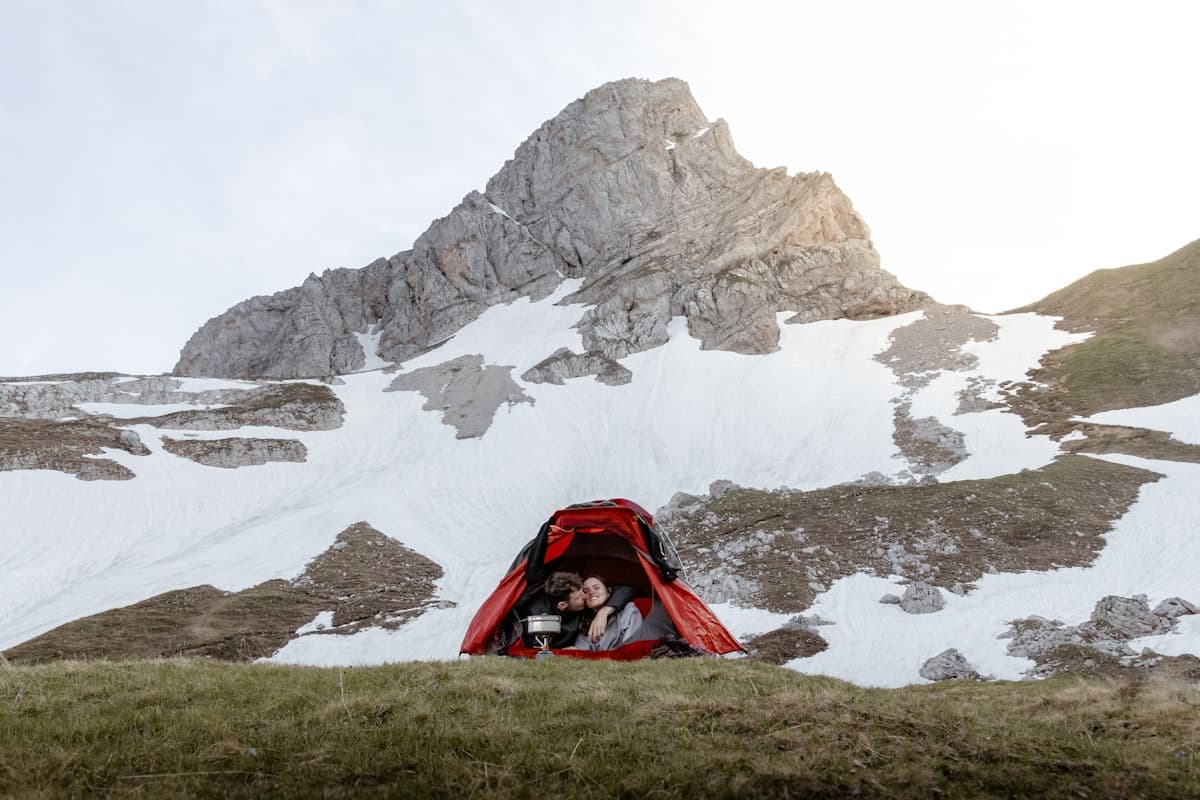
The Best Sleeping Bags for Bivouacking: Complete 2026 Guide
How to choose the best sleeping bag for bivouac hiking? Down vs synthetic, comfort temperature, weight — our complete selection for sleeping under the stars.
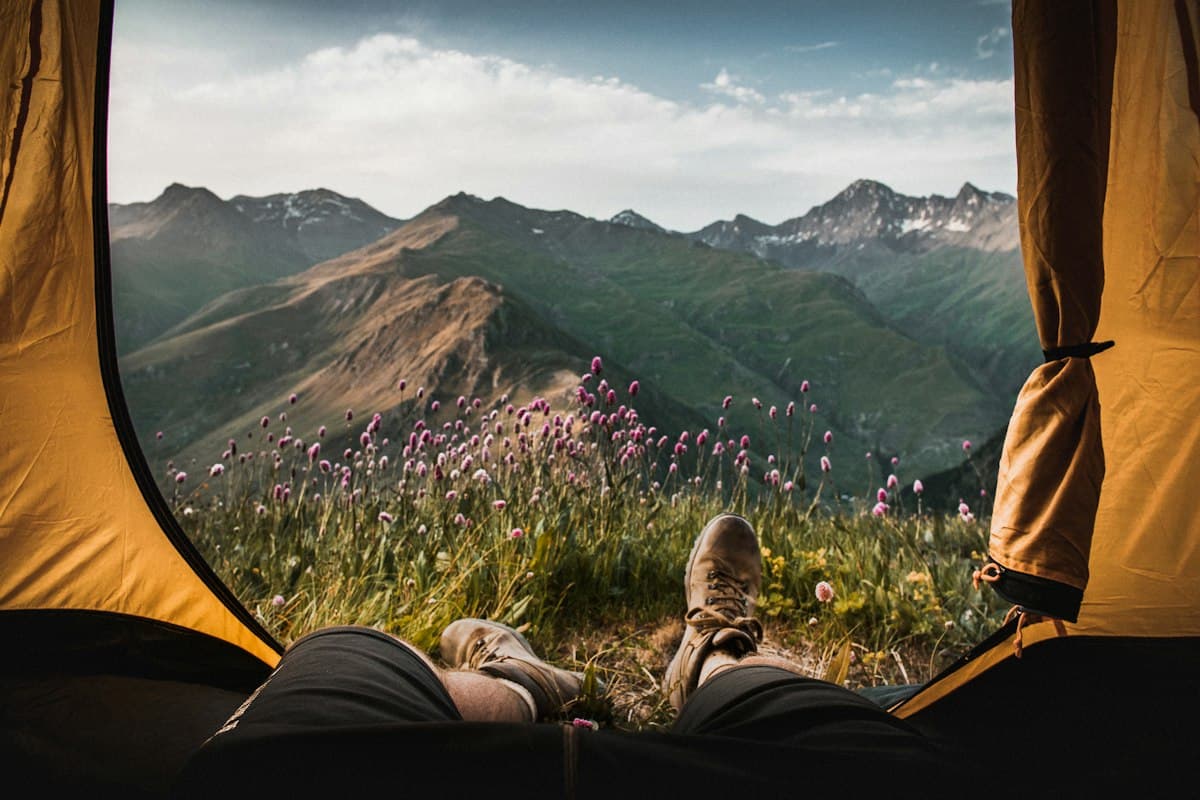
Sleeping Pad Comparison 2026: How to Choose for Backpacking and Bivouacking
Choosing a sleeping pad for backpacking: R-value explained, inflatable vs foam vs self-inflating, weight and real comfort. Six pads compared by season.
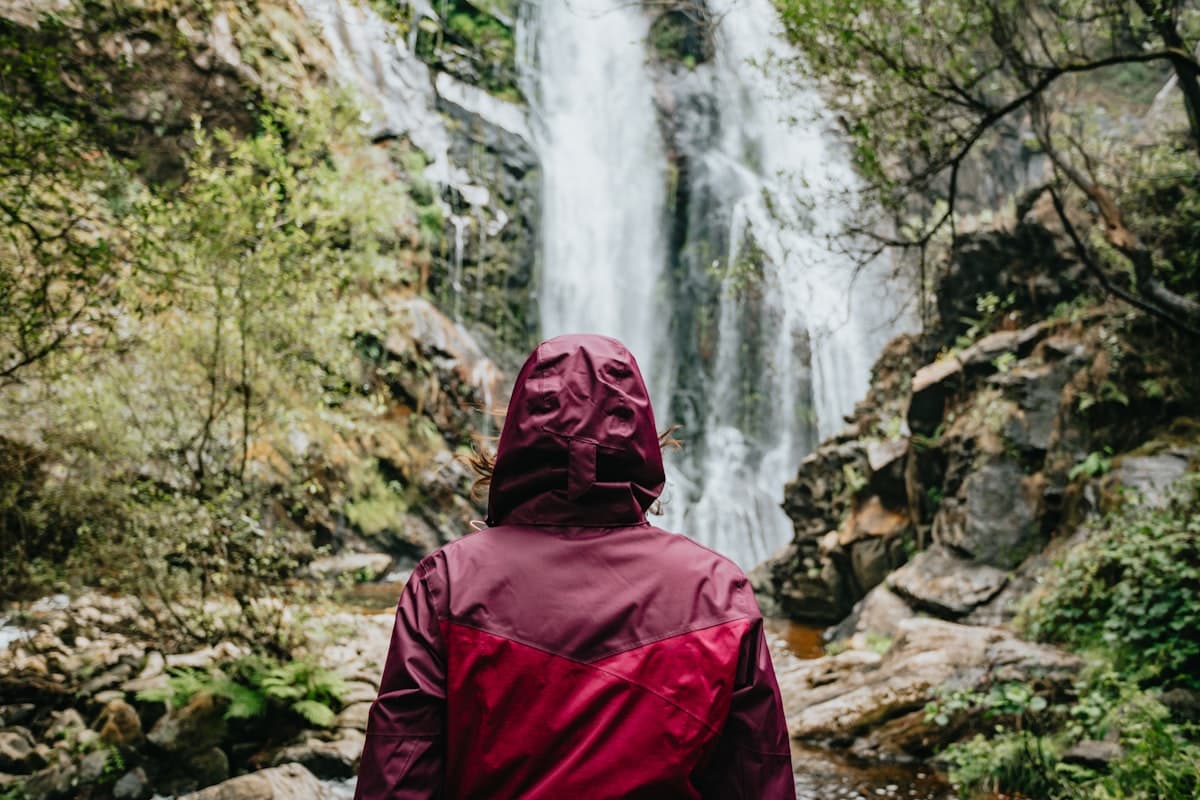
Gore-Tex vs eVent: Best Waterproof Jackets 2026
Gore-Tex, eVent, Pertex Shield, 2L or 3L: how to pick a waterproof hiking jacket for your terrain and budget in 2026.