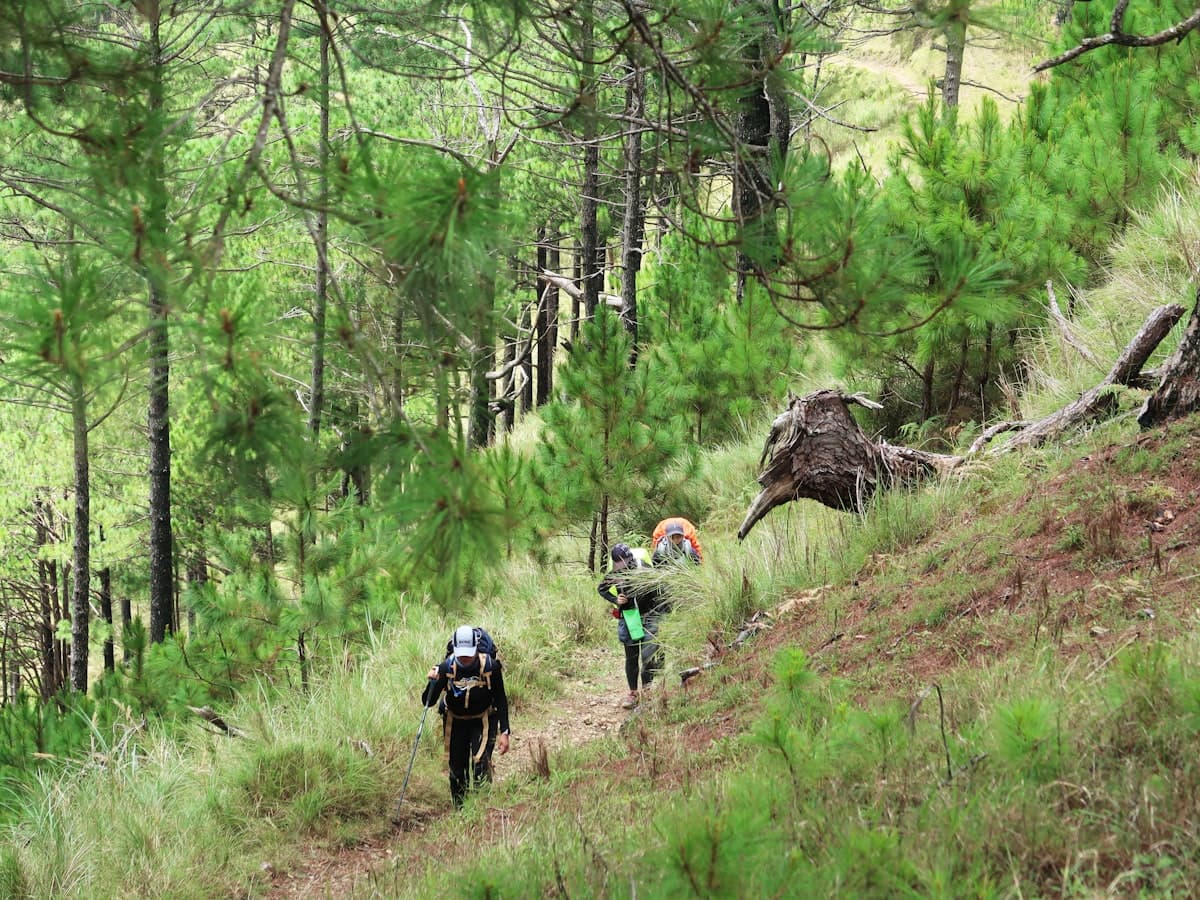
Preparing a Multi-Day Trek: The Complete Checklist
A multi-day trek is a completely different experience from a day hike. Autonomy, pack weight, energy management and sleeping in the wild all come into play. A hasty preparation can turn a dream adventure into a nightmare: blisters, a freezing night without the right gear, or running out of water in the midday heat. A well-prepared trek, on the other hand, is one of the most rewarding experiences you can have.
This complete checklist covers everything you need to verify and pack before setting out on a multi-day route — whether it's in Provence, the Southern Alps or on a long-distance GR trail.
Step 1: Preparation Before You Leave
Before putting a single item on the ground, the mental and logistical preparation is crucial.
Choose and Study Your Route
- Check the overall difficulty: cumulative elevation gain, daily distance, technical terrain.
- Identify water points along the route (springs, fountains, streams). In Provence, some massifs are almost completely dry in summer.
- Locate refuges, gîtes or authorised bivouac spots along the route. Check local rules — bivouacking in France is regulated differently depending on the area (national parks, nature reserves). Read our guide on bivouacking in France.
- Download the GPX file of the route onto your phone or GPS. Consult our guide on how to use a GPX file so you won't be caught unprepared.
- Inform a trusted person of your route, planned stages and expected return date.
Check the Weather
The weather can change everything. In the mountains, a spring storm can arrive very quickly. Check forecasts 5-7 days ahead on specialist services (Météo France montagne, windy.com) and plan a safety margin. If you're hiking in the Mercantour or the Southern Alps, pay close attention to afternoon thunderstorm warnings in summer.
Prepare Your Body
A multi-day trek demands more physical fitness than a simple day walk. In the weeks leading up to it:
- Complete several 4 to 6 hour outings with a loaded pack (minimum 5-8 kg).
- Break in your trekking boots — blisters on day 1 can ruin an entire week. Read our guide on how to choose the right hiking boots.
- If you're sleeping in a tent, do one or two test bivouacs near home to verify your gear.
Step 2: The Backpack — Capacity and Loading
Choosing the Right Capacity
For a multi-day trek in full autonomy (tent camping, cooking on a stove):
- 45-55 L: sufficient for 3-4 days with careful gear selection.
- 55-70 L: ideal for 5-7 days, or if you're carrying more comfort items (2-person tent, heavier food).
- Over 70 L: reserved for itineraries lasting more than a week or winter conditions.
The 60-litre trekking backpack is the most versatile choice for the vast majority of 4 to 7 day treks.
For hut-to-hut treks (no tent or cooking), a 30-40 L pack is more than enough.
How to Load Your Pack
- Bottom: sleeping bag and night clothes (rarely used during the day, no need for easy access).
- Middle: tent and tarp, food, stove and gas. Heavy items close to your back and at the centre of the pack.
- Top: day clothes, windproof layer, easily accessible food for the day.
- Side pockets and front pocket: water bottles, snacks, map, sunscreen, first aid kit.
Step 3: The Complete Equipment Checklist
Navigation
- IGN map at 1:25,000 scale for the area (paper, waterproofed if possible)
- Compass
- GPS or smartphone with hiking app and offline GPS downloaded
- Power bank (minimum 10,000 mAh for several days)
- Charging cable
For more guidance, see our article on how to navigate without GPS.
Clothing
- Base layer (breathable t-shirt or long-sleeved UV-protection top) — avoid cotton, choose merino wool or synthetics
- Fleece or softshell (mid-layer)
- Waterproof jacket with membrane (Gore-Tex or equivalent)
- Trekking trousers or shorts + lightweight leggings
- Underwear (1 per day, or 2-3 in merino wool that can be washed each evening)
- Hiking socks (1 pair per day + 1 spare)
- Lightweight gaiters (depending on terrain)
- Sun hat or cap
- Buff / neck gaiter
- Lightweight gloves (even in summer — useful at altitude or in cool conditions)
The lightweight waterproof hiking jacket is essential even in fair weather — mountain storms arrive fast.
Sleeping and Shelter
- Sleeping bag appropriate for the season (check the comfort temperature rating, not just the limit)
- Sleeping bag liner (for huts or very warm nights)
- Sleeping mat (foam or inflatable)
- Tent or tarp + lightweight groundsheet
- Extra pegs and bungee cords
The 3-season down sleeping bags offer the best warmth-to-weight ratio for spring and summer treks at altitude.
For lightweight shelter solutions, ultralight bivouac tents can dramatically reduce your total pack weight.
Cooking and Water
- Camp stove (gas, alcohol or multi-fuel depending on autonomy needed)
- Gas canister (allow roughly 1 small canister per 3-4 days)
- Lightweight pot (titanium or aluminium, 0.5-1 L)
- Lightweight utensils (spork or spatula-spoon)
- Insulated mug or bowl
- Matches or lighter (always in a waterproof pocket)
- Water bottle or hydration bladder (2-3 L total capacity)
- Water filter or purification tablets (vital in mountain zones where springs may be contaminated)
- Rubbish bags for all waste
- Small sponge or cloth for cleaning
The ultracompact gas camping stoves are essential for cooking a hot meal at your bivouac.
Hygiene and Care
- Minimalist toiletry bag: biodegradable soap, toothbrush, toothpaste
- Toilet paper + small sealed bag for waste
- Small trowel (for burying waste at least 70 m from water sources)
- Wet wipes
- High-protection sunscreen (SPF 50+ in the mountains)
- Lip balm with UV protection
- Insect repellent (depending on zone and season)
Safety and Emergencies
- First aid kit — see our guide on what to put in your first aid kit
- Emergency blanket (featherlight and potentially life-saving)
- Whistle (distress signal)
- Headtorch with new batteries + spare batteries
- Mobile phone fully charged (aeroplane mode to save battery in areas without signal)
- Emergency numbers written on paper: 15 (SAMU), 18 (fire brigade), 112 (European emergency), 114 (SMS emergency)
- European Health Insurance Card for trips abroad
Step 4: Food for the Trek
Calculating Calorie Needs
During an intensive trek, calorie needs rise significantly: plan for 3,000 to 4,500 kcal/day depending on intensity, temperature and your build. Food should be:
- Lightweight (less than 500 g of food per person per day)
- Calorie-dense (high-energy foods)
- Easy to prepare (freeze-dried meals, pasta, rice, couscous)
- Varied to keep motivation high over several days
Typical Daily Menu
Breakfast: porridge or muesli + powdered milk + dried fruit + coffee or tea.
Day snacks (in your pack's top pocket): nuts, almonds, dried apricots, cereal bars, squares of dark chocolate, hard cheese.
Lunch: light and quick — expedition bread or crackers + dried sausage/tuna + dried fruit.
Dinner: the main meal, cooked on the stove — freeze-dried soup + pasta/rice/couscous with protein (tuna, dried ham, dehydrated eggs) + dessert (fruit compote, chocolate).
The freeze-dried meals for trekking are an excellent dinner solution: lightweight, quick to prepare (just add boiling water) and available in many flavours.
Step 5: Post-Trek Logistics
Return and Recovery
- Arrange a shuttle vehicle or public transport from the finish point if your route is linear.
- Leave your itinerary with a contact, including your expected return time.
- If you're more than 12 hours late, your contact should know who to call.
During the Trek: Good Practice Rules
- Leave no trace — pack out everything, including cigarette butts and banana skins.
- Camp on previously used spots or well away from paths and water sources.
- In protected zones (National Parks), bivouacking is often only permitted within one hour's walk of a refuge — always check local rules.
- Respect wildlife: avoid nesting areas, never feed wild animals.
Ready to Head Out?
A multi-day trek in Provence or the Southern Alps is a transformative experience. With good preparation, suitable gear and a flexible attitude towards the unexpected, you'll come back with memories for a lifetime.
To find your next route, explore hikes available on OpenRando — filter by duration, difficulty and geographic area to plan an adventure at your own level. The Southern Alps, the Mercantour and the Verdon offer some of the most beautiful multi-day itineraries in France.
As an Amazon Associate, we earn from qualifying purchases. Links marked with an external icon are affiliate links.
Related reading
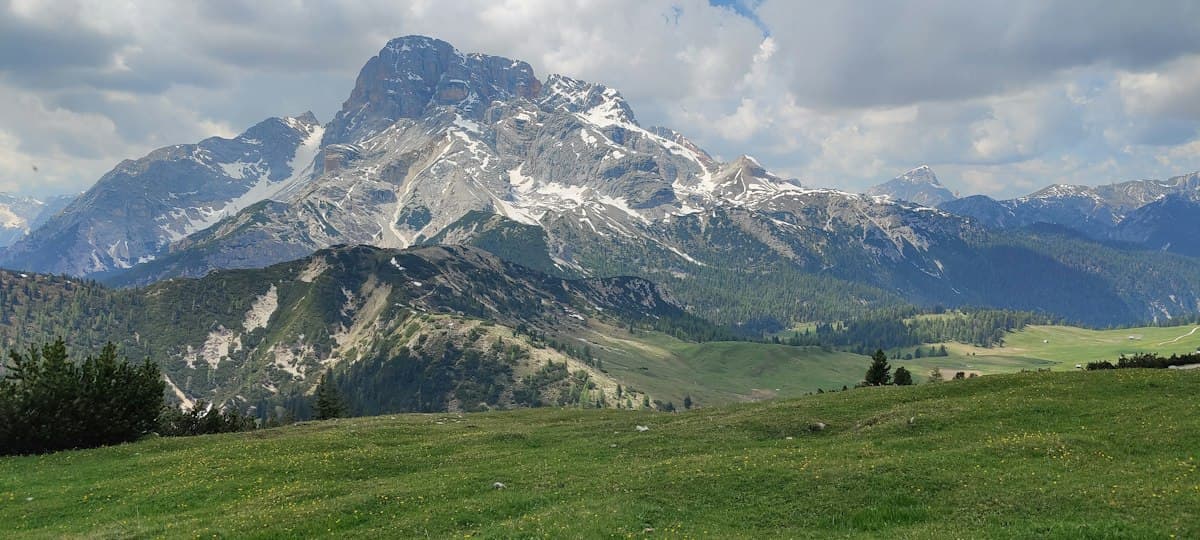
Itinerary: Tour of the Dévoluy in 3 Days
Hiking the full circuit of the Dévoluy massif in three days: stages, refuges, elevation profiles, and everything you need to know about water in this dry limestone range.
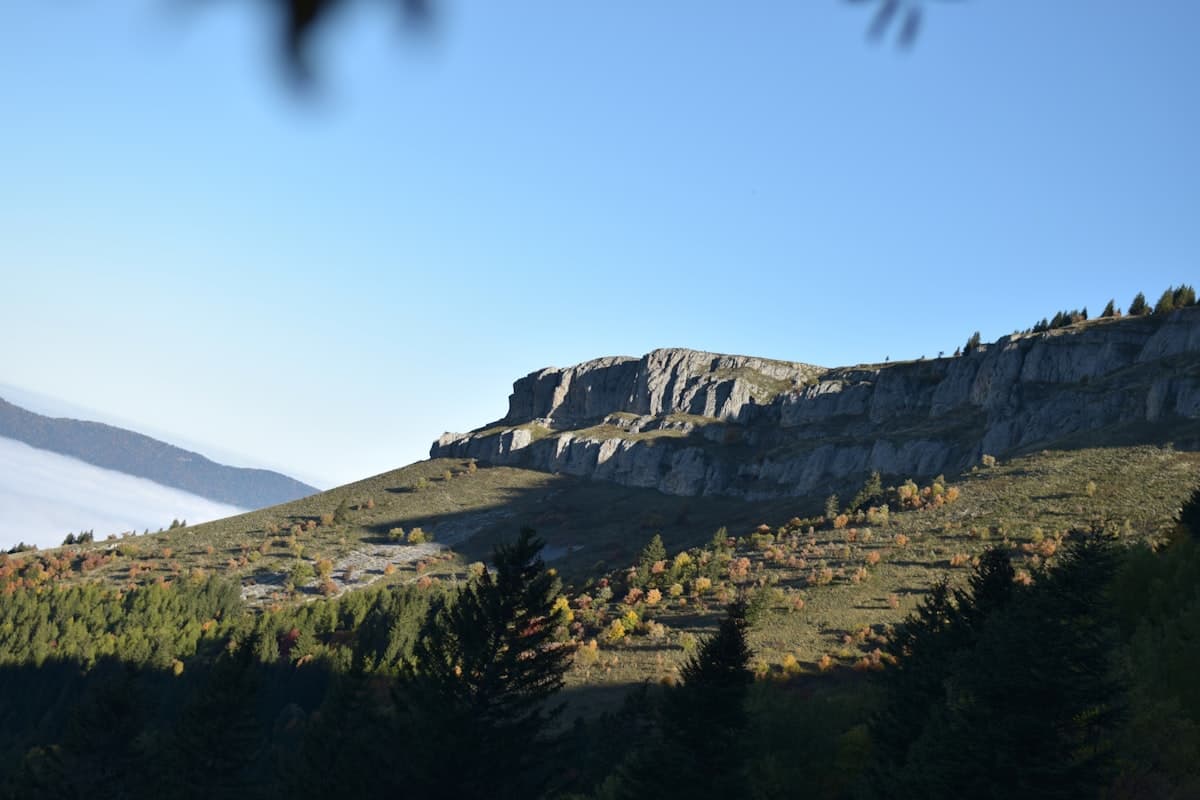
Itinerary: Crossing the Vercors in 4 Days
Crossing the Vercors in four days: stages, elevation profiles, refuges and mountain huts, rare water sources and GPX tracks for each day. A complete guide to the Hauts Plateaux traverse on the GR91.
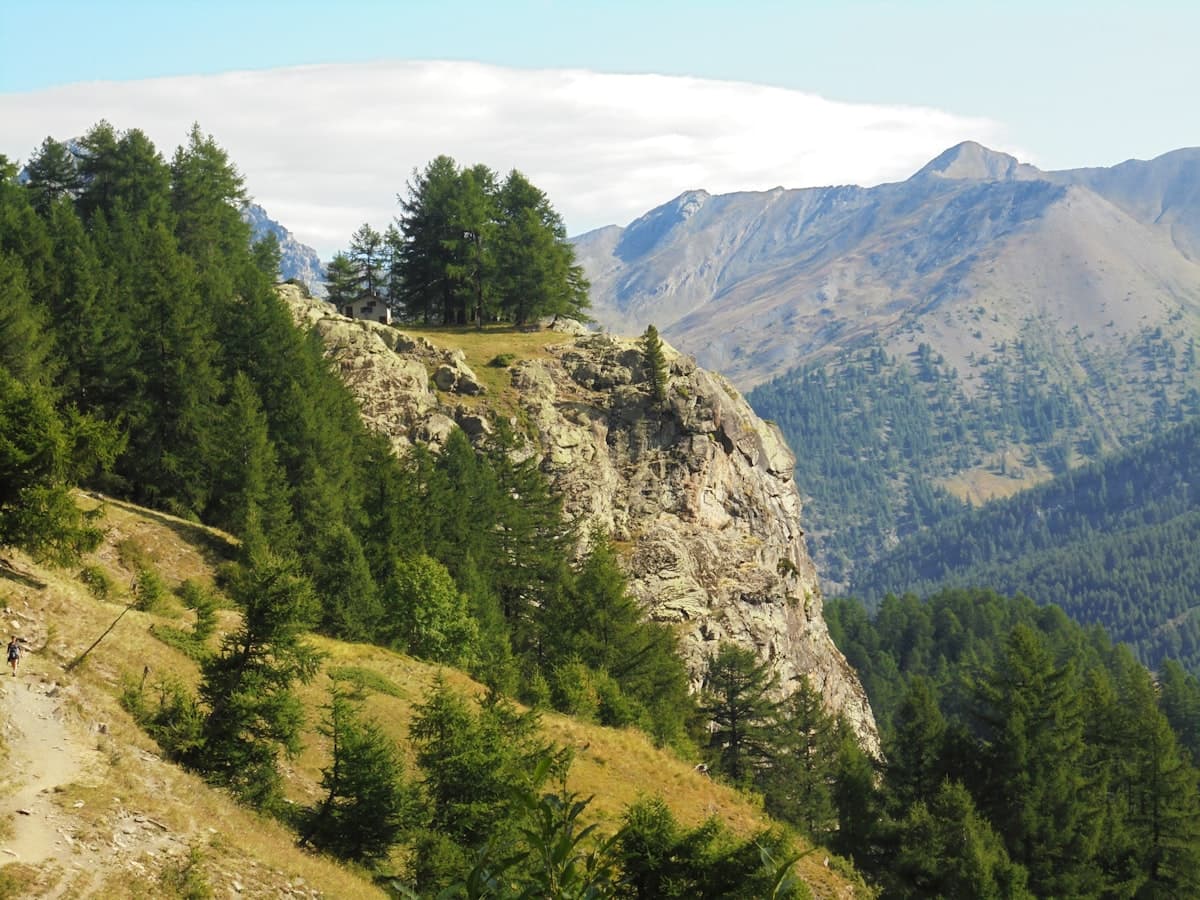
Itinerary: The Queyras Tour in 5 Days
Discover the Queyras Regional Natural Park on a 5-day hiking tour: from Arvieux to Ristolas via Saint-Véran, high-altitude lakes and the Italian border passes. Stages, elevation, accommodation and tips for an unforgettable trek in the Hautes-Alpes.