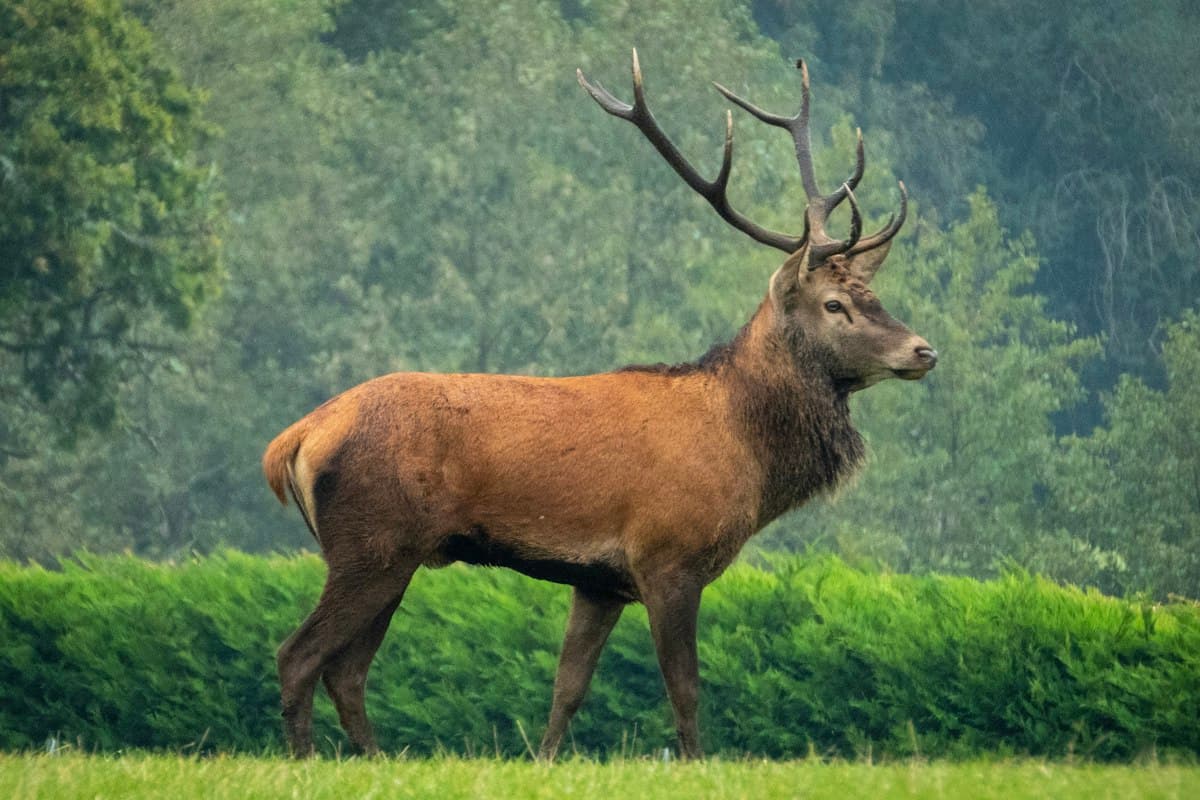
The Deer Rut: How to Hike Without Disturbing the Animals
Every autumn, France's forests fill with a sound that stops you in your tracks: the deer rut. This deep, powerful, almost primordial bellow echoes from valley floors and forest edges for just a few weeks each year. It draws thousands of hikers — and with them, a problem most don't consider: disturbance.
This article takes a different approach from the usual "best spots to see the deer" guides. Because the goal shouldn't be to see; it should be to listen. And because the line between wonder and disturbance is sometimes just a few dozen meters wide.
1. What Is the Rut, and When Does It Happen?
The rut is the call of the male red deer (Cervus elaphus) during the mating season. It's an acoustic competition and attraction behavior: the dominant stag announces his presence, challenges rivals, and calls hinds. A single stag can bellow hundreds of times through the night.
The rut season runs from mid-September to mid-October, peaking around the first two weeks of October depending on the area. It rarely lasts more than three to four weeks in any given location.
In France, red deer are present in virtually all major forests: Fontainebleau, Sologne, the Ardennes, Vosges, Massif Central, Pyrenees, and Alps. Each massif has its own timing and deer density, but the window is short everywhere.
One thing most people don't know: the rut doesn't happen all night or all day. It concentrates into two very specific windows.
2. The Two Golden Hours: Dusk and Dawn
Red deer bellow primarily during the two transitions of light: the hour before sunset and the hour after sunrise. Between these windows, rutting calls become sparse. On warm, calm nights, rutting can be intense throughout, but this varies.
Planning your outing:
- Evening: arrive at least 30 to 45 minutes before sunset to get in position. Rutting often starts before the sun touches the horizon.
- Morning: be in position no later than 30 minutes before sunrise. The first calls may ring out in complete darkness.
These twilight or dawn outings demand warm layers: October temperatures in the forest can dip to 5°C at dawn with high humidity. A good fleece jacket that doesn't rustle when you compress it is essential — crackling fabrics carry far in quiet forest air.
3. Listen Instead of Trying to See
This is where most outings go wrong: you hear the rut, you want to see the stag, so you move closer. Don't.
Red deer have hearing, a sense of smell, and motion detection that far exceed our own. The animal will detect you long before you spot it. A deer that detects you will:
- Immediately stop rutting for the rest of that night.
- Flee with the hinds, scattering the group at a critical moment in the reproductive cycle.
- Potentially abandon its rutting territory if disturbances repeat.
The principle is simple: stay still, keep your distance, and be content to listen. The acoustic quality of a bellow heard from 200 meters away — from a stable, patient position — is worth infinitely more than an approach attempt that silences everything.
If you do want to observe visually, invest in quality binoculars. An 8×42 magnification offers an excellent balance of low-light brightness (critical at dawn and dusk), range, and portability. You'll maintain a safe distance while still experiencing the scene.
Also avoid white headlamps when approaching your position at night. If you need to move in the dark, use red-light mode: wildlife is far less sensitive to it. A headlamp with red light mode should be part of your standard kit for this type of outing.
4. Disturbance: What It Costs the Animals
The rut is an enormous energy expenditure for the stag. A male can lose 20 to 30% of his body weight over two to three weeks, sleeping little, barely eating, calling and fighting constantly. Every interruption represents lost energy and a missed reproductive opportunity.
Beyond the individual, repeated disturbance on a known site can:
- Shift mating, resulting in fawns born outside the optimal spring window.
- Push animals toward areas less accessible to hikers, reducing the biological richness of frequented forest spaces.
- Create documented chronic stress, measurable in the physiological parameters of animals in high-traffic zones.
This is why several forest managers (ONF, regional natural parks) have put temporary protection measures in place on certain sites during the rut season.
5. Guided Listening Sites Across France
The best way to experience the rut is through a guided outing with a professional naturalist. Nature guides, ONF rangers, and park animators offer autumn rut outings that include:
- Pre-planned positioning that avoids disturbing active rutting zones.
- Up-to-date knowledge of which areas are active this season.
- A silent approach protocol designed for minimal impact.
Some well-known forests with organized outings:
- Fontainebleau Forest (Île-de-France): the ONF runs annual outings that fill up fast — advance booking required.
- Compiègne Forest: one of France's densest red deer populations, several local operators.
- Sologne (Loir-et-Cher): private forests, some accessible through lodges or certified guides.
- Northern Vosges: Regional Natural Park with wildlife animation programs each autumn.
- Pyrenees (Ariège / Pyrénées-Orientales): deer in valley floors, manageable altitude in October.
- Rambouillet Forest: intense rutting, easy access from the Paris region.
To find an organized outing near you, contact your local ONF territorial office or the nearest Regional Natural Park.
If you prefer going solo, check local restrictions first. Some sectors are closed during the rut to protect animals — consult the management plan for the relevant national forest.
6. Silence, Light, and Scent: The Three Rules
Whether you go alone or guided, three rules apply without exception.
Silence
Deer hear everything. Speak in a whisper, or don't speak at all. Avoid crackling synthetic fabrics. Move slowly, lifting your feet rather than shuffling them. Silence phones completely — not on vibrate, fully silent.
Light
Avoid white headlamps once you're near the rutting zone. If you need to move in the dark, use red mode. Don't take flash photos. Bright white light disorients wildlife and triggers an immediate flight response.
Scent
This is the most often forgotten factor. A red deer can smell a human from several hundred meters downwind. Always position yourself into the wind — meaning the wind blows from the deer toward you, not the other way around. A light breeze in your face is your ally. Wind at your back rules out the spot entirely.
Avoid perfumes, strong deodorants, and smoking on the day of a rut outing. Your clothes will carry household odors that you can't fully control, but you can minimize the effect by storing your outing clothes in a sealed bag with a few local forest branches beforehand.
Pairing the Rut with Other Autumn Discoveries
The forest at dawn or dusk in October offers far more than the rut. It's also mushroom season, the migration corridor for common cranes passing overhead, and fox territory.
If twilight and night hiking interest you more broadly, our guide Night Trails in Provence covers the essentials for hiking safely after dark.
And if the rut has sparked an interest in ethical wildlife observation while hiking, explore our guide Observing Wildlife While Hiking: The Right Approach for year-round practices.
The deer rut is one of the rare natural phenomena that makes France's forests literally audible. It's an experience that stays with you — as long as you approach it with the quiet it demands. Listen more, advance less, and the forest will give back more.
As an Amazon Associate, we earn from qualifying purchases. Links marked with an external icon are affiliate links.
Related reading

How to Watch Wildlife Without Disturbing It: Best Practices
Watch mountain wildlife without disturbing it: flight distance, best times of day, wind positioning and sensitive periods to avoid.
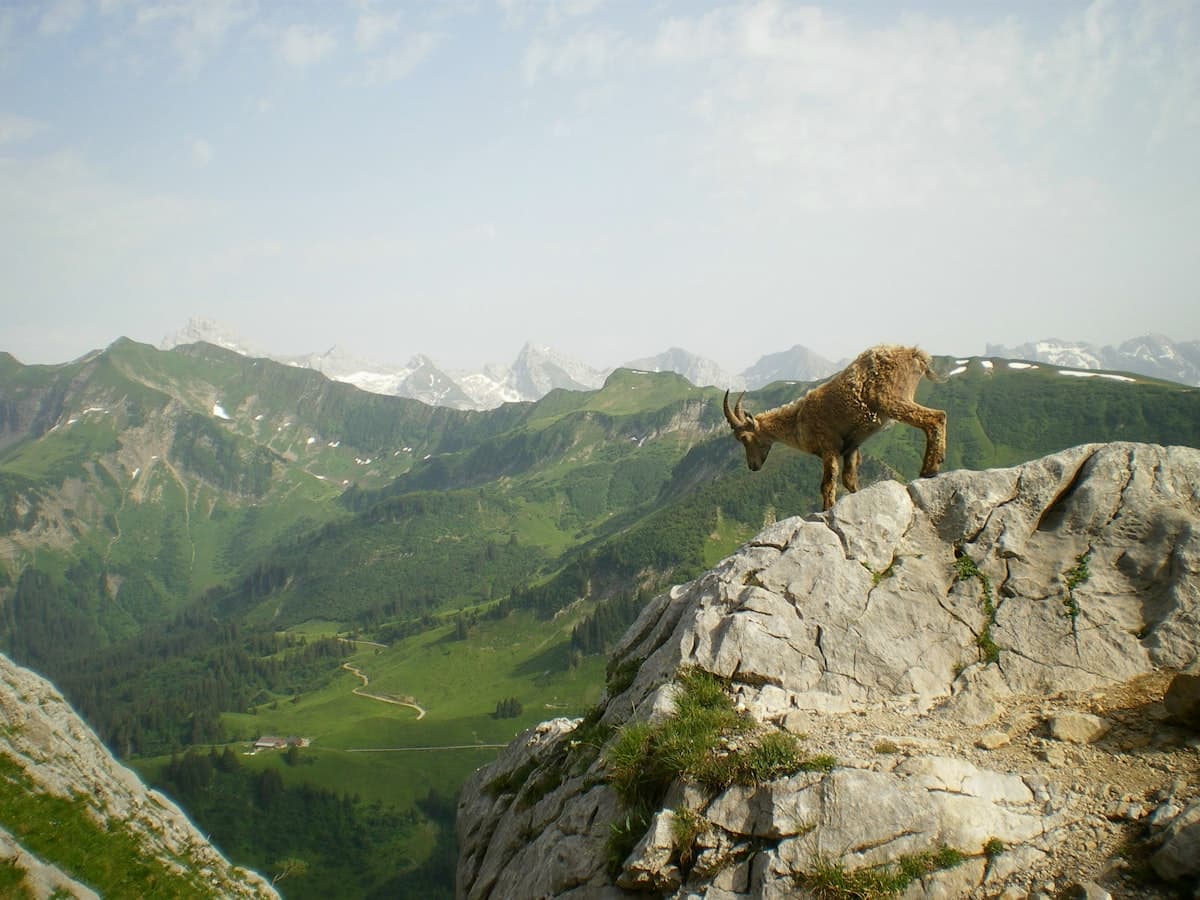
Wildlife to Spot While Hiking in Provence
Mouflons, Bonelli's eagles, wild boar, ocellated lizards or cicadas: Provence shelters a rich, often discreet wildlife. Here's how and where to observe it on the trail — without disturbing it.
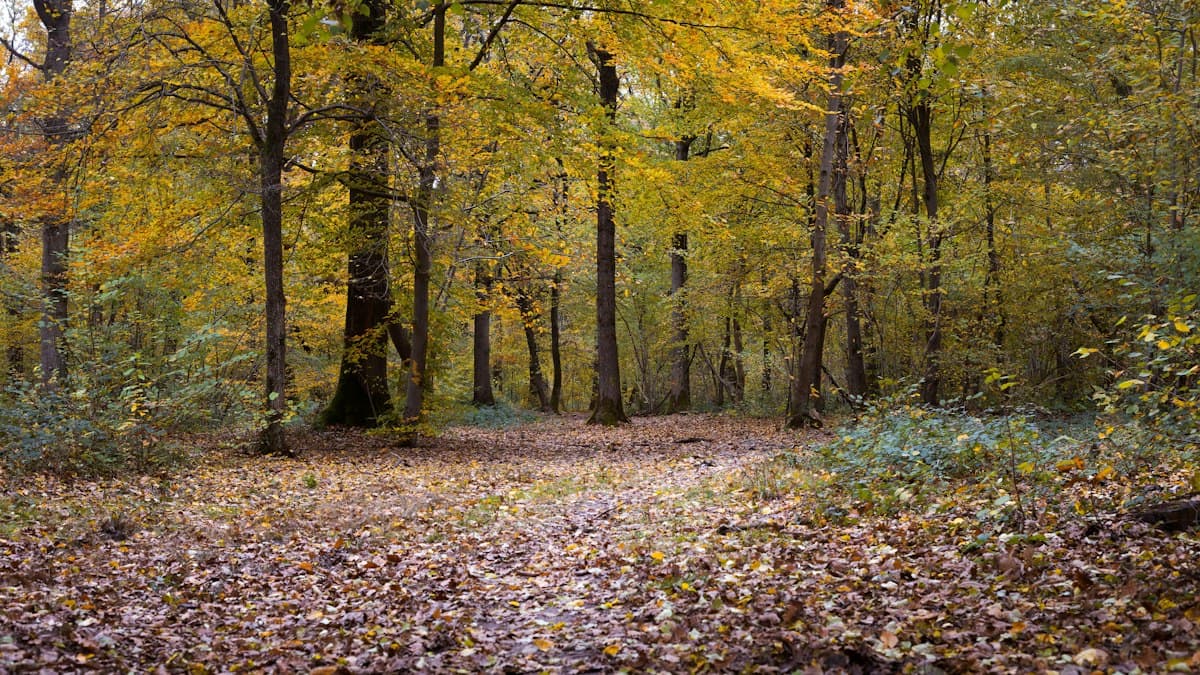
Where to See the Most Beautiful Autumn Colours in France
The ten most beautiful French mountain ranges for hiking through autumn colours, with the optimal timing for each area.