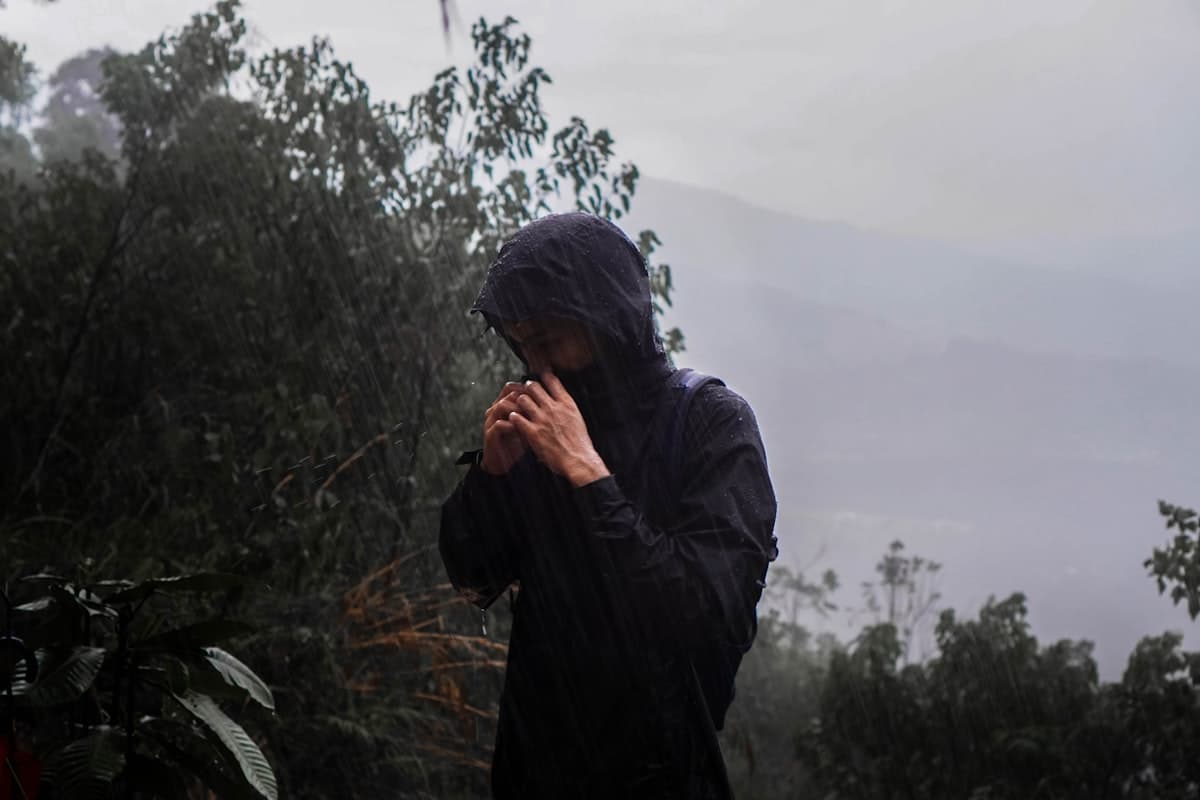
Hiking in the Rain: Tips and Essential Gear
The sky darkens, the first drops begin to fall. Should you turn back or press on? For many hikers, rain automatically means the end of the outing. Yet hiking in the rain is not only possible — it can be magnificent. Forests smell of wet resin, streams roar, colours become more intense, and the trails empty of their usual crowds.
The key is preparation. With the right equipment and a few behavioural adjustments, rain transforms from a constraint into an experience in its own right. This comprehensive guide gives you everything you need to hike in the rain with confidence.
Waterproof Gear: The Absolute Priority
Hiking in the rain without appropriate equipment exposes you to hypothermia, discomfort, and an early return. Your waterproof layer is your first line of defence.
The Rain Jacket: the Heart of the System
A waterproof hiking jacket is the most important investment in your wet-weather kit. A few essential criteria:
- Waterproofing: measured in millimetres of water column (mm). For hiking, aim for at least 10,000 mm. Above 20,000 mm, you're protected even in heavy rain.
- Breathability: measured in grams of water vapour transmitted per m² over 24 hours (g/m²/24h). A poorly breathable garment keeps you dry on the outside but sweat will soak you from within. Aim for a minimum of 15,000 g/m²/24h.
- Membranes: Gore-Tex (market benchmark), eVent, Pertex Shield, and H2No (Patagonia) are all reputable membranes. 3-layer membranes (3L) are more durable and lighter; 2-layer versions with a lining are more affordable.
- Cut: choose a cut that allows freedom of arm movement and can easily be pulled over your mid-layer. Check that the hood covers your forehead and stays in place in wind.
- DWR treatment: the durable water repellent (DWR) applied to the outer surface makes water bead up. It wears with washing and use — reactivate it periodically with a warm iron (low fabric setting).
With proper care, a good jacket will last ten years. Don't cut corners on quality.
Waterproof Trousers
Often overlooked, your lower body is actually the first to suffer when walking in rain: legs brush against wet vegetation, water runs down rocky faces, and puddles show no mercy. A pair of waterproof hiking trousers — or at least a pair of ultralight waterproof over-trousers that slip on over your usual trousers — will transform your experience.
Lightweight options (100–200 g) are easy to tuck into your pack for outings where rain is possible but uncertain.
Protecting Your Pack
Your backpack is not waterproof — even if it claims to be "water-resistant". Rain seeps through seams, zips, and ventilated back panels. Two solutions:
- A rain cover: supplied with some packs, sold separately otherwise. Simple and effective, though it doesn't protect the base panel that sits against your back.
- Internal dry bags: place sensitive contents (clothing, food, electronics) inside waterproof compression sacks or sturdy bin bags. The most reliable solution.
On hikes in Provence, where summer thunderstorms can catch you off guard, combining both approaches is recommended.
Footwear: The Critical Point
Feet are the hardest part of the body to keep dry. Unlike your jacket — where moisture comes from outside — shoes must also evacuate perspiration from within, a delicate balance.
Gore-Tex Membranes for Footwear
Hiking boots with a Gore-Tex membrane offer the best waterproofing while maintaining reasonable breathability. They stay dry when crossing modest streams, walking through wet grass, or in light to moderate rain.
An important limitation: if water enters over the top of the boot (fully submerged shoe, prolonged heavy rain), Gore-Tex alone won't be enough. In that case, it may be better to accept wet feet and choose shoes that dry quickly.
Gaiters: The Often-Forgotten Solution
Hiking gaiters are particularly useful in rain: they prevent water from running into your boots along your ankle, extend the effectiveness of your membrane, and keep the bottom of your trousers clean. Lightweight (100–200 g a pair), they slip into a pocket.
Technical Socks
A good merino wool hiking sock stays insulating even when wet, unlike cotton which retains moisture and promotes blisters. Always pack a spare pair in a dry bag.
Navigation and Safety in the Rain
Rain reduces visibility, makes rocks slippery, and can turn a peaceful stream into a torrent within minutes. A few safety rules are essential.
Adapting Your Step and Awareness
In wet conditions, rocky surfaces, roots, and clay patches become dangerously slippery. Take shorter, slower steps, place your foot flat rather than on the toe, and use trekking poles: they double your contact points and dramatically reduce the risk of falling.
Where water runs along the trail, follow the marked route rather than detouring — wet grass off-trail is often more treacherous than a flooded path.
Monitor Water Levels
In the mountains and Provençal scrubland alike, flash floods can occur very rapidly, even without rain directly above you (upstream rainfall). Never attempt to cross a flooded watercourse. If the level rises while you're crossing, turn back immediately without hesitation.
On trails through the Calanques or the Luberon, certain ravine passages can become hazardous within minutes during Cévennes-type storms.
Protecting Your Electronics
Your phone — GPS, camera, power bank — must be shielded from rain. Slip it into a waterproof pouch or protective case. Don't rely on a jacket pocket: zip fasteners are generally not waterproof.
Download GPX tracks offline before departing, as mobile signal is often absent in mountain areas. Our article on how to navigate without GPS covers traditional navigation skills — invaluable when technology fails you.
Managing Heat and Cold
Rain combined with wind creates significant wind chill. A temperature of 12°C in driving rain can feel like 4°C. Layering management is essential.
The Three-Layer System
- Base layer: a technical material that wicks perspiration away from your skin (merino wool or recycled polyester). Never wear cotton against your skin in bad weather.
- Mid layer: thermal insulation (fleece or synthetic down jacket). Synthetic down retains its insulating properties even when wet, unlike natural down.
- Outer layer: your waterproof jacket. It blocks wind and repels water.
Manage your layers while walking: it's better to feel slightly cool at the start than to overheat in the first five minutes and end up soaked in sweat inside your waterproof.
Managing Breaks
Your body cools very quickly whenever you stop in the rain. During food or photography breaks, put on an insulating layer immediately. Bring a thermos with a hot drink: a soup or hot tea mid-hike is a genuine physical and morale booster in wet weather.
Packing for a Rainy Hike
Here's a quick checklist for your next wet-weather outing:
- Waterproof jacket (always, even in fine weather — in the pack)
- Ultralight waterproof over-trousers
- Lightweight gaiters
- Spare socks in a dry bag
- Internal dry bags to protect pack contents
- Waterproof gloves (spring and autumn at altitude)
- Thermos with hot drink
- Easy-to-eat snacks without getting them wet (bars, dried fruit)
- Head torch — storms can bring darkness prematurely
- Emergency survival blanket — lightweight (50 g) and essential against hypothermia
The Unsung Benefits of Hiking in the Rain
Hiking in wet weather offers unique experiences that fine weather simply cannot provide.
The trails empty out. Fair-weather walkers stay home. You enjoy a peace and solitude that no sunny weekend can offer — particularly precious on popular routes like the Luberon or the Calanques.
The light changes. Under a grey sky or just after a shower, light is soft, diffuse, and shadowless. Landscape photographers know that rain provides exceptional conditions: colours deepen in saturated foliage, wet trails glisten, and mist drifts through valleys.
The forest awakens. The scents of garrigue, wet pine, and damp earth — what scientists call petrichor — are impossible to experience any other way. Vegetation is greener, birds sing differently, and certain wildlife — mushrooms, snails, frogs — appear only in rain.
Mental resilience. Accepting meteorological discomfort, adapting your pace and decisions in real time, returning soaked but proud of having completed your route: this is a form of resilience that builds with every difficult outing.
After the Hike: Equipment Care
Once home, looking after your wet gear is crucial to preserving its performance.
- Waterproof jacket: rinse in cold water, wash with a specialist product (Nikwax Tech Wash), dry at low temperature then tumble-dry or iron gently (wool setting) to reactivate the DWR.
- Boots: remove insoles, stuff the boots with newspaper, and dry at room temperature — never near a direct heat source that would warp the sole.
- Backpack: turn it inside out if possible, open all pockets, air-dry.
- Trekking poles: dry the grips and locks, loosen locking mechanisms to prevent seizing.
Well-maintained equipment lasts two to three times longer. It's also a matter of economy.
Rain should never be sufficient reason to stay on the sofa. With the right gear and the right reflexes, it becomes an additional dimension of hiking — sometimes challenging, often unforgettable. Next time the forecast announces showers, browse our routes on OpenRando, kit yourself out properly, and go. The wet trails have something to tell you that fine weather keeps to itself.
As an Amazon Associate, we earn from qualifying purchases. Links marked with an external icon are affiliate links.
Related reading
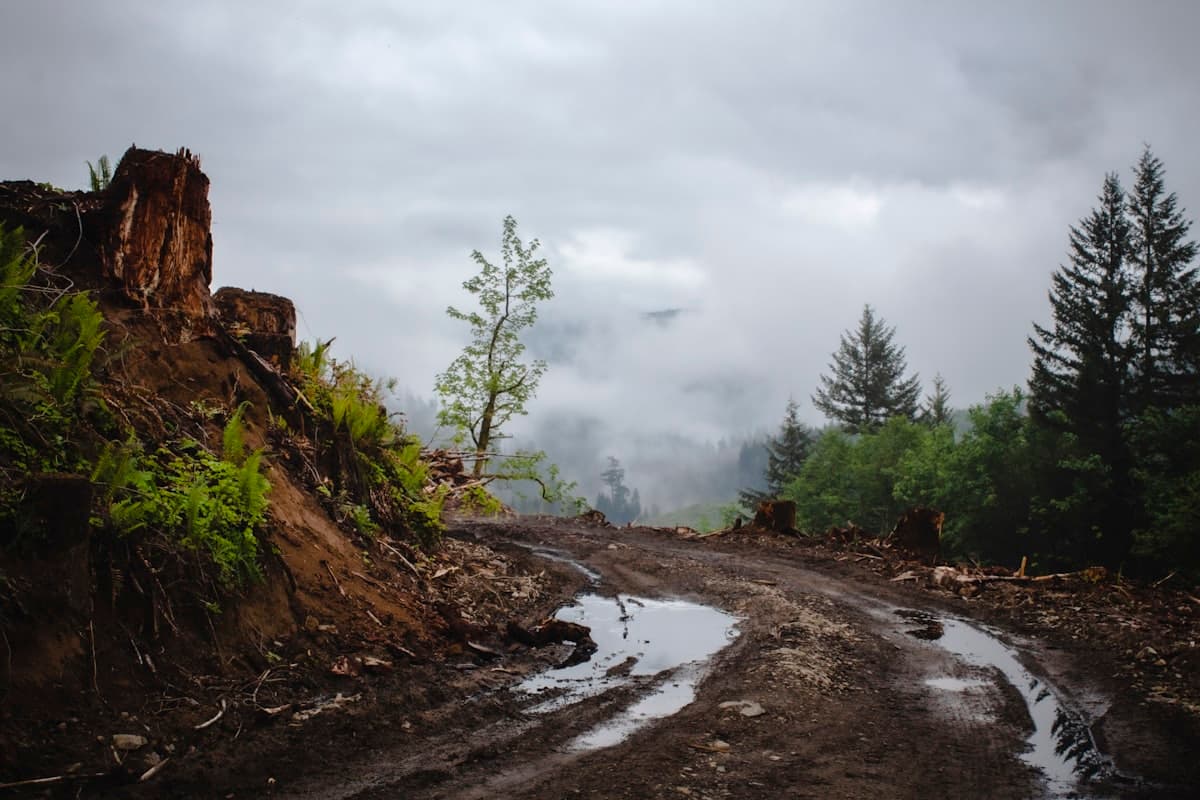
Hiking After Rain: Muddy Trails and Flooded Streams
Hiking after heavy rain: how to assess trail conditions, safely cross a flooded stream, and know when to turn back.
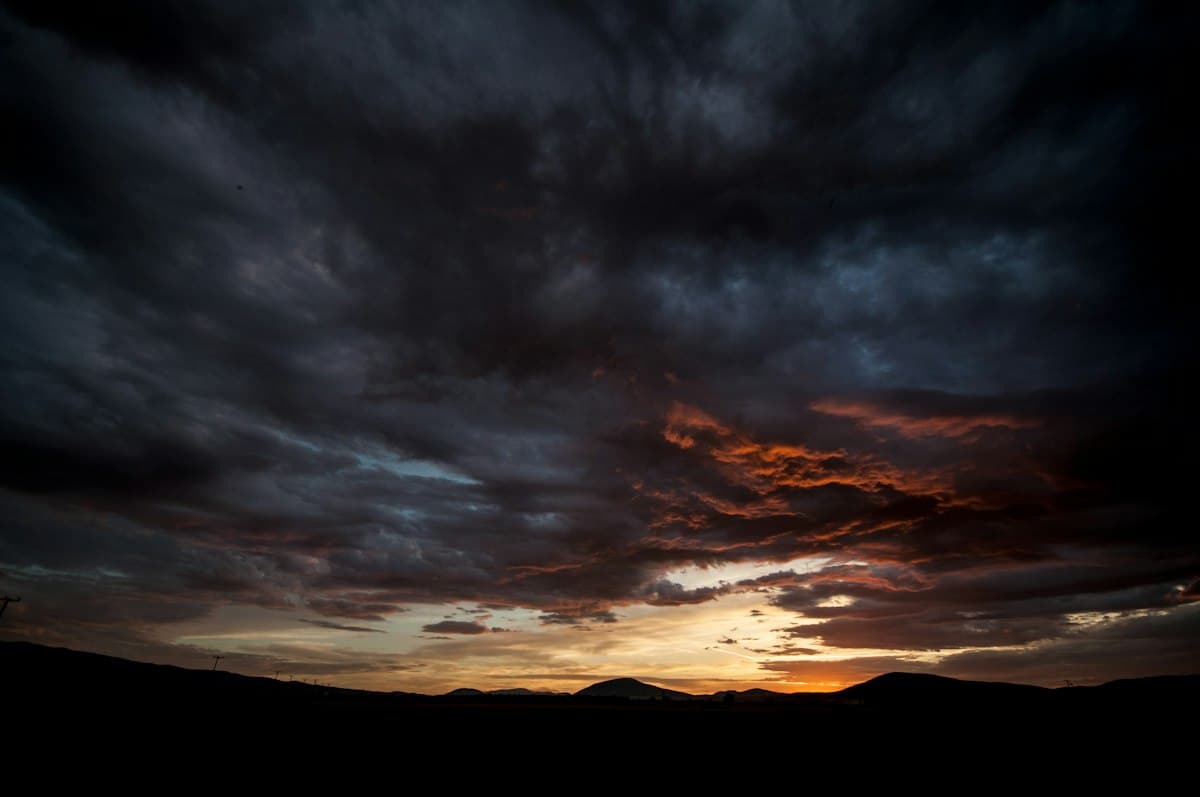
Reading Mountain Weather: Clouds, Wind, and Storms Without an App
How to anticipate mountain weather without a forecast app: identify storm clouds, read wind shifts, and estimate time before lightning strikes.
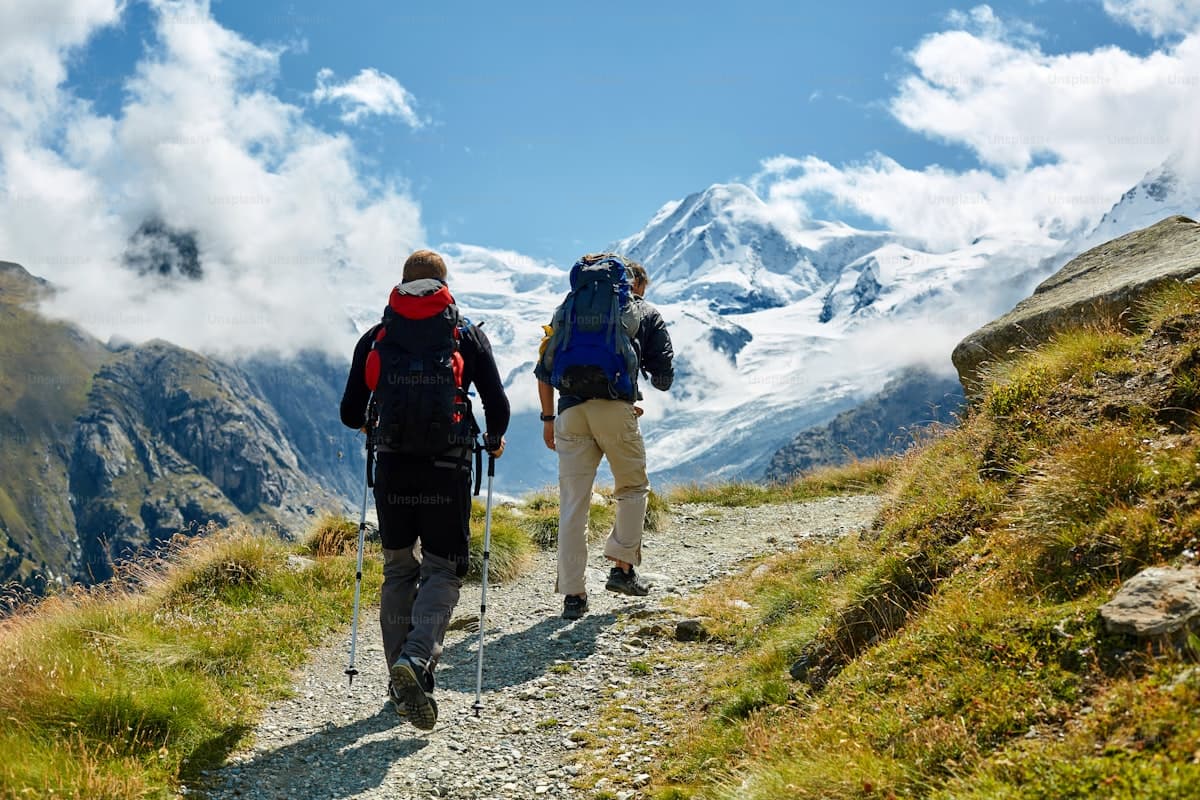
Hiking safely: the mistakes you absolutely must avoid
Poor preparation, wrong gear, underestimated weather… Discover the 10 most common hiking mistakes and how to avoid them to enjoy the mountains with complete peace of mind.