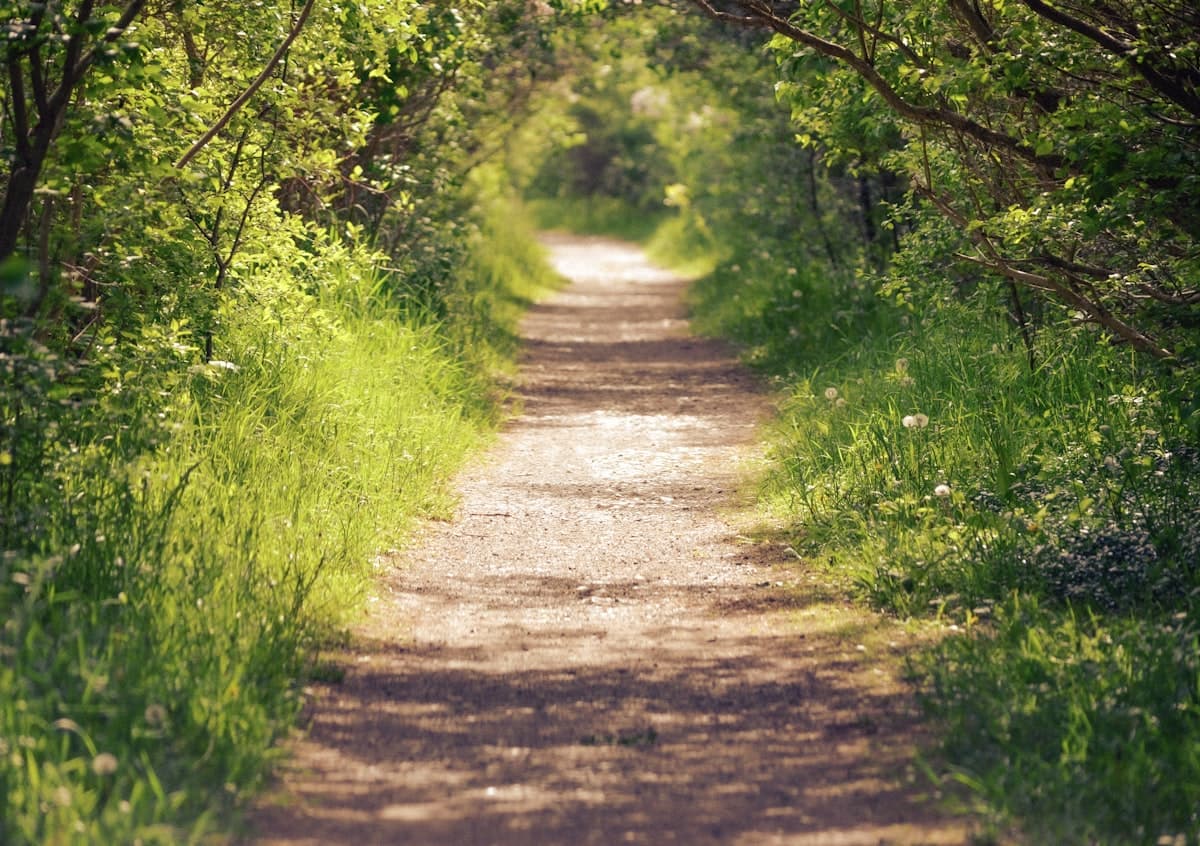
Off-Road Wheelchair Hiking: Equipment and Accessible Trails
Hiking in nature is not the exclusive territory of those who move on two legs. For the past two decades, increasingly sophisticated equipment has been opening up trails, passes and even summits to wheelchair users and people with reduced mobility — places that once seemed permanently out of reach. This guide covers the three main equipment categories — the joëlette, the all-terrain wheelchair (ATW), and the off-road handcycle — and explains how to identify trails that are genuinely accessible before you head out.
Three Families of Equipment
Accessible hiking solutions fall into three distinct categories, each suited to different needs and levels of independence.
The joëlette is a single-wheeled chair (one large central wheel) carried by two to four companions, one at the front and one at the rear. The user requires no physical effort — they simply sit. The joëlette can tackle highly technical terrain — scree slopes, narrow paths, snowy passages — and reach mountain summits, provided the accompanying team is fit and well coordinated.
The all-terrain wheelchair (ATW) is a manually or electrically powered chair mounted on oversized wheels, often with a motorcycle or mountain-bike tyre profile and deep-grip tread. The user propels themselves independently or with electric assistance along wide paths, forest tracks, and certain accessible waymarked trails. It is the solution for independence.
The off-road handcycle is a one- or three-wheeled arm-powered bicycle designed for unpaved surfaces. It suits people with good upper-body strength and allows covering long distances along greenways, forest tracks, and compacted paths.
Each category has its own logistical constraints: the joëlette requires recruiting trained volunteers, the ATW needs adapted transport, and the handcycle demands regular physical conditioning. The right choice depends on the user's profile, the target terrain, and the desired level of autonomy.
The Joëlette: Accompanied Hiking to the Summit
Invented in the 1990s by a father who wanted to take his daughter into the mountains, the joëlette transformed high-altitude accessibility. Its principle is simple but highly effective: a large-diameter central wheel (60 to 70 cm), two front poles and two rear poles allow the team to carry the load over almost any terrain — without ever being stopped by a cross-slope or a boulder.
Available Models
Several French and European manufacturers now produce joëlettes. Models vary by total weight (14 to 22 kg unladen), payload capacity (up to 120 kg), suspension (dampened or rigid frame), and the presence or absence of a braking system. Electric or hybrid versions are beginning to appear, but remain costly and heavier.
For introductory outings, there is no need to buy a joëlette: most associations that organise accessible hiking trips lend theirs. If you are considering regular or independent use, new prices range from roughly €2,500 to €4,500 depending on the model. Second-hand models are available on specialist forums and through associations.
Logistics and Companions
On difficult terrain, a joëlette ideally requires four carriers, although two are sufficient on wide, gently graded paths. Carriers need training — less in technique than in communication: announcing obstacles, synchronising through bends, rotating positions to avoid fatigue. Many associations offer joëlette training weekends open to volunteers.
The All-Terrain Wheelchair
The ATW — sometimes called an off-road or beach wheelchair in English — is the ideal solution for those wanting to go out alone or in small groups without depending on a carrying team. Progress over the past decade has been remarkable: mountain-bike tyre profiles (typically 24 or 26 inches), carbon-fibre frames, and above all electric assist motors have transformed the category.
The best-selling all-terrain wheelchairs — such as the Nomad Outdoor or the Hippocamp — feature 24-inch knobby tyres, an adjustable-width frame, and a reclining seat that improves downhill stability. On compacted ground or well-maintained forest tracks, they comfortably cover 10 to 20 kilometres on a charge. On technical trails or loose surfaces (deep sand, thick mud), manual propulsion quickly becomes exhausting, and electric assist becomes genuinely valuable.
Essential ATW Accessories
Manual propulsion on rough terrain puts significant stress on the hands and wrists. Reinforced propulsion gloves with palm padding and anti-slip grip are essential for longer outings. A backpack designed to attach to the chair back — without restricting arm movement — completes the basic kit.
Also carry a puncture repair kit: ATW tyres are exposed to the same hazards as mountain-bike tyres, and a flat tyre 5 kilometres from the car park can quickly become an unplanned adventure.
The Off-Road Handcycle
Three-wheeled off-road handcycling is a discipline in its own right, with its own events and communities. On greenways and compacted forest tracks, a trained rider can reach 20 to 30 km/h and cover 60 to 80 kilometres in a day. On soft or rocky trails, expectations need to be adjusted — but the experience remains exceptional.
The investment is substantial (from €3,000 for a quality model), but several adaptive sports associations offer daily or weekly rentals. Electric versions, though heavier, provide remarkable range on low-technical terrain.
Where to Rent or Borrow Equipment
Before investing, testing different equipment on various terrains is strongly recommended. Several options exist:
- Accessible hiking associations (Handimontagne, Rando Accès, local clubs) lend their joëlettes and sometimes their ATWs as part of guided outings.
- Adapted gîtes and outdoor activity centres are increasingly offering fleets of ATWs and handcycles for hire, especially in Brittany, the Vosges, and Provence.
- Tourist offices with the Tourisme & Handicap label direct visitors to local providers offering equipment loan or rental.
- Rehabilitation centres and adaptive sports clubs often have partnerships with local associations for equipment trials.
In Provence specifically, our guide to accessible wheelchair hiking in Provence lists equipment providers and trails specifically designed for ATWs.
Reading an Accessible Trail Description
The label "PMR-accessible trail" (accessible to people with reduced mobility) means little without detail. Here are the indicators to check systematically before setting out.
Trail Width
A standard ATW is 60 to 70 cm wide. A trail must therefore be at least 80 cm wide to be navigable — ideally 1.20 m to allow manoeuvring and passing. IGN trail cards and databases like Rando Accès sometimes include this information, but it is frequently absent.
Surface Type
- Ideal: compacted sand, stabilised gravel, tarmac, dry packed earth.
- Manageable: stony but regular forest tracks, short dry grass.
- Difficult: scree, limestone pavement, narrow hillside paths, pronounced cross-slopes.
- Impossible: river crossings, unstable boulder fields, staircase steps.
Gradient
Trail cards list cumulative elevation gain, but what matters for an ATW is the maximum instantaneous gradient. An 8% gradient sustained over 500 metres is manageable; a 25% pitch over 50 metres can stop even assisted ATWs. If the trail card does not specify maximum gradient, look for user reports on specialist forums or contact the local tourist office.
Point Obstacles
Livestock management gates, cattle grids, isolated steps, large exposed roots: these obstacles can make an otherwise accessible trail impossible to complete at a single point. The OpenRando platform is progressively integrating this information into trail cards, particularly for routes waymarked in regional nature parks.
Associations and Guided Outings
For a first outing, joining a specialist association is by far the best option. Trained companions know the trails, the equipment, and how to handle the unexpected. Key organisations:
Handimontagne is France's reference association for joëlette hiking. It organises outings throughout France, trains volunteers, and manages a network of joëlettes available in around fifty departments.
Rando Accès publishes and maintains a database of tested and rated accessible trails. The platform lists over 2,000 accessible itineraries across France.
Local FFRandonnée clubs increasingly organise "hiking and disability" outings open to everyone, where able-bodied participants accompany those with mobility challenges. Contact your departmental committee.
Regional Handisport Committees direct you to off-road handcycling clubs and competitions open to beginners.
The community is active and welcoming. Do not hesitate to contact an association before you even have equipment — they know how to connect beginners with experienced practitioners.
Practical Tips for Your First Outing
- Choose a labelled trail for your first outing, even if the duration seems short. A Tourisme & Handicap or Rando Accès-certified trail has been measured and tested.
- Start mid-morning: forest paths are often wet with dew early in the morning, making them slipperier for ATW tyres.
- Carry more water than you think: manual propulsion is physically more demanding than flat walking — the energy expenditure and sweating are considerable.
- Test your brakes before every outing: on an ATW, poorly adjusted brakes on a slope can cause falls. A quick check before departure should become a reflex.
- Tell someone your plan: share your itinerary and expected return time, just as you would for any outing in nature.
The mountains and nature are accessible to everyone. The equipment exists, the associations too — all that remains is to choose the next trail.
As an Amazon Associate, we earn from qualifying purchases. Links marked with an external icon are affiliate links.
Related reading
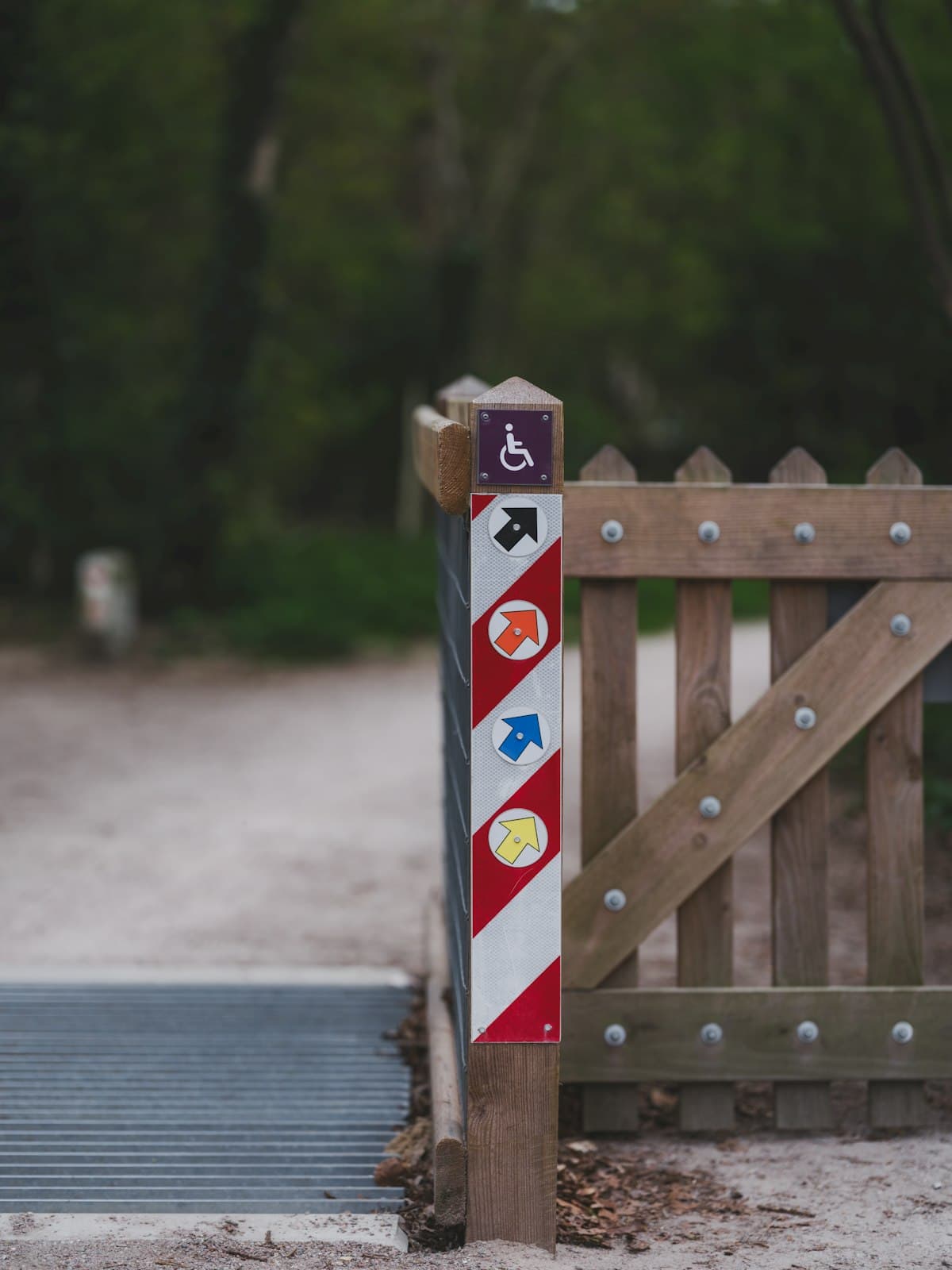
Wheelchair Accessible Hikes in Provence: 8 Routes for Everyone
Discover the best wheelchair-accessible trails in Provence: the Camargue, Étang de Berre, Colorado Provençal… Adapted routes for people with reduced mobility to enjoy nature without limits.
The Most Beautiful Night Hiking Trails in Provence
Night hiking in Provence: our favorite trails for walking under the stars, equipment tips, and everything you need to know for a successful nocturnal adventure.
The Most Beautiful Hikes in Pyrénées-Orientales
Discover the best hikes in Pyrénées-Orientales: from the mythical Canigou to the wild Albères, through the Conflent massif and the Côte Vermeille. Detailed itineraries, tips and gear advice.