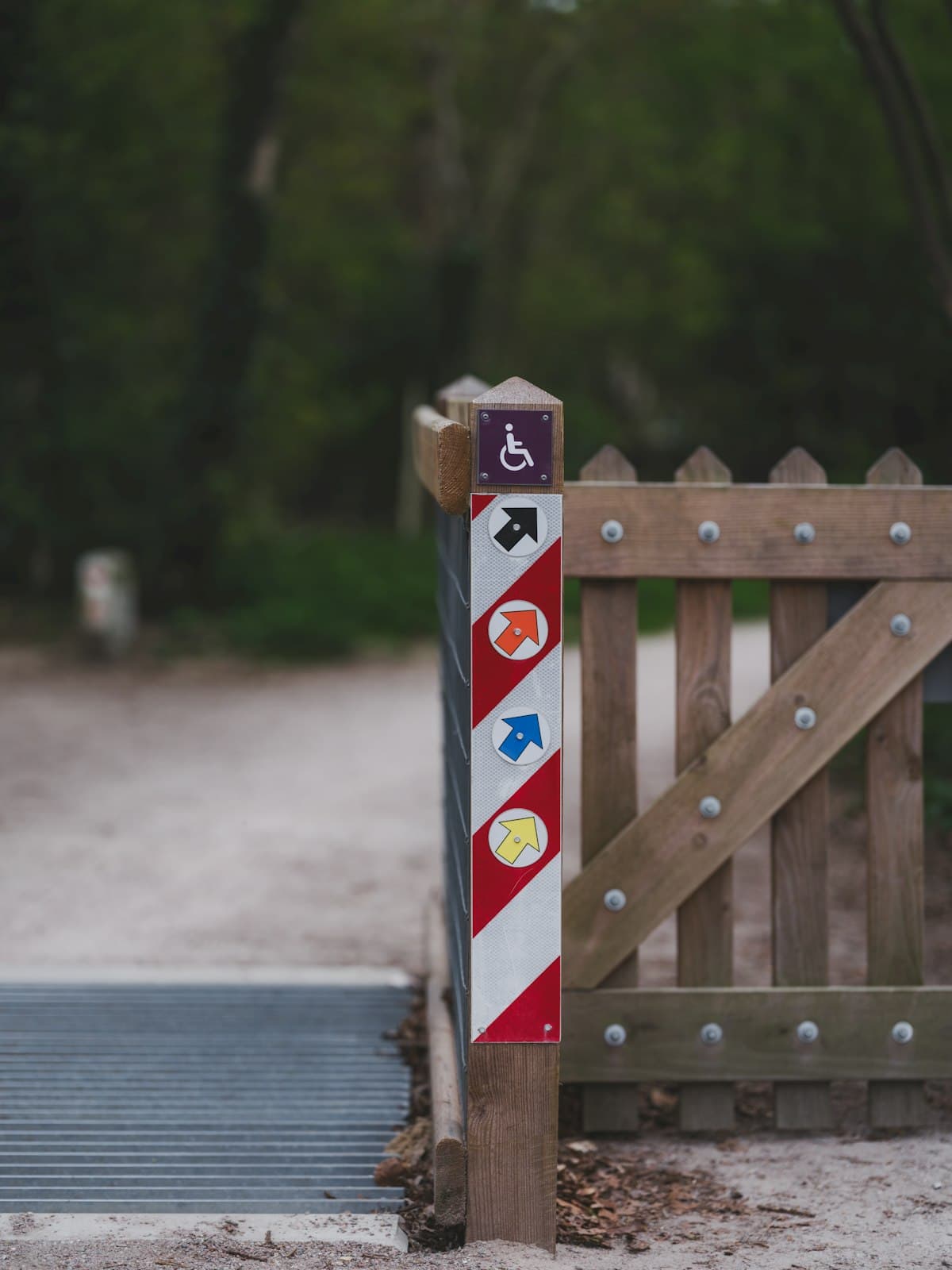
Wheelchair Accessible Hikes in Provence: 8 Routes for Everyone
Nature has no borders. Yet many wheelchair users, parents with strollers, seniors, and people with reduced mobility (PRM) struggle to find suitable routes in the region. The good news: Provence is full of flat paths, compacted tracks, and adapted trails that allow everyone to fully enjoy the Provençal landscapes without physical constraints.
This guide covers the best wheelchair-accessible — or near-accessible — routes in Provence, along with practical advice on how to prepare your outing in the best conditions.
What "Wheelchair Accessible" Actually Means
First, let's define the criteria. A wheelchair-accessible trail generally meets these standards:
- Surface: hard ground (asphalt, compacted gravel, concrete, wooden decking) or firm earth without ruts or large rocks
- Gradient: less than 5% continuously, with regular level sections
- Width: at least 1.40 m to allow a standard wheelchair to pass
- Elevation gain: less than 30–50 m over the entire route
- Obstacles: no steps, protruding roots, or unimproved rocky sections
In Provence, several types of terrain offer these conditions: wetlands and lakeshores (Camargue, Étang de Berre), old canal towpaths, seaside promenades, and some well-maintained woodland or garrigue paths.
The Camargue: Paradise for Flat Trails
The Camargue is undoubtedly the top destination for accessible hiking in Provence. This natural reserve of the Rhône Delta offers kilometre after kilometre of perfectly flat paths, with breathtaking scenery: flamingos, white horses, black bulls, ponds, and lagoons as far as the eye can see.
The Wetlands of Saintes-Maries-de-la-Mer
Starting from Saintes-Maries-de-la-Mer, several paths follow the ponds and wetlands of the Camargue. These compacted gravel or hard earth tracks are ideal terrain for standard wheelchairs and joëlettes (a single-wheel adapted chair carried by two assistants).
The wetlands loop takes you through a landscape of lagoons teeming with migratory birds. In spring and autumn, flamingos gather in great numbers.
👉 Camargue Wetlands – Birds Loop from Saintes-Maries-de-la-Mer — 6.1 km · +2 m elevation gain
The Gacholle Lighthouse
This trail follows the sea dyke between Saintes-Maries and the Gacholle Lighthouse. The track is wide, compacted, and virtually flat for its entire length. It's one of the few Camargue routes accessible to powered wheelchairs without assistance.
The view across the ponds and salt marshes, with the Alpilles mountains in the background on clear days, is absolutely stunning.
👉 Gacholle Lighthouse Loop from Saintes-Maries-de-la-Mer — 9.7 km · +1 m elevation gain
The Village of Saintes-Maries-de-la-Mer
The village itself is largely accessible: the seafront promenade, the main streets around the fortified church, and the beach access areas (with beach matting in season) are all adapted for people with reduced mobility.
👉 Town Hall – Crin-Blanc Statue Loop, Saintes-Maries — 3.1 km · +2 m elevation gain
Étang de Berre: A Lakeside Walk
The Étang de Berre — the largest brackish lagoon in continental Europe — offers accessible shoreline paths and unique scenery combining industrial heritage with preserved nature. The areas around Vitrolles and Martigues feature flat, paved paths, ideal for a wheelchair outing.
The lakeside walk from Vitrolles follows a well-maintained cycling and pedestrian track, with regular benches and an open view over the water. Perfect for a family outing at the end of the day.
👉 Étang de Berre Loop from Vitrolles — 6.0 km · +37 m elevation gain
The Colorado Provençal of Rustrel: The Accessible Lower Section
The Colorado Provençal, with its spectacular red ochre formations, is normally reserved for able-bodied walkers. But the lower part of the site, starting from the main car park in Rustrel, is accessible to people with reduced mobility. A compacted gravel path allows visitors to reach the first colourful formations without major difficulty.
The site is managed and secured: the surfacing has been improved in recent years to allow access for wheelchair users and pushchairs.
👉 Colorado Provençal Lower Circuit, Rustrel — approx. 1.5 km accessible route
The Pont du Gard: A UNESCO Site Designed for Everyone
The Pont du Gard — a UNESCO World Heritage Site — has undergone major accessibility improvements. From the north or south car park (free PRM parking), a paved path leads to the foot of the aqueduct in a wheelchair. The left bank of the Gardon river has a fully accessible area, with adapted toilets and beach access on pebbles in summer.
The view of the aqueduct from below is impressive, and the evening light show is well worth a late-afternoon outing.
3 Essential Tips to Prepare Your Trip
1. Research Before You Go
Real terrain conditions may differ from what's available online. Call the site's reception or the local tourist office to confirm the state of the path (ruts after rain, ongoing works). The tourist offices in the Camargue, Arles, or Roussillon are generally well-informed about local accessibility.
2. Choose the Right Equipment
For gravel or compacted earth terrain, an all-terrain wheelchair with large wheels makes a huge difference. If you're accompanying someone in a manual wheelchair, consider a comfort accessory for longer distances.
The joëlette — a single-wheel all-terrain chair carried by two guides — is the ultimate solution for more difficult terrain. Associations such as Handi-Cap Évasion or Rando Accès organise joëlette outings across Provence.
3. Protect Yourself from the Sun
Provence is sunny, and open areas (Camargue, lakesides) offer little shade. Bring a high-protection sunscreen, a wide-brimmed hat, and stay well hydrated — a lightweight insulated water bottle of 750 ml to 1 litre is essential.
Associations and Resources in Provence
Several organisations run accessible nature outings in Provence:
- Handi-Cap Évasion: joëlette outings in Provençal massifs (Sainte-Baume, Alpilles, Luberon)
- APF France Handicap (PACA delegation): list of accessible sites in the region
- Handirando: national adapted hiking network, with PACA-based contacts
- Local tourist offices in the Camargue, Saintes-Maries-de-la-Mer, and Arles publish downloadable PRM trail maps
Our OpenRando Suggestions
Find the most accessible trails in Provence on OpenRando, sorted by minimum elevation gain. Here are some easy starting points:
- 🦩 Camargue Wetlands & Birds (Saintes-Maries) — 6.1 km · flat
- 🌅 Gacholle Lighthouse – Sea Dyke Trail — 9.7 km · flat
- 🌿 Étang de Berre from Vitrolles — 6.0 km · nearly flat
- 🌊 Beauduc – Camargue Wetlands — 4.7 km · flat
Conclusion
Accessible Provence is real! With a little preparation and the right routes, wheelchair users and their loved ones can enjoy the flamingos of the Camargue, the ochre landscapes of the Luberon, or the lakeside paths of the PACA region in optimal conditions. Don't hesitate to share your experiences and discoveries on OpenRando to help other hikers in the same situation.
As an Amazon Associate, we earn from qualifying purchases. Links marked with an external icon are affiliate links.
Related reading
Off-Road Wheelchair Hiking: Equipment and Accessible Trails
Hiking with an off-road wheelchair: joëlette, ATW and handcycle — where to find equipment, which trails are genuinely accessible, and how to get started.
Hiking in the Monts de Vaucluse: Gorges, Bories and Lavender Plateaus
Seven hikes in the Monts de Vaucluse: combes, bories, faded lavender plateaus and perched villages between Sault and Gordes.
Hiking with your dog: the complete guide
Everything you need to know about hiking with your dog: gear, regulations, heat safety and 8 dog-friendly trails in Provence. The complete guide for successful hikes with your faithful companion.