Hydration Systems for Hiking: Complete Comparison Guide
Staying properly hydrated is one of the golden rules of hiking. Yet choosing the right hydration system is not a trivial decision: between a stainless steel bottle, a hydration bladder, a filtered bottle and an insulated flask, each solution has its advantages depending on the type of outing, the season and the hiker's experience level.
This comparison covers the main types of hydration systems available in 2026, with their strengths, limitations and concrete recommendations to help you choose.
The 4 Main Hydration System Categories
1. Classic Water Bottle (Stainless Steel or Tritan)
This is the simplest and most widespread solution. A stainless steel or Tritan (BPA-free plastic) bottle offers an excellent durability-to-price ratio.
Advantages:
- Affordable price (€10 to €30)
- Easy to fill, clean and monitor water level
- Dishwasher safe for most models
- No plastic taste with stainless steel
- Lightweight (350 to 500 g for 1 litre)
Disadvantages:
- Must stop to drink
- Can rattle in the pack
- Stainless steel does not pass through airport X-ray machines (some international borders)
Our advice: The classic bottle is ideal for day hikes and outings lasting 2 to 5 hours. For hikes in Provence, choose at least 1 litre, or even 1.5 litres in summer.
Best for: Occasional hikers, families, short walks.
2. Hydration Bladder
Integrated into a dedicated backpack or compatible pack, the hydration bladder allows you to drink on the move without stopping thanks to a drinking tube and bite valve. It is the favourite system of committed hikers and trail runners.
Advantages:
- Drink on demand without removing your pack
- Large capacity (1.5 to 3 litres)
- Optimal weight distribution in the pack
- Ideal on technical trails where stopping is inconvenient
Disadvantages:
- More demanding to clean (cleaning kit required)
- Hard to tell how much water remains without removing the bladder
- More fragile (risk of leaks in the tube or valve)
- Higher price: €20 to €60 depending on brand
Our advice: The 2-litre hydration bladder is the go-to for hikes lasting more than 5 hours, multi-day treks and mountain outings. Choose Camelbak or Osprey for valve reliability and food-grade HDPE quality.
Best for: Regular hikers, trekkers, trail runners, mountain outings.
3. Filtered Water Bottle
The filtered bottle integrates a filter that purifies water as you drink or fill up. It is a game-changer for long mountain outings where water sources are plentiful.
Advantages:
- Fill up from any stream, spring or river
- Eliminates bacteria, protozoa and particles
- Saves weight in water carried (start light, refill along the way)
- Reduces plastic waste (no more single-use bottles)
Disadvantages:
- Higher price: €40 to €100
- Reduced flow rate (pressure or suction filter)
- Filter has a limited lifespan (500 to 4,000 litres depending on model)
- Does not filter viruses (except models with UV treatment)
Our advice: A filtered bottle such as LifeStraw or Sawyer is essential for multi-day treks in wilderness areas (Mercantour, Hautes-Alpes, Corsica). In Provence, springs are scarce in summer: always verify water availability on the terrain before counting on it.
Best for: Trekkers, self-sufficient hikers, bivouac enthusiasts.
4. Insulated Flask
The double-wall insulated flask keeps your water cold for up to 24 hours (or your coffee hot in winter). This is an appreciated comfort in summer on Provence's exposed trails.
Advantages:
- Cold water all day long, even at 35°C
- Hot drinks in winter (tea, coffee, soup)
- Increased durability with double-wall stainless steel
- No exterior condensation
Disadvantages:
- Significantly heavier (500 to 700 g for 500 ml depending on model)
- High price: €30 to €70 for reliable brands
- Often limited capacity (500 ml or 1 litre)
Our advice: The insulated flask is the luxury item of summer hiking. Pair it with a hydration bladder for large capacities: keep 500 ml of cold water in the insulated flask to drink on the move, and refill the bladder at fountains along the way.
Best for: Summer hikers, comfort enthusiasts, those who like coffee breaks.
Comparison Summary Table
| Criterion | Stainless/Tritan | Hydration Bladder | Filtered Bottle | Insulated Flask |
|---|---|---|---|---|
| Price | €10–30 | €20–60 | €40–100 | €30–70 |
| Weight (1L) | 180–300 g | 200–350 g | 250–400 g | 400–700 g |
| Capacity | 0.5–2 L | 1.5–3 L | 0.5–1.5 L | 0.35–1 L |
| Ease of drinking | ★★★ | ★★★★★ | ★★★ | ★★★ |
| Ease of cleaning | ★★★★★ | ★★★ | ★★★ | ★★★★ |
| Versatility | ★★★★ | ★★★★ | ★★★★★ | ★★★ |
| Best for | Day hike | Trek, trail | Autonomy | Summer, comfort |
How to Choose Based on Your Activity
Day Hike (2–5 hours)
A classic stainless steel bottle (1 to 1.5 L) is more than sufficient for the majority of outings. In summer in Provence or the Alpilles, always carry at least 1.5 litres as water points are rare on exposed trails. Always check the availability of fountains along the route before setting off — OpenRando displays trail information to help you plan.
Long Day Hike (6–10 hours)
Combine a 750 ml or 1 L bottle with a 1.5 to 2-litre hydration bladder in your pack. This gives you a total reserve of 2.5 to 3 litres — comfortable for demanding days and exposed climbs.
Multi-Day Trek
A hydration bladder (2–3 L) remains essential. Complement it with a filtered bottle or UV purifier if your itinerary crosses areas without certified potable water. At high altitude (Mercantour, Belledonne, Écrins), mountain torrent water is generally reliable in the absence of human activity upstream — but filtering is always the safer choice.
Family Hiking with Children
For children, lightweight bottles with pressure caps (to prevent leaks in the pack) are ideal. Opt for 500 ml to 750 ml capacities for young children. Colourful, lightweight bottles designed for children are available from Nalgene, Camelbak and Sigg.
Essential Criteria to Check Before Buying
The Material
- Food-grade stainless steel 18/8 (304): The best for not altering the taste of water. Lightweight, durable, but not microwave-safe.
- Tritan (BPA-free plastic): Lighter and cheaper than stainless steel, transparent (you can see the water level). Works very well for hiking.
- HDPE (high-density polyethylene): Used for hydration bladders. Flexible, lightweight, but replace every 2–3 years with intensive use.
- Aluminium: Best avoided — the interior is often coated with a lining that degrades over time.
The Capacity
Do not underestimate your needs. Here is a simple rule:
- Outing < 3 hours in normal conditions: 750 ml is enough
- Outing of 3 to 6 hours: 1 to 1.5 L
- Outing > 6 hours or summer heat: 2 to 3 L
The Cap and Valve
Screw cap, pressure cap, integrated straw or bite valve for hydration bladders — every system has its fans. Check that the cap is watertight and that you can drink with one hand without stopping.
Maintenance
All bottles can be cleaned with warm soapy water. For hydration bladders, invest in a cleaning kit with a brush — mould in the drinking tube is the number one problem with poorly maintained bladders. Always leave them to air-dry completely after use.
Our Selection by Budget
Tight Budget (< €20)
A 1 L Tritan bottle with screw cap: simple, effective, lightweight. This is what Nalgene (the market benchmark) and accessible hiking brands offer.
Mid-range Budget (€20–50)
Invest in a quality 2 L Camelbak or Osprey hydration bladder, or a quality stainless steel bottle (Klean Kanteen, Hydro Flask). These products last for years.
Premium Budget (€50+)
The ideal combination: a high-end insulated flask (Hydro Flask, Klean Kanteen) + a filtered bottle for mountain autonomy. A durable investment across multiple seasons.
Classic Mistakes to Avoid
- Setting off with too little water: The leading cause of abandoned hikes in summer.
- Counting on springs without checking: In Provence and the Var, many fountains run dry in July and August.
- Neglecting hydration bladder maintenance: A poorly dried bladder develops mould within weeks.
- Only drinking when thirsty: Thirst is a late signal of dehydration. Drink regularly, every 20 to 30 minutes.
- Using single-use plastic bottles: Fragile, polluting, and they alter the taste of water when they heat up.
You now have all the information you need to choose the hydration system suited to your hiking practice. To go further in preparing your outings in Provence, check out our other guides:
- The 10 Easiest Hikes in Bouches-du-Rhône
- Hikes Around Lac de Sainte-Croix
- Discover Hiking Routes in Provence on OpenRando
As an Amazon Associate, we earn from qualifying purchases. Links marked with an external icon are affiliate links.
Related reading
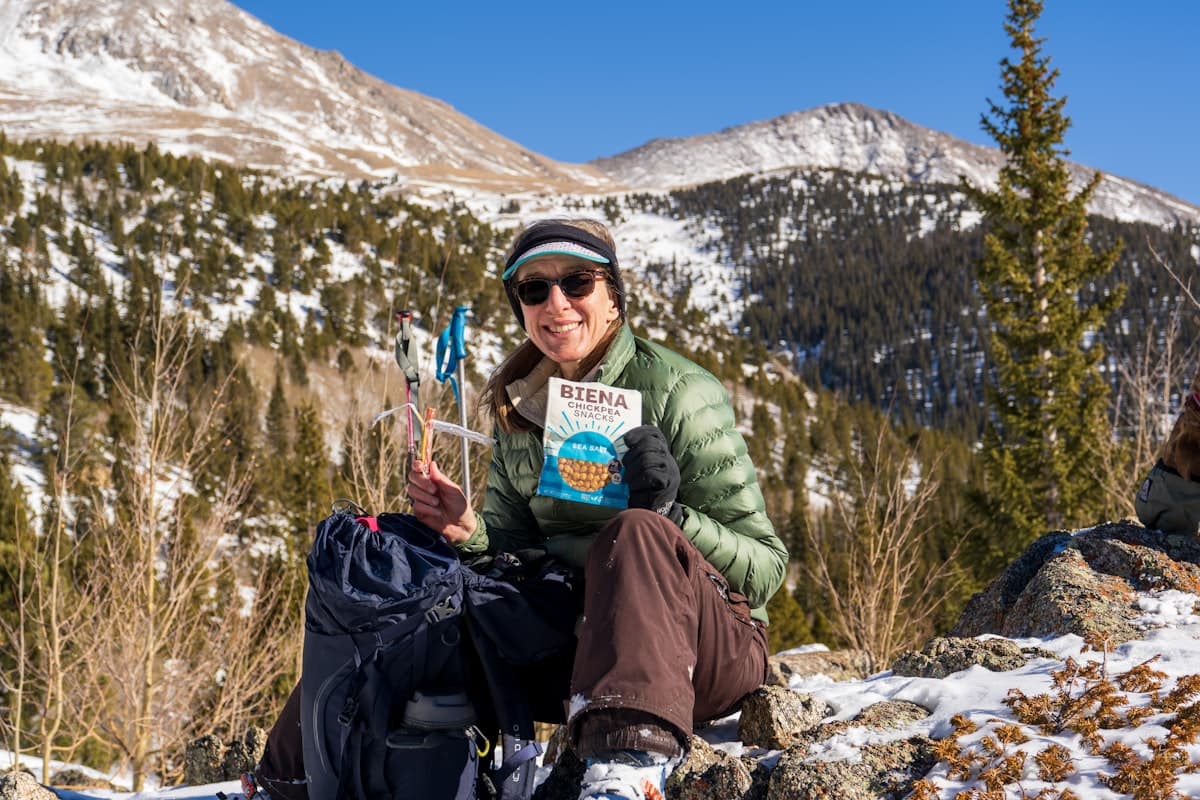
Eating and Drinking on the Trail: The Complete Hiking Nutrition Guide
How much to drink, what to eat, and how to plan your meals on the trail? The complete guide to nutrition and hydration for hiking without bonking or heat exhaustion.
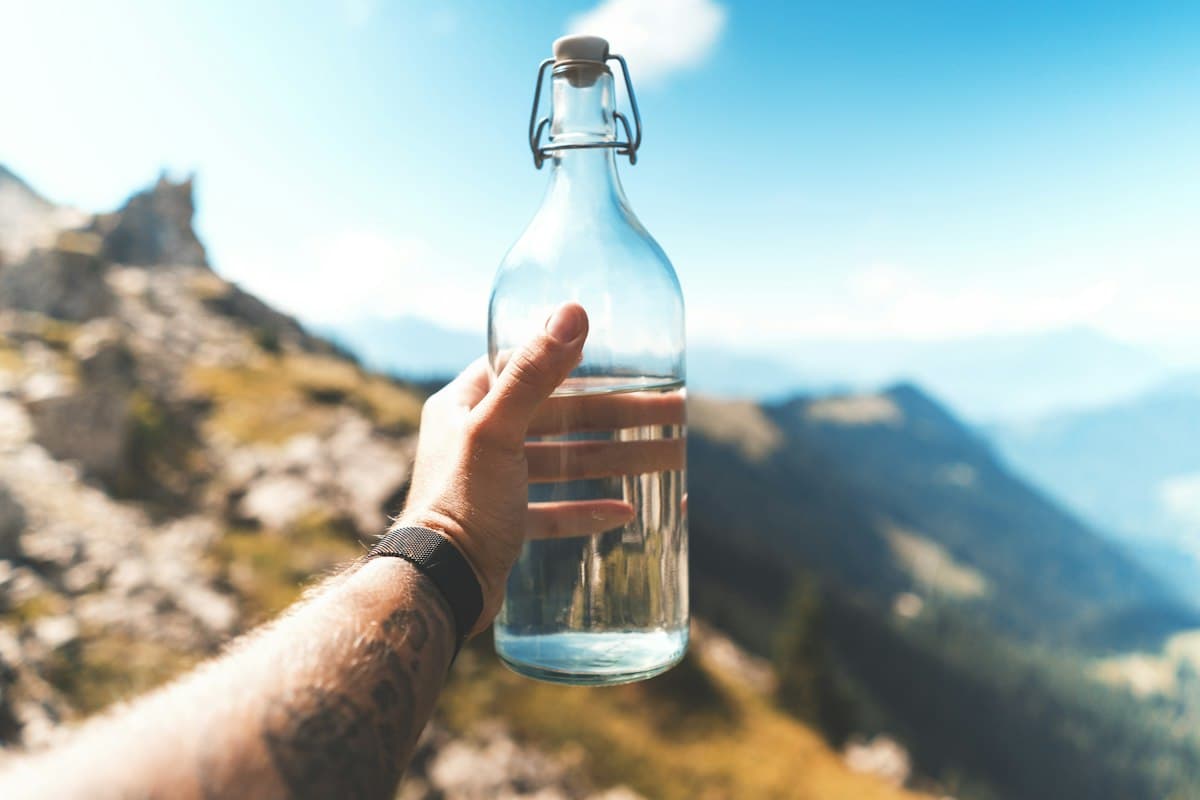
How to Purify Water While Hiking: The 4 Methods Compared
Filter, tablets, UV or boiling: the four methods for purifying water while hiking, what they actually eliminate, and which one to choose.
Hiking in the Heat: Prevention and Adaptation Guide
How to hike safely when temperatures soar? Our expert guide on preventing heatstroke, staying hydrated, and choosing the right summer trails.