Trail Running vs Hiking: What Are the Real Differences?
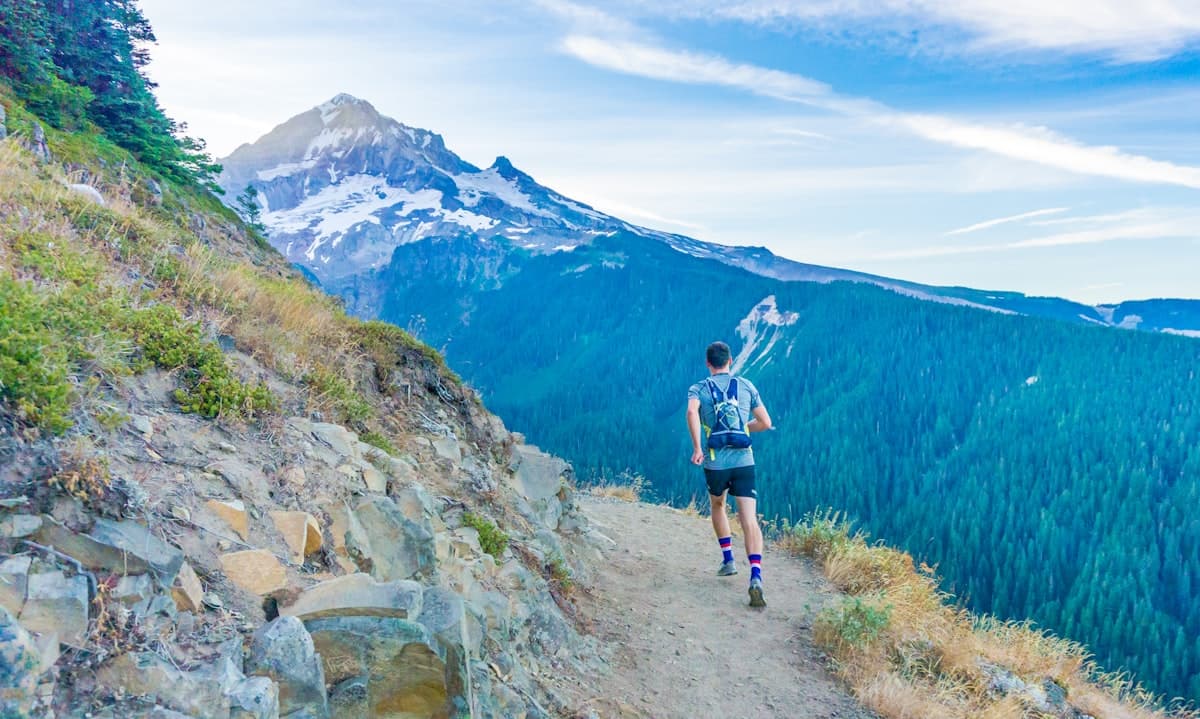
Picture this: you're on a mountain trail, breathing hard, legs burning. To your left, a hiker with a 30-liter pack and two trekking poles moves steadily, taking in the panorama. To your right, a trail runner clears the ridge at a jog, eating up the elevation gain with effortless ease. Same trail. Two completely different activities.
Trail running and hiking share the same terrain — forest paths, alpine ridges, Mediterranean garrigue — but diverge on almost everything else: pace, gear, physical preparation, and mindset. Understanding these differences will help you choose the practice that fits you best, or intelligently combine both.
Definitions: What Are We Actually Talking About?
Hiking
Hiking is walking in nature at a moderate pace, with or without significant elevation gain. It breaks down into three broad categories:
- Day hike: up to 8 hours of walking, moderate elevation
- Multi-day trek: consecutive days with bivouac or hut nights
- Easy walk: under 2 hours, minimal elevation, accessible to everyone
The primary goal is exploring the landscape, enjoying measured effort, and connecting with nature. You stop to watch a chamois, take time to eat lunch facing a panorama, read the heritage trail signs. Hiking is accessible from age 6–7 and requires no specific fitness level to start.
Trail Running
Trail running is running off-road on natural terrain. Unlike road running, trail running incorporates relief — elevation gain, technical descents, rocky sections — in a logic of performance or simply the pleasure of running in open nature.
Key categories:
- Short trail: under 42 km
- Long trail: 42 to 80 km
- Ultra-trail: over 80 km (the UTMB, for example, covers 171 km)
Trail running demands serious fitness, terrain-specific running technique, and rigorous effort and nutrition management.
The Fundamental Differences
1. Pace and Effort Management
This is the most obvious distinction. A hiker covers an average of 2.5 to 3 mph on varied terrain, sometimes less on technical mountain paths. A trail runner, depending on their level, moves between 4 to 7.5 mph on the same trails.
But beyond raw numbers, the entire relationship to effort differs. In hiking, you aim for a comfortable, conversational pace — you can talk without gasping. In trail running, you work across variable intensities: aerobic base zones, hard pushes on climbs, recovery on descents.
Hiking is gentle endurance. Trail running is demanding endurance — physiologically comparable to road running, with the added mechanical demands of natural terrain.
2. Gear: Light vs. Functional
Both practices share a common baseline — good footwear, water, sun protection — but diverge in their requirements.
Shoes are where the difference is most pronounced. Trail running shoes are light (200–300g per foot), highly flexible, with aggressive outsoles for grip and a low drop to promote natural stride. Hiking shoes prioritize support, long-duration comfort, and sole stiffness to absorb irregular terrain.
Carrying: the hiker brings a 20–40 liter pack with clothing, food, map, and first aid kit. The trail runner uses a trail running vest of 5–15 liters — fitted tightly to the body so it doesn't bounce during running — containing the essentials: soft flasks, gels, windshell jacket, phone.
Poles: hikers use them constantly to protect knees. Trail runners only use them on long-distance races with major elevation gain (ultra-trail), stowing them in the vest for running sections.
Clothing: the technologies overlap, but trail runners seek even lighter fabrics — often lycra or polyester technical textiles that dry within minutes.
3. Physical Requirements
Hiking is accessible at any fitness level. A sedentary person can hike 10 km on their first outing by choosing appropriate elevation. Progression is natural: gradually increase distance and elevation over several weeks.
Trail running requires a solid aerobic base. Jumping straight into trail running without prior running experience is inadvisable. The reason: mechanical trauma (ankles, knees, tendons) is significantly greater in trail running than in road running or hiking. The impact of each stride, technical descents, and landings on unstable terrain place heavy demands on joints.
A realistic program for a hiker transitioning to trail running:
- Build 3–4 months of regular hiking including elevation gain
- Introduce 2–3 weekly running sessions on flat ground
- Progressively include short trail outings (3–6 miles)
- Increase volume over 6 to 12 months
4. Nutrition and Hydration
In hiking, you eat like a normal meal schedule: lunch on a break, nuts and dried fruit as snacks, water in reasonable quantities. For a deep dive into nutrition strategy, check our guide on nutrition and hydration for hiking.
In trail running, nutrition becomes strategic. At high intensity, the body burns primarily carbohydrates and glycogen stores deplete in 90–120 minutes. Trail runners must refuel regularly and specifically: energy gels, trail bars, isotonic drinks. Aid station management is a discipline unto itself in long races.
5. Mindset and Goals
This may be the deepest difference — and the hardest to quantify.
Hiking cultivates contemplation. You're there to see, feel, and hear. Nature is an end in itself. Effort is a means of reaching places otherwise inaccessible. Time doesn't matter much — you stop when you want, turn back if the weather turns.
Trail running integrates a performative dimension, even for beginners. You track your times, compare Strava segments, set elevation goals. Performance isn't mandatory, but it's structurally embedded in the practice. Even running purely for yourself, without racing, implies a relationship with intensity and progression.
This doesn't mean trail running is less contemplative — many trail runners describe intense flow states — but the primary objective is different.
What They Share (That People Often Forget)
Despite their differences, hiking and trail running share strong core values:
- Access to nature: both practices reach exceptional places, far from roads and urban noise
- Mental health benefits: all forms of effort in nature reduce stress and improve mood — as we explore in our article on the mental health benefits of hiking
- Terrain knowledge: reading trail markers, navigation, mountain weather — skills transfer between the two
- Community: both practices have a remarkable culture of mutual support and sharing on the trails
Can You Practice Both?
Absolutely — and it's actually a very beneficial combination. Many experienced trail runners include "active hiking" sessions in their training for recovery without stopping completely. Conversely, hikers looking to progress begin jogging the flat sections of their usual routes.
Fast hiking is a hybrid discipline emerging precisely from this intersection: moving efficiently, running the easy sections, stopping when the scenery demands it. No pressure, no timer — just the efficiency of movement combined with the pleasure of nature.
For hikers wanting to prepare for their first trail race, explore routes in your region on OpenRando to find itineraries suited to the transition, complete with elevation profiles and downloadable GPX tracks.
Common Gear Worth Having for Both
Whether you hike or trail run, certain basics make consensus:
- Technical socks: Merino wool hiking/trail socks are essential in both cases — they regulate temperature and prevent blisters
- Windshell jacket: lightweight, packable, fits everywhere — the minimum against weather changes
- Sun protection: sunscreen, sunglasses, cap — Provence sun (and high altitude) is harsh at any speed
- Charged phone with GPX track: poorly marked trails don't forgive mistakes, whether you're moving at 3 mph or 6 mph
What Hiking Can Teach Trail Runners
Experienced trail runners will readily admit: hikers are often better at two essential things.
Patience: a hiker knows how to stop, breathe, admire. Many trail runners suffer from a permanent performance syndrome that prevents them from enjoying the moment. Integrating "hiking pauses" into training is also active recovery work and building a healthier relationship with effort.
Logistical preparation: hikers often have a culture of anticipation (map, weather check, safety equipment) that trail runners — rushed by nature — sometimes neglect. On a night ultra or high-mountain race, this rigor can make the difference.
Conclusion: Two Complementary Practices
Trail running and hiking aren't competing — they're complementary. Both let you discover magnificent landscapes, progress physically, and find in nature a kind of freedom hard to find elsewhere.
If you're just starting out, hiking is your natural entry point into the world of trails. If you're an experienced hiker looking for new sensations, trail running is a logical evolution. And if you're already a trail runner, integrating regular hiking sessions into your practice is one of the best decisions you can make.
The trails of Provence — from the Calanques to the Alpilles, from the Luberon to the Mercantour — suit every pace. Find the best routes in the region on OpenRando, whether built for walking or running.
Lace up — whether for walking or running, the important thing is to get out there.
As an Amazon Associate, we earn from qualifying purchases. Links marked with an external icon are affiliate links.
Related reading
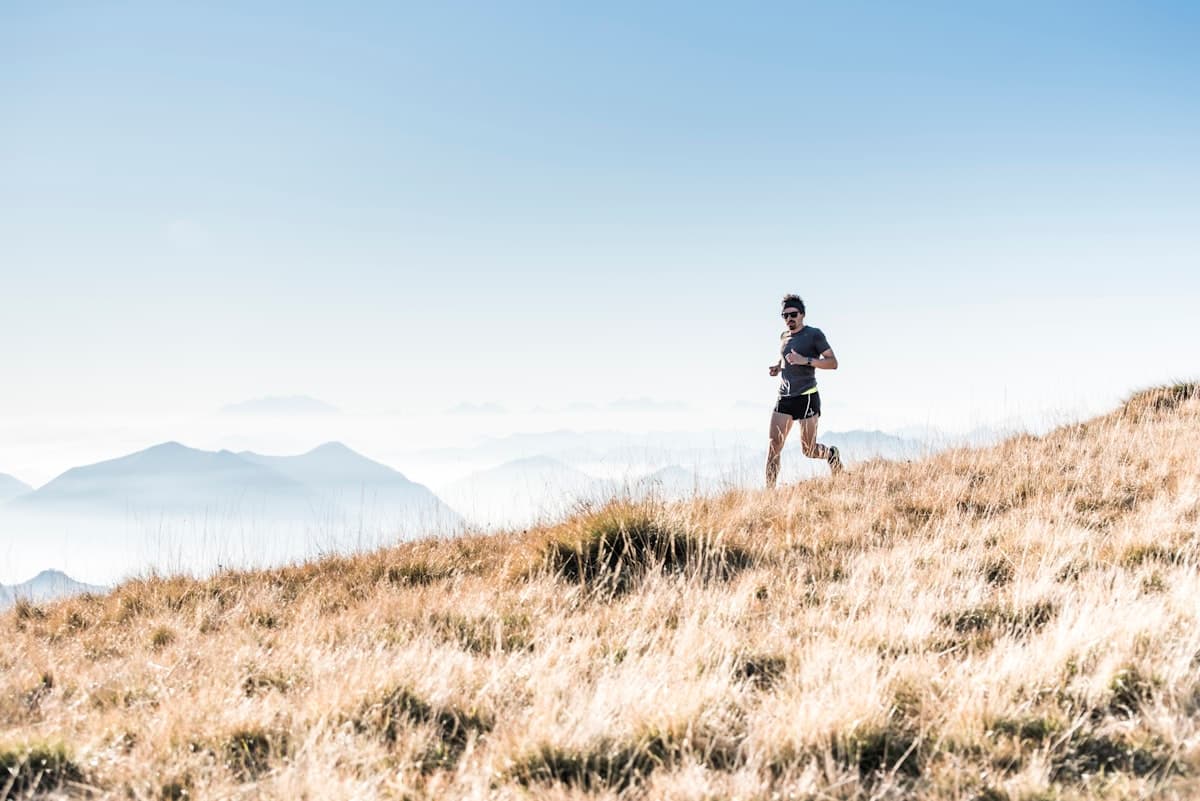
Trail Running Events in Provence: Complete 2026 Calendar
All trail running and nature races in Provence in 2026: event calendar, best training trails on OpenRando, and equipment tips to prepare your season.
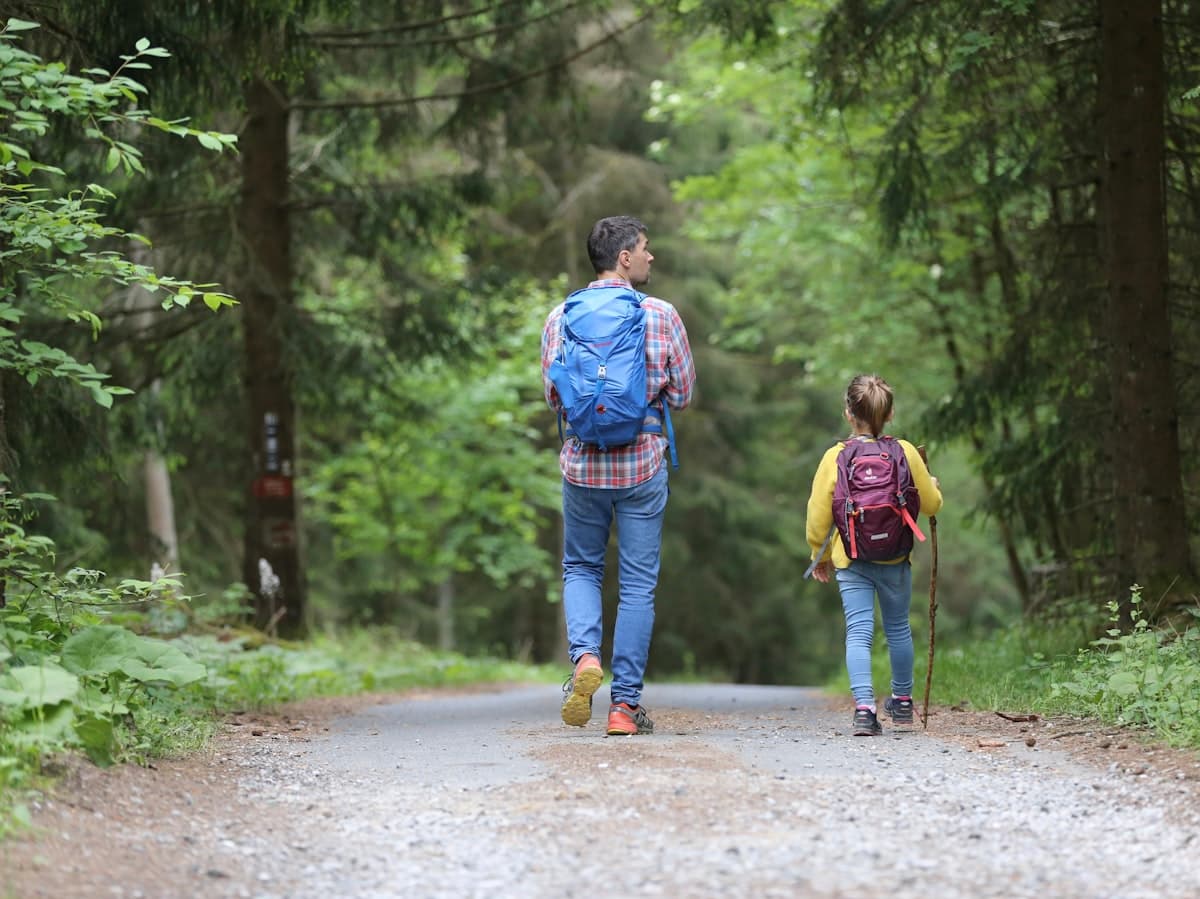
Hiking with Kids: The Age-by-Age Guide
From age 2 to 12, how to introduce children to hiking: the right walks for each stage, what to pack, and how to keep them going.
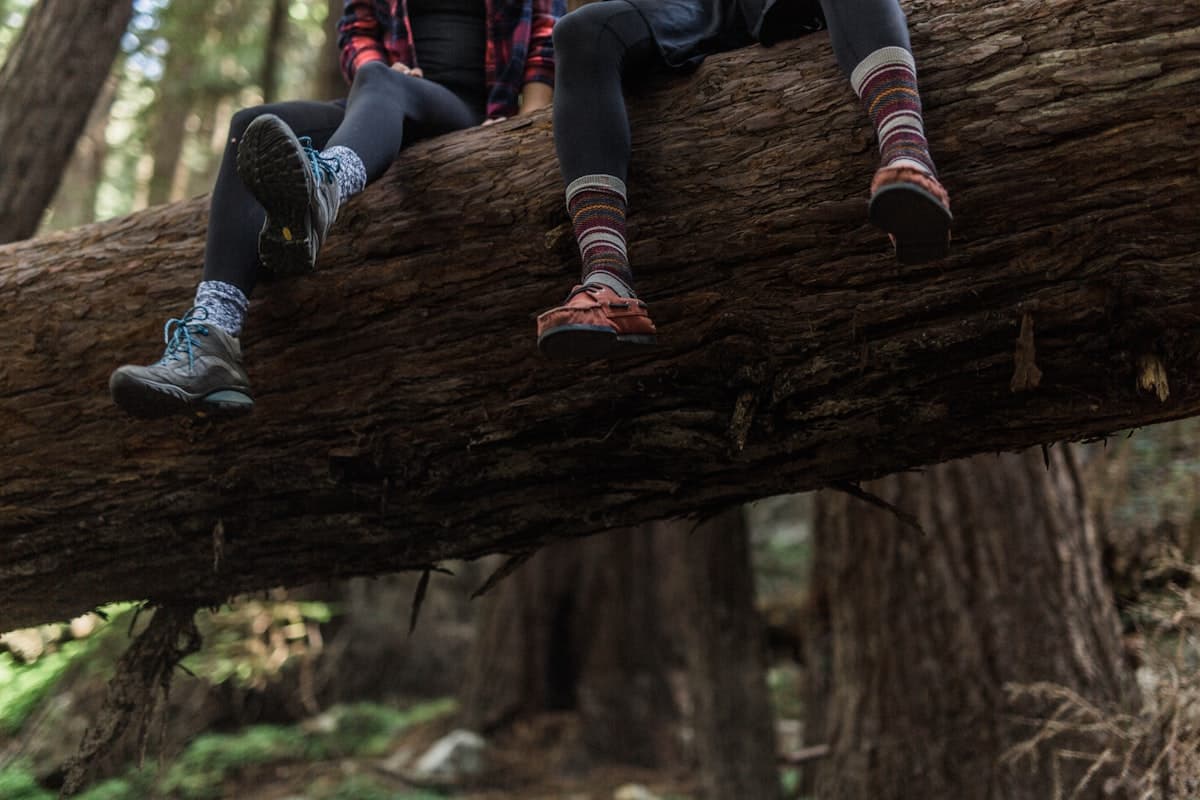
Hiking Socks Comparison: Merino Wool, Synthetic or Blend?
How to choose the right hiking socks: merino or synthetic, height, cushioning and seams. Comparison of six tested models to avoid blisters.