Hiking in the Heat: Prevention and Adaptation Guide
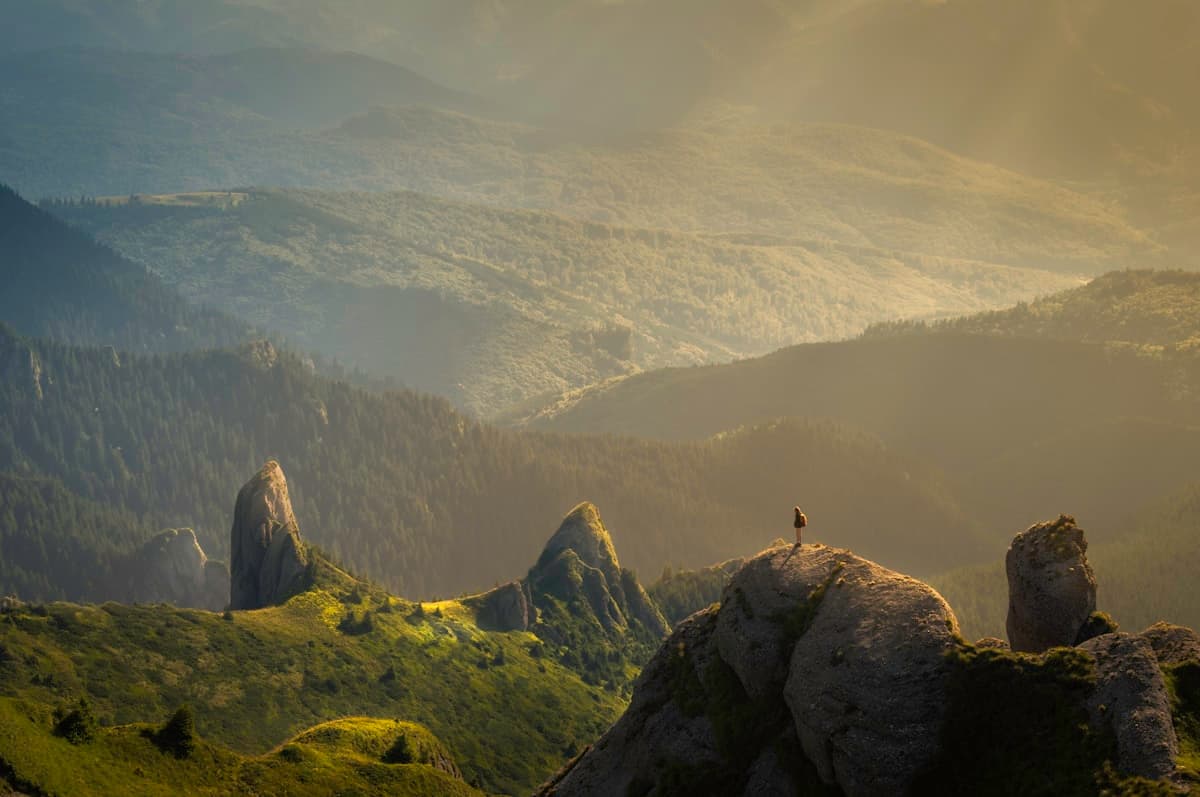
Every summer, mountain rescue teams across Southern France face the same reality: too many hikers underestimate the dangers of extreme heat. And yet, summer hiking remains one of the most rewarding experiences you can have — provided you know how to prepare. Temperatures pushing 38°C, relentless UV radiation, exposed trails without shade... the summer conditions of Provence and the Southern Alps demand a specific approach.
This guide covers everything you need to hike safely in the heat: understanding the risks, choosing the right gear, adjusting your schedule and itinerary, and recognizing warning signs before they become emergencies.
Understanding the Risks of Hiking in the Heat
Heatstroke: The Most Serious Danger
Heatstroke (hyperthermia) occurs when the body can no longer regulate its core temperature. Unlike heat exhaustion, it can be fatal if not treated immediately. Body temperature exceeds 40°C, and the body's natural cooling mechanism — sweating — shuts down entirely.
Warning signs of heatstroke:
- Hot, dry, red skin (no sweating)
- Mental confusion, incoherent speech
- Rapid, strong pulse
- Sudden, intense headache
- Possible loss of consciousness
Immediate response: Move the person to shade, apply cool water to the neck, armpits, and groin folds, call emergency services (112 in Europe), and never leave the affected person alone.
Heat Exhaustion: Common and Debilitating
Heat exhaustion is less severe than heatstroke but still forces you off the trail. It presents as heavy sweating, weakness, cold or clammy skin, a fast or weak pulse, nausea, and muscle cramps. Rest, shade, and fluids usually resolve it — but it's a serious warning from your body.
A good wide-brimmed hat with UPF 50+ protection is your first line of defense against sun-related illness. Choose one that's lightweight, breathable, and covers the back of the neck.
Dehydration: A Silent Threat
In hot weather with physical exertion, you can lose up to 1 liter of water per hour. At just 2% body water loss, physical and cognitive performance drops by 20%. At 5%, it's a medical emergency. The problem: thirst only kicks in when you're already 1-2% dehydrated.
The golden rule: drink before you're thirsty, in small amounts, every 15-20 minutes.
Gearing Up for Hot Weather Hiking
Sun Protection: Non-Negotiable
Never head out on a summer hike without a sport sunscreen SPF 50+ that resists sweat. Apply it 30 minutes before heading out, and reapply every 2 hours — or after crossing streams.
Commonly forgotten spots: lips (UV lip balm), ears, back of the neck, backs of hands, and ankles.
Polarized sunglasses with UV400 protection are essential at altitude, where UV radiation is significantly more intense. They also reduce eye fatigue on rocky or snowy terrain.
Technical Clothing: Cover Up to Stay Cool
Counterintuitively, covering your skin in the heat is often more effective than leaving it exposed. Technical, breathable fabrics create a UV barrier while facilitating sweat evaporation.
Opt for a long-sleeve anti-UV shirt in technical fabric over a cotton t-shirt, which traps moisture and becomes uncomfortably clingy. Look for fabrics with a UPF 30+ or UPF 50+ rating.
Hydration: Choosing the Right Equipment
A 2-3 liter hydration bladder encourages more frequent drinking since water is always accessible through a hose. You'll naturally drink more than you would with a standard water bottle that requires stopping and unscrewing.
For routes with natural water sources (common in the Southern Alps), a portable water filter lets you top up along the way and significantly reduce the weight you carry from the start.
Practical rule: Pack at least 1.5 liters for every 2 hours of hiking in the heat, and 2-3 liters for a full half-day hike.
Don't Forget Electrolytes
Sweating heavily doesn't just dehydrate you — it depletes your body of essential minerals (sodium, potassium, magnesium). Drinking water alone can trigger hyponatremia (low blood sodium), which is just as dangerous as dehydration.
For hikes over 2 hours in intense heat, supplement your hydration with electrolyte tablets, powders, or isotonic drinks.
Adjusting Your Schedule and Itinerary
The Golden Rule: Avoid the Midday Sun
Between 11am and 4pm, solar radiation is at its peak. In midsummer in Southern France, temperatures on an exposed trail can exceed 40°C at ground level. This is the window to avoid at all costs.
Ideal summer hiking schedule:
- Early morning start (6–7am)
- Mandatory rest break from noon to 3pm in shade
- Resume in late afternoon
- Return before dark
Go Higher
In the mountains, temperature drops roughly 0.6°C per 100 meters of altitude. A hike at 1,500m will feel 9°C cooler than at sea level — often the difference between exhaustion and enjoyment.
Choose Shaded and Water-Rich Routes
Forests, gorges, narrow valleys, and riverside trails offer natural coolness. In summer, these are the wisest choices — and often the most stunning.
Scale Back Your Ambitions
In the heat, a trail you normally cover in 4 hours may take 6. Plan 20-30% less distance than usual and prioritize circuits with water sources marked on the GPX track.
Recommended OpenRando Trails for Summer Hiking
Here's a curated selection of trails particularly well-suited for hot weather hiking, thanks to their altitude, tree cover, or proximity to water:
High Altitude: Natural Freshness
Col de la Moutière from Bayasse — Mercantour National Park — 13.9 km · 651 m elevation gain This high pass in the Mercantour National Park sits above 2,000m, where temperatures stay comfortable even during heatwaves. One of the best summer escapes in Southern France.
Alpine Trail to Lac de Mongioia via Passo del Tenibres — 9.0 km · 813 m elevation gain A pristine mountain lake surrounded by alpine meadows, where the air stays cool even when the lowlands are sweltering at 38°C.
Ascent of Pic de Morgon — 11.2 km · 673 m elevation gain A beautiful ascent in the Ubaye valley — one of the best summer hiking regions in France thanks to its high elevation and abundant natural springs.
Cirque de Morgon Loop — Aerial Trail from Le Lauzet-Ubaye — 10.8 km · 594 m elevation gain Spectacular and airy, this loop in the same area is perfect for July and August hiking with great views and cool temperatures.
Forest Trails: Shade Guaranteed
Portalas Viewpoint — Cedar Forest of the Luberon from Lacoste — 13.8 km · 506 m elevation gain The Luberon cedar forest provides dense shade throughout almost the entire route — one of the best summer hiking choices in the region.
L'Ourillon Loop — Views over Mont Ventoux from Vaugines — 14.1 km · 536 m elevation gain Alternating between open garrigue and oak forests, with a rewarding view of Mont Ventoux as a grand finale.
Near Water: Staying Cool on the Trail
Col de Plein Voir and Saint Maurin Waterfall Loop — Verdon Regional Natural Park — 10.5 km · 652 m elevation gain Multiple water points along the route, lush vegetation, and a varied itinerary through the Var backcountry.
Gorges and Ruisseau de Saint-Pierre Loop — 12.2 km · 616 m elevation gain This trail runs alongside a stream for most of its length, with opportunities for a refreshing dip on the way back. Great for families.
Browse more trails suited for all seasons on OpenRando.
Warning Signs You Should Never Ignore
Even when well-prepared, your body may send warning signals. Learn to recognize them:
| Signal | What It Means | What to Do |
|---|---|---|
| Persistent headache | Early heatstroke or dehydration | Stop, find shade, drink |
| Muscle cramps | Electrolyte depletion | Hydrate + electrolytes |
| Nausea and dizziness | Developing heatstroke | Stop immediately, cool down |
| Dark urine | Advanced dehydration | Drink heavily |
| Confusion, incoherent speech | Medical emergency | Call 112 immediately |
Emergency numbers in the mountains:
- General European emergency: 112
- SAMU (French emergency services): 15
- Fire brigade: 18
Pre-Hike Heat Checklist
Before every summer hike, run through this checklist:
- Weather checked (UV index, hourly forecast)
- Departure planned before 9am
- Minimum 2 liters of water per person (+ water source identified for longer routes)
- SPF 50+ sport sunscreen and UV lip balm
- Wide-brimmed hat or UV-protective cap
- Lightweight, breathable anti-UV clothing (no cotton)
- Category 3 or 4 UV400 sunglasses
- Electrolyte tablets or isotonic drink (for hikes > 2 hours)
- Basic first aid kit
- Someone informed of your route and expected return time
For a complete breakdown of what your first aid kit should contain, check out our guide on hiking first aid essentials.
Conclusion
Hiking in the heat is both possible and wonderful — as long as you adapt your behavior and gear accordingly. The trails of Southern France in July and August offer breathtaking scenery, golden light, and a serenity that simply doesn't exist at other times of year.
The secret: start early, cover up, drink before you're thirsty, choose smart itineraries, and stay attuned to your body. With these habits, summer becomes the most rewarding season of all for hitting the trails.
As an Amazon Associate, we earn from qualifying purchases. Links marked with an external icon are affiliate links.
Related reading
The Ultimate Guide to Summer Hiking: Temperatures, Timing, and Gear
Everything you need to know to hike safely in summer: best departure times, how to manage heat, hydration, essential gear, and mistakes to avoid when temperatures soar.
How to Purify Water While Hiking: The 4 Methods Compared
Filter, tablets, UV or boiling: the four methods for purifying water while hiking, what they actually eliminate, and which one to choose.
Hydration Systems for Hiking: Complete Comparison Guide
Stainless steel bottle, hydration bladder, filtered bottle or insulated flask: our complete comparison guide to choose the best hydration system for your hiking style.