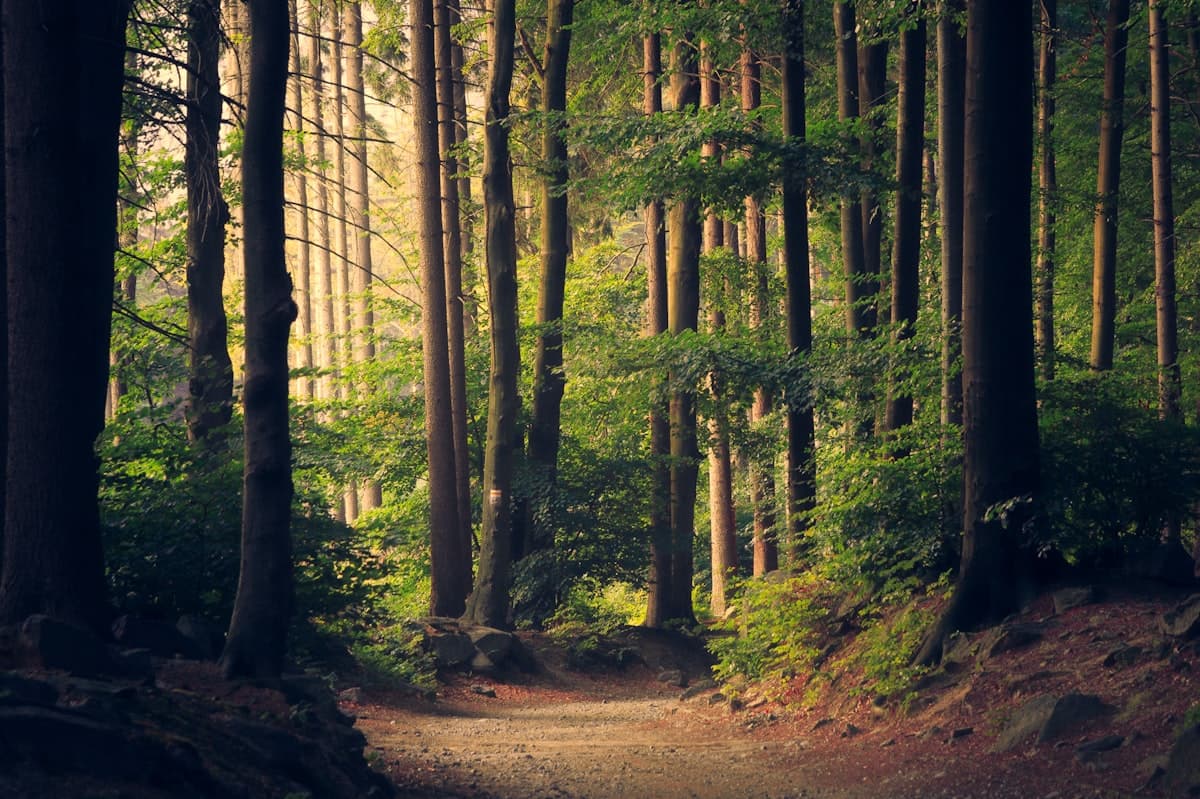
Eco-Friendly Hiking: How to Leave No Trace on the Trails
Hiking is, at its core, a love story with nature. Yet every year, the most popular trails show worrying signs of wear: erosion, abandoned litter, trampled vegetation, disturbed wildlife. The paradox is harsh — the more we love nature, the more we risk damaging it.
Fortunately, there are simple and practical principles to enjoy the trails while preserving them for future generations. The Leave No Trace movement, born in North America in the 1960s, offers seven founding principles that every hiker can adopt. This guide explains how to apply them in your daily practice, with concrete tips and trail suggestions in pristine natural areas where you can put this philosophy into action.
Why eco-responsibility in hiking has become essential
Trail usage has exploded in recent years. In France alone, more than 20 million people hike regularly. If each one leaves a piece of litter, moves a rock or cuts a switchback, the cumulative impact becomes considerable.
The consequences are visible everywhere:
- Trail erosion: shortcuts and off-trail travel accelerate erosion, especially on fragile mountain or scrubland soils
- Water pollution: a single piece of plastic waste takes between 100 and 1,000 years to decompose in nature
- Wildlife disturbance: noise, unleashed dogs and getting too close to wild animals disrupt breeding cycles
- Flora degradation: trampling undergrowth and wild picking impoverish biodiversity
The good news? Every hiker has the power to make a difference. It's not about giving up hiking, but about practicing it differently.
The 7 Leave No Trace principles
1. Plan ahead and prepare
Eco-responsibility starts before you even set foot on the trail. Good preparation reduces the risk of environmental impact:
- Check the regulations of the site you're visiting (national park, nature reserve, local bylaws)
- Check the weather to avoid emergency situations that might force you off-trail
- Bring enough water and food in reusable containers to avoid generating waste
- Download your GPX track in advance so you never get lost and avoid unintentional off-trail travel — explore trails on OpenRando
2. Travel on durable surfaces
The first reflex of an eco-responsible hiker: stay on the trail. Always.
- Never cut switchbacks, even if the climb seems endless — switchbacks are designed to limit erosion
- In groups, walk in single file on narrow trails rather than side by side
- On wet terrain (bogs, alpine meadows), stay on boardwalks or stepping stones
- If you need to stop, choose a hard surface (rock, gravel) rather than vegetation
In Provence, scrubland soils are particularly fragile in summer. A single off-trail pass can tear up the dry crust protecting plant roots.
3. Dispose of waste properly
The rule is simple: everything that goes into your backpack must come out. No exceptions.
- Carry a small rubbish bag for your waste, including fruit peels (a banana skin takes 2 years to decompose in the mountains)
- Paper tissues take 3 months to disappear — keep them in a ziplock bag
- Never throw cigarette butts: a single butt can pollute up to 500 litres of water and takes 12 years to decompose
- If you find litter on the trail, pick it up — it's a simple gesture that makes a real difference
4. Leave what you find
The temptation is strong to collect a pretty pebble, pick a bouquet of wildflowers or carve your initials on a tree. But every removal, however small, impoverishes the ecosystem:
- Don't pick wildflowers: some species are protected and a single picking can compromise an entire colony's reproduction
- Don't move rocks: they serve as shelter for insects, lizards and essential micro-organisms
- Don't build decorative cairns: real cairns are trail markers, fake ones cause confusion and disturb habitats
- Photograph rather than collect — digital souvenirs weigh nothing and harm no one
5. Minimise campfire impact
In France, particularly in the South, forest fires are a major threat. The rules are strict and justified:
- Never make a fire outside authorised and designated areas (picnic areas with barbecues)
- Use a compact stove rather than a wood fire for cooking
- Never throw a cigarette butt, even if extinguished — forest fires can start hours later
- In summer in Provence, many forests are closed by prefectural order on high-risk days — respect these bans, they save lives and ecosystems
6. Respect wildlife
Observing a Bonelli's eagle, a chamois or a Hermann's tortoise in its natural habitat is a privilege. To keep these encounters possible:
- Keep your distance: use binoculars rather than approaching
- Never feed wild animals: human food is unsuitable and creates harmful dependency
- Keep your dog on a lead from March 15 to July 15 (nesting period) and in grazing areas
- Stay quiet in sensitive areas: noise is the primary cause of wildlife disturbance
In Provence, the period from March to July is crucial for the reproduction of many species. This is when discretion matters most.
7. Be considerate of other visitors
Eco-responsibility also means respecting other hikers and local residents:
- Yield the right of way to hikers going uphill (they're making the effort)
- Speak softly, especially in the morning and late afternoon
- Don't play music on portable speakers — silence is a precious common good in nature
- Respect private property and grazing areas
The eco-responsible hiker's gear
Adopting an eco-responsible approach also means rethinking your equipment:
Prioritise durability
Rather than buying cheap gear that lasts one season, invest in durable, repairable equipment. A good pair of hiking boots will last 5 to 10 years with proper care. A quality hiking backpack can accompany you for 15 years.
Choose responsible materials
More and more brands offer technical clothing made from recycled materials. Fleeces made from recycled polyester, jackets in Econyl fabric (regenerated nylon) or organic cotton t-shirts are now both high-performing and affordable.
Reduce packaging
- Use a reusable water bottle rather than plastic bottles
- Bring reusable cutlery in bamboo or stainless steel
- Buy your energy bars in bulk or make them yourself
7 trails in pristine nature to practice Leave No Trace
Here is a selection of trails through protected natural areas where the Leave No Trace philosophy is particularly meaningful. These routes take you into the heart of natural and national parks, where nature is at its most fragile and most beautiful.
1. Mourre de Chanier and Rougon — Verdon Regional Natural Park
Distance: 17.1 km | Elevation: +951 m | Level: Challenging | Duration: 6h30
A wild route through the Upper Verdon, far from the crowds of the Martel trail. Mourre de Chanier offers a 360° panorama over the Verdon Gorges, the Pre-Alps and lavender plateaux. The trail crosses fragile alpine meadows — stay strictly on the marked path.
2. Lac de Vens — Mercantour National Park
Distance: 17.4 km | Elevation: +956 m | Level: Challenging | Duration: 7h
The Vens lakes are among the most beautiful high-altitude lakes in the Mercantour. The access demands a significant elevation gain, but the reward matches: turquoise waters, alpine meadows, marmots and chamois. As a national park, the rules are strict — no dogs, no picking, no camping outside authorised zones.
3. Pic de Morgon — Ecrins National Park
Distance: 16.8 km | Elevation: +987 m | Level: Challenging | Duration: 7h
Pic de Morgon overlooks Serre-Poncon lake and offers one of the finest panoramas in the Southern Alps. The trail passes through grazing areas then high-altitude meadows — a biodiversity treasure where every step counts. The Ecrins park is a sanctuary for alpine fauna, home to ibex, golden eagles and ptarmigans.
4. Ambel Plateau Circuit — Vercors Regional Natural Park
Distance: 16.7 km | Elevation: +519 m | Level: Intermediate | Duration: 5h30
The Ambel plateau is one of the last great wild spaces in the Vercors. This loop crosses high-altitude meadows, beech forests and limestone pavements where rare orchids grow. The Hauts-Plateaux du Vercors nature reserve, right next door, is the largest terrestrial reserve in mainland France — a masterful example of preservation.
5. Vallon des Caisses de Jean-Jean — Alpilles Regional Natural Park
Distance: 16.9 km | Elevation: +186 m | Level: Easy | Duration: 4h30
An accessible hike in the Alpilles, in the heart of Provencal scrubland. The Caisses de Jean-Jean valley is a remarkable site for its Mediterranean flora and birds of prey (Bonelli's eagle, Egyptian vulture). The terrain is gentle, making it an ideal outing for introducing children to eco-responsible hiking.
6. Mont-Dore Waterfalls — Auvergne Volcanoes Regional Natural Park
Distance: 17.1 km | Elevation: +778 m | Level: Intermediate | Duration: 6h
Far from Provence, this hike in the Sancy massif plunges you into a unique volcanic landscape. Waterfalls fed by snowmelt run through fir forests and summer pastures where Salers cattle graze. It's a powerful reminder that the diversity of French landscapes is a treasure to protect.
7. Crozon Peninsula Circuit — Armorique Regional Natural Park
Distance: 17.0 km | Elevation: +269 m | Level: Easy | Duration: 5h
The Crozon peninsula offers spectacular scenery between heathland, cliffs and wild coves. The coastal path (GR 34) runs along fragile ecosystems — heather moorland, dunes, wetlands — where every detour from the trail can have lasting consequences. A hike that reminds us that the Breton coastline is as precious as it is fragile.
Passing on the right habits
Eco-responsibility in hiking isn't a constraint — it's a mindset. And the best way to change practices is to lead by example:
- Hike with your children and explain why we don't litter, why we stay on the trail, why we observe animals from a distance
- Share your routes on OpenRando to help other hikers discover trails without getting lost — and without damaging nature
- Join trail clean-up operations organised by local associations and natural parks
- Inspire those around you: a friend who sees you pick up litter on the trail won't forget it
Eco-responsible hiking is simply hiking practised with awareness. The trails we walk today, we borrow from those who will come tomorrow. It's up to us to pass them on intact.
Discover more nature-friendly hiking ideas on OpenRando Explorer, and check out our guide to preparing your first hike.
As an Amazon Associate, we earn from qualifying purchases. Links marked with an external icon are affiliate links.
Related reading
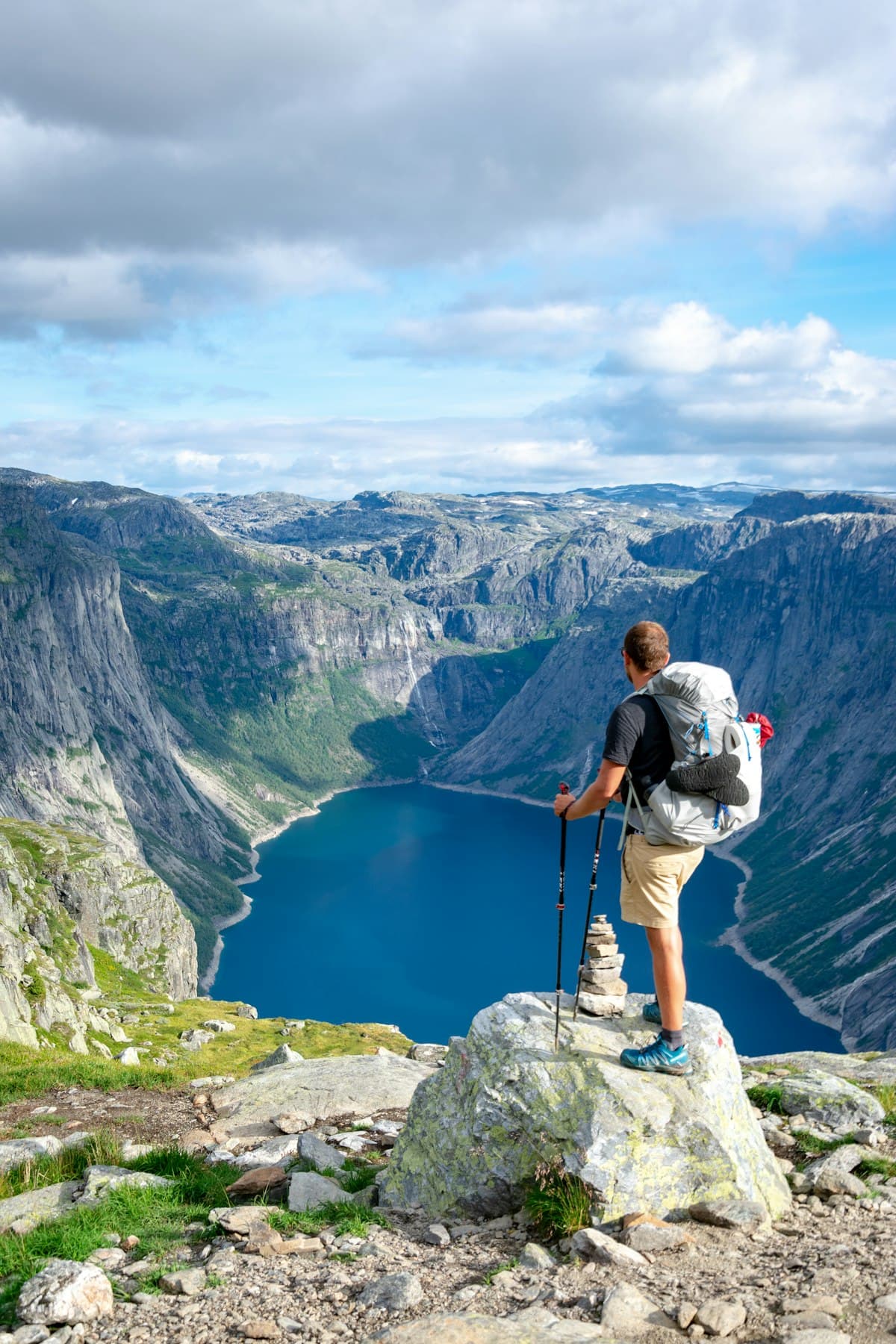
Geology While Hiking: Learning to Read the Landscape
Limestone, granite, ochre, glacial valleys: learn to read the geology beneath your feet. A guide to understanding how the landscapes you cross were formed and enriching every hike.
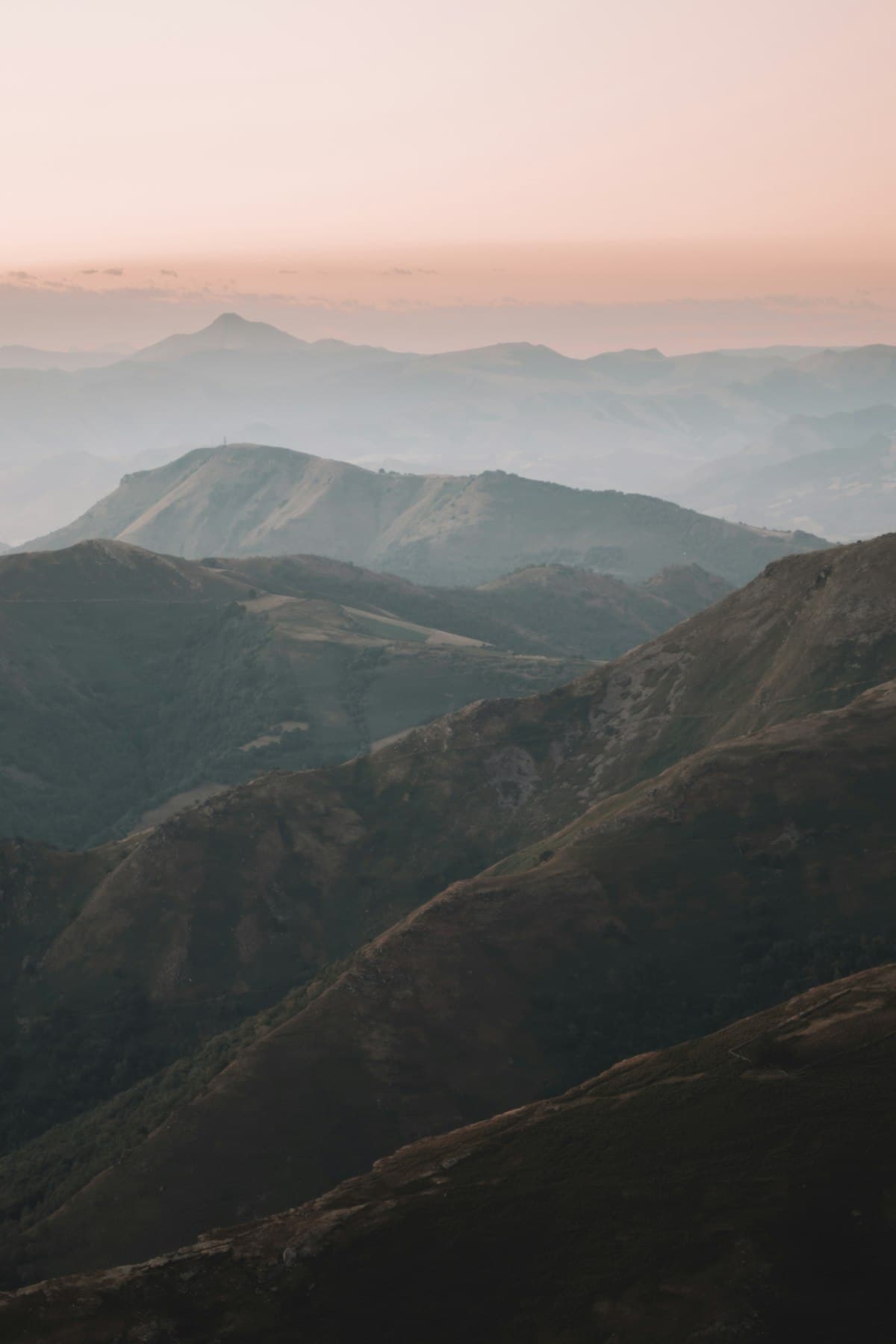
The Best Hikes in the French Basque Country
Pas de Roland, Baigura summit, Biarritz coastal trails, Mont Ursuia… Our selection of the 8 best hikes in the French Basque Country, with detailed routes, difficulty levels, and practical tips for exploring this exceptional territory between sea and mountains.

Foraging for Mushrooms While Hiking: What You Must Know Before You Pick
Foraging for mushrooms on hiking trails: French regulations, deadly mix-ups to avoid, and why pharmacy verification is non-negotiable.