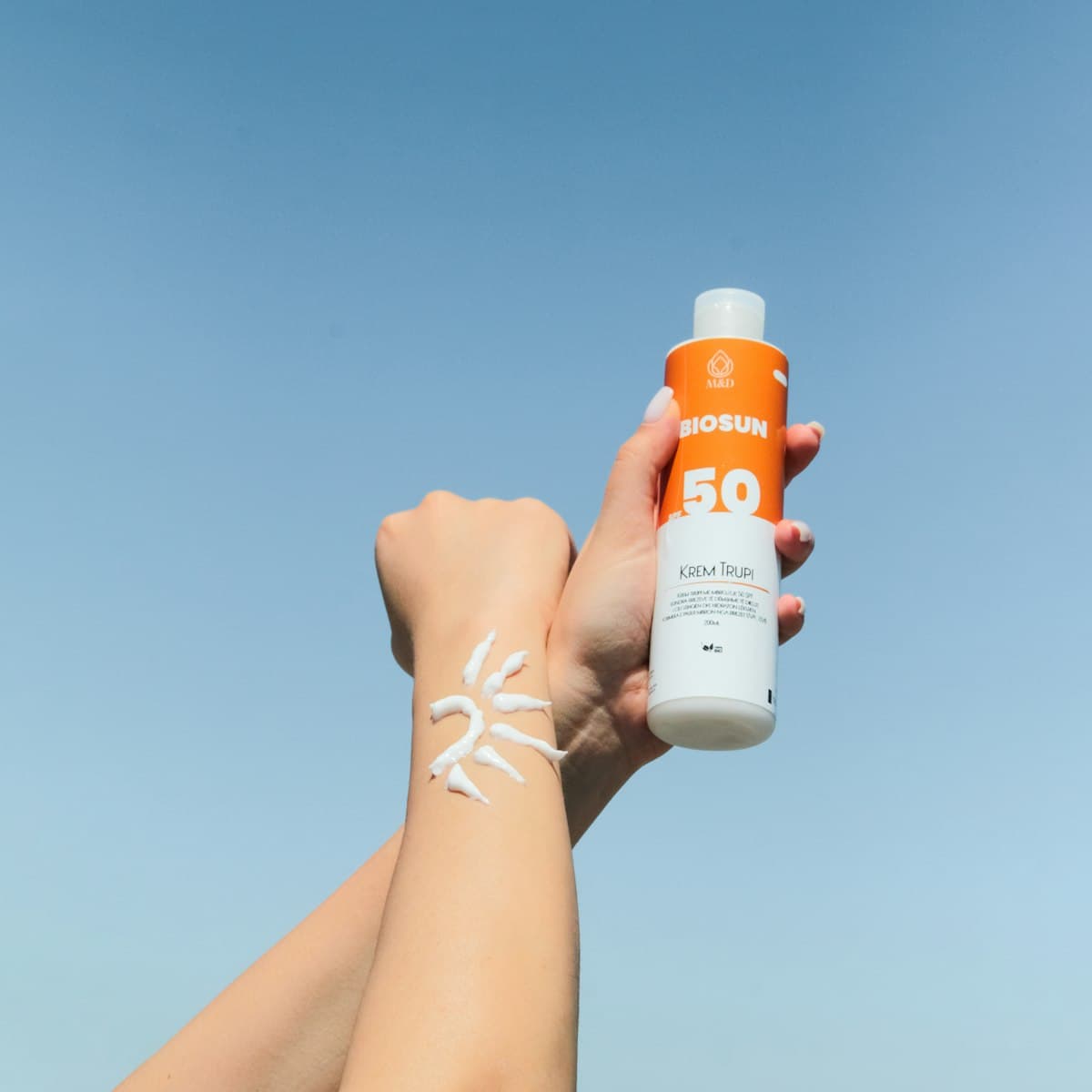
Protecting Your Skin While Hiking: Sun, Wind and Cold
Hiking exposes the skin to aggressions that everyday indoor life ignores: UV radiation intensified by altitude, constant wind that dries it out, dry cold that cracks it, repeated rubbing from packs and boots. Without proper protection, a single hiking day can be enough to cause severe sunburn, chapped lips or blisters that ruin the rest of the trip.
This guide reviews the essential protections according to conditions — lowland sun, altitude, mistral wind, winter cold — and shares best practices for preserving skin over time.
Understanding the aggressions
UV radiation
The sun is the hiker's main enemy. Three factors worsen exposure:
- Altitude: UV radiation increases by about 10% every 1,000 m. At 2,500 m, you receive 25% more UV than at sea level.
- Reverberation: snow reflects 80% of UV, sand 25%, water 10%. On a snowfield or glacier, you receive UV from below as well as above.
- Lack of shade: Mediterranean garrigue, high-altitude scree fields or exposed crests offer few refuges. A full day without shade equates to several hours at the beach.
A facial sunburn at altitude can occur in less than an hour even on overcast days — clouds only filter 10–20% of UV.
Wind
Wind is underestimated. It dries the skin by accelerating evaporation, cools the body (wind chill), and promotes chapping on exposed areas (lips, cheeks, nose). In Provence, the mistral can blow 60–90 km/h for several consecutive days: without protection, facial skin becomes red, sensitive and cracked in 24 hours.
Dry cold
In winter and at altitude, cold combines several harmful factors: vasoconstriction that deprives skin of oxygen, decreased sebum secretion, dry air that draws cutaneous moisture. Result: redness, itching, cracks on hands and face.
Friction
Backpack, straps, boots, damp clothing: everything rubs. Over hours and days, these frictions create blisters, hot spots and open wounds. It's one of the leading causes of abandonment on multi-day hikes.
Sun protection: choosing the right cream
The right SPF
For hiking, SPF 50+ is the norm, not a luxury. The distinction between SPF 30 and SPF 50 matters more than people think:
- SPF 30: filters 96.7% of UVB
- SPF 50: filters 98% of UVB
- SPF 100: filters 99% of UVB
Over 6–8 hours of exposure at altitude, the difference between 96.7% and 98% can mean the difference between healthy skin and a sunburn. Always choose SPF 50+ for face and exposed areas.
Mineral or chemical sunscreen?
Two families of filters exist:
- Mineral filters (zinc oxide, titanium dioxide): immediate protection, hypoallergenic, environment-friendly (coral, swimming lakes). Drawback: white texture, harder to spread.
- Chemical filters (octocrylene, avobenzone): invisible texture, easy to apply. Drawback: some molecules are controversial (endocrine disruptors, coral impact). Must be applied 20 min before exposure to be active.
For hiking, prefer mineral creams: immediately active, more sweat-resistant, compatible with lake or river swimming.
Sun stick: the best format for hiking
The sun stick (solid balm format) is the hiker's ally:
- Compact: fits in a belt pocket, accessible without removing the pack.
- No leak risk: unlike a tube, it can't contaminate other pack contents.
- Precise application: nose, ears, lips, neck — the most exposed areas.
Mineral SPF 50 sun sticks are the most cost-effective investment for facial protection while hiking.
Physical protection: hat, glasses, clothing
Hat or cap
First barrier against the sun. Three options:
- Visor cap: protects forehead and eyes but leaves ears and neck exposed. For short outings.
- Sahara-style cap (with neck flap): protects the neck, essential at altitude.
- Wide-brimmed hat (Tilley style): protects face, ears and neck 360°. The best choice for long hikes in full sun.
At altitude or in highly exposed areas, the wide-brimmed hat outperforms the cap by far.
Sunglasses
UV also attacks the eyes. Without protection, you risk snow blindness at altitude, and long-term cataracts. Selection criteria:
- Category 3: standard for mid-mountain and summer hiking.
- Category 4: essential above 2,500 m, on glaciers, or at sea.
- 100% UV protection (CE marking): mandatory, check the label.
- Wraparound shape: to avoid side rays, especially at altitude.
Polarised category 3 or 4 sunglasses offer more contrasted vision on rocky trails, in addition to UV protection.
Protective clothing
Often overlooked: a well-chosen long-sleeved shirt protects better than sunscreen — and doesn't need reapplying. Criteria:
- UPF index (Ultraviolet Protection Factor): UPF 50+ filters 98% of UV. Mandatory label on technical garments.
- Synthetic technical fabrics (breathable polyester, merino): protect more than cotton, which lets 50% of UV through when dry.
- Light colours: reflect heat. Prefer white, beige or light blue in summer.
For full-sun hikes, a loose UPF 50+ long-sleeved shirt with light trousers is more comfortable and protective than a t-shirt and shorts plus lots of cream.
Protecting lips and sensitive areas
Lips have no pigmentation to protect themselves. Without balm, they burn first and crack in a few hours of wind or sun.
- Lip balm SPF 30 minimum: apply every hour at altitude or in strong wind.
- Pure Vaseline: excellent in winter to prevent chapping, no sun filter though.
- Cold sore sticks: if you're prone to labial herpes, sun and wind are major triggers. Systematic prevention at altitude.
The least-protected zones: lips, nostrils, ears, top of feet (in sandals), back of neck.
Skin hydration: before, during, after
Before the hike
Moisturising your skin the night before and morning of with a rich (not greasy) cream prepares the skin barrier to resist wind and sun. Prefer a nourishing face cream (cold cream or ceratum type).
During
Drinking enough (1 L per 2 hours of hiking) is the first condition. Dehydrated skin cracks faster. If your face feels tight, it's already late — drink and apply balm.
After
After the outing, the skin needs:
- Gentle cleansing (soap without aggressive surfactants or micellar water).
- Immediate hydration: rich cream, healing balm if redness (panthenol, allantoin).
- Pure aloe vera: excellent for light sunburn. Apply thickly on still-damp skin.
Preventing blisters and friction
On the feet
Blisters are the most frequent aggression on multi-day hikes. Prevention:
- Well-chosen and broken-in shoes: see our guide on choosing hiking shoes.
- Anti-blister technical socks: double-layer or with glide zones. Never cotton (retains moisture).
- Dry feet: change socks mid-day if wet.
- Preventive plasters: at known sensitive points (heel, little toe), apply a hydrocolloid plaster from the start.
- Anti-friction cream: Body Glide, NOK Sport, applied to sensitive areas before departure.
On the body
Friction from straps, harness or belt creates redness and wounds on shoulders, back, hips, thighs (in shorts). Solutions:
- Anti-friction cream on contact zones.
- Seamless technical underwear: eliminate friction points.
- Pack adjustment: a poorly fitted pack swings and increases friction. Adjust straps + belt + chest strap.
Adapting protection to the season
Spring
UV is already strong from April in Provence. Skin, unused to sun after winter, burns fast. Resume protection habits from the first outing above 18°C.
Summer
Maximum risk. Prefer outings before 11 a.m. and after 5 p.m. Full protection mandatory (cream + hat + glasses + UPF clothing). Increased hydration (3–4 L per day).
Autumn
Low-angle sun that strikes differently (more in the eyes and face). Frequent wind in the South-East. Keep SPF 30–50 cream and lip balm.
Winter
Risk often underestimated. In the mountains, snow + altitude = UV exposure equivalent to summer in the lowlands. SPF 50+ face and lips, category 3–4 glasses, anti-cold nourishing cream.
Key takeaways
Skin protection while hiking comes down to three principles:
- Anticipate rather than catch up: a sunburn caught is a sunburn no evening cream will fix.
- Combine barriers: cream + clothing + physical shading > cream alone.
- Reapply: the best cream becomes ineffective after 2 hours of sweating. Always reapply.
These reflexes, adopted from your first hikes, become automatic. And skin, treated with this minimum care, will thank you years later — both in immediate comfort and long-term prevention of ageing and skin cancers.
To go further on outing preparation, see also our hike preparation guide and our piece on hiking in the rain.
As an Amazon Associate, we earn from qualifying purchases. Links marked with an external icon are affiliate links.
Related reading
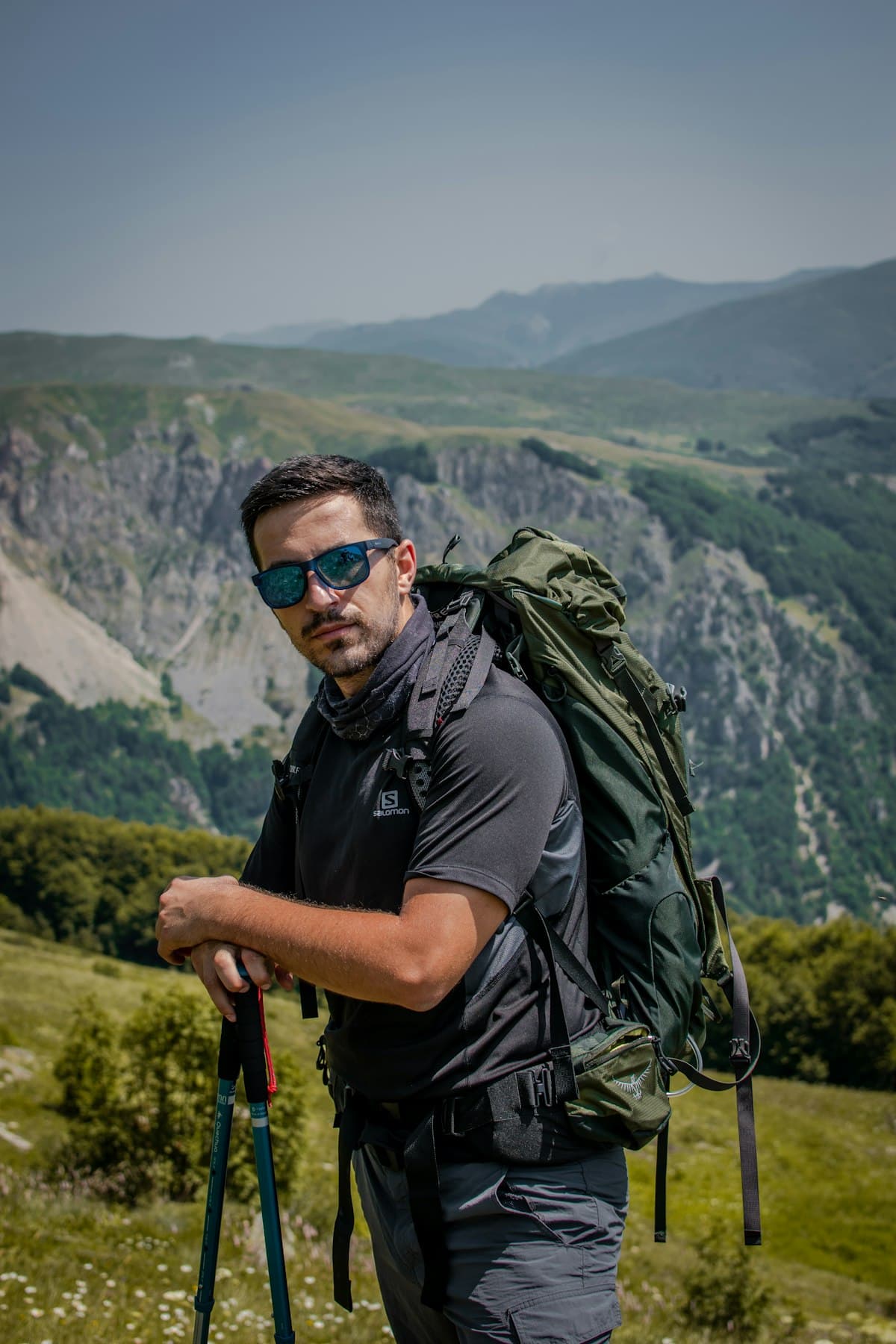
Hiking Sunglasses: How to Choose the Right Lens
Lens category, polarisation, photochromic, UV protection: how to choose hiking sunglasses for forest trails or high-altitude glaciers.
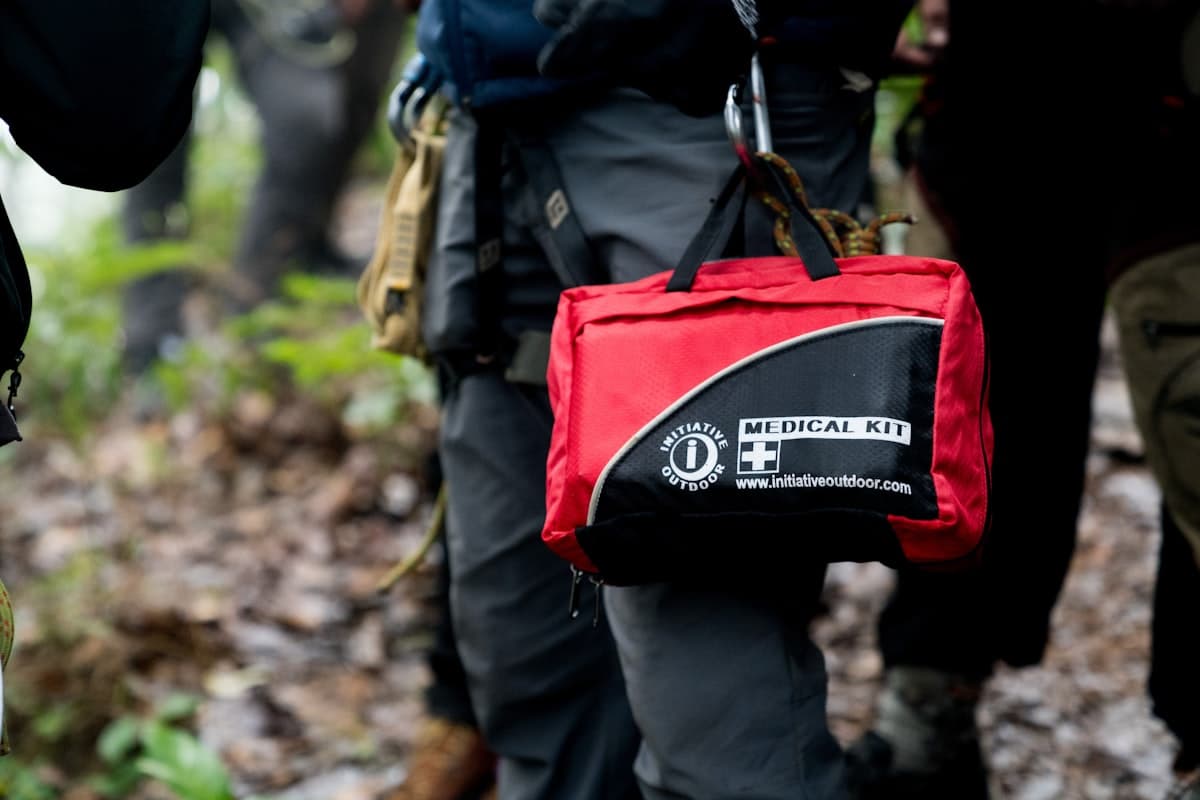
What to Pack in Your Hiking First Aid Kit: The Complete Guide
Bandages, antiseptic, emergency blanket… Discover everything your hiking first aid kit should contain so you can hit the trails with confidence.
Ticks and Insects While Hiking: The Complete Protection Guide
Ticks, mosquitoes, horseflies, harvest mites, hornets... Learn how to identify the risks, protect yourself effectively and react in case of a bite during your forest and garrigue hikes.