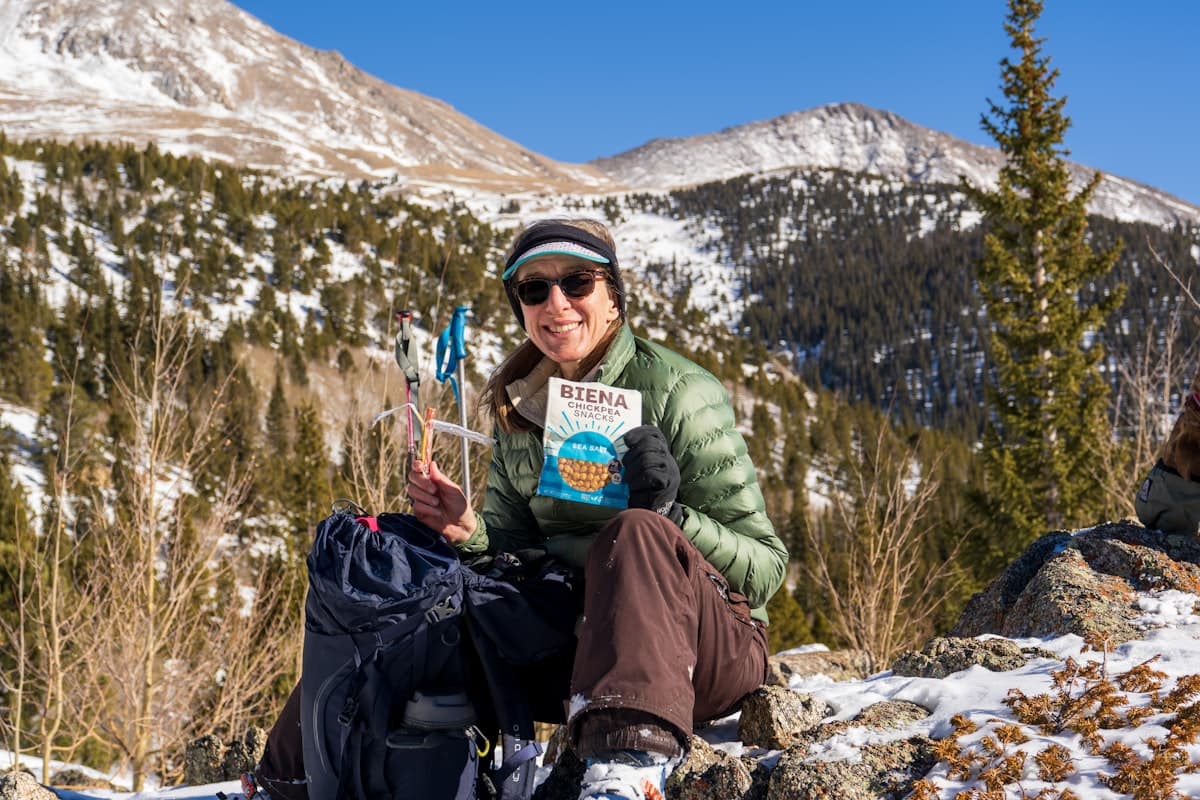
Eating and Drinking on the Trail: The Complete Hiking Nutrition Guide
You've carefully planned your route, checked the weather, packed your hiking poles — and yet, halfway through, you feel completely drained. Your legs are heavy, your head is slightly spinning, and the enthusiasm of the morning start has evaporated along with your sweat. This classic scenario almost always has the same root cause: insufficient hydration or poorly planned nutrition.
On the trail, your body is an energy machine. It burns, it sweats, it depletes. Feeding and hydrating it well isn't reserved for ultra-trail runners — it's the foundation of any successful hike, whether it lasts two hours or two days. This guide gives you all the tools to never again suffer the dreaded "bonk" or heat exhaustion at 1pm on an exposed ridge.
Hydration: The Golden Rule of Hiking
How Much to Drink?
This question comes up constantly, and the answer is more nuanced than a fixed number. On the trail, hydration needs depend on several factors: outside temperature, effort intensity, your body size and your natural sweat rate.
As a general guideline, plan for 0.5 to 0.75 litres per hour of sustained effort in cool conditions, and up to 1 litre per hour in high heat or at altitude. For a 4-hour outing on the Luberon trails on a June afternoon, that's 3 to 4 litres — a quantity most hikers dramatically underestimate.
A simple way to check your hydration level: urine colour. Clear (almost colourless) = well hydrated. Dark yellow = start drinking. Orange = alarm.
What to Drink?
Water is the fundamental beverage — irreplaceable. For efforts lasting more than 2 hours, enrich it with electrolytes (sodium, potassium, magnesium) to replace what sweat carries away. Electrolyte tablets or powder sachets dissolved in water are lightweight, convenient and highly effective at preventing cramps and energy dips.
Avoid:
- Alcoholic beverages (dehydrating, dangerous in heat)
- Sugary sodas (glycaemic spike followed by a crash)
- Unfiltered spring water (risk of bacterial contamination)
How to Carry Water?
Two solutions stand out depending on your type of hike:
A hydration bladder (reservoir) is ideal for long hikes or hot-weather days. It fits in your pack's dedicated sleeve and lets you drink hands-free via a drinking tube. A 2 to 3-litre hydration bladder is a worthwhile investment from your very first long outing.
An insulated water bottle is perfect for shorter hikes or to complement your hydration bladder. It keeps water cool for several hours — a significant advantage on Provençal trails in midsummer. Stainless steel insulated bottles of 750 ml to 1 litre strike the right balance between capacity and weight.
Filtering Water in the Wild
In the mountains or on multi-day treks through the Southern Alps or Mercantour, you'll often encounter streams and springs. The water may look crystal clear — but it can contain bacteria, protozoa (Giardia) or agricultural runoff.
An ultralight water filter such as the Sawyer Squeeze or purification tablets (Micropur, Aquatabs) allow you to resupply safely. Chemical tablets take about 30 minutes to work; mechanical filters deliver clean water in seconds. Essential gear any time you venture away from villages.
Eating on the Trail
Before You Leave: The Hiker's Breakfast
Trail nutrition begins before you lace up your boots. A well-constructed breakfast 60 to 90 minutes before departure provides the energy foundation that powers your first hours of effort.
The ideal: complex carbohydrates (oats, wholegrain bread, muesli), a protein source (eggs, cottage cheese, yogurt) and some healthy fat (almonds, nut butter). Avoid overly sugary or excessively heavy breakfasts — they slow digestion and can lead to sluggishness on the climb.
If you're starting very early (pre-dawn starts to tackle a col before the heat), a light snack during the first hour is preferable to a full meal at the alarm.
During the Effort: The 30–45 Minute Rule
On the trail, the winning strategy is not to "hold out until lunch" — it's to eat little and often, every 30 to 45 minutes. This approach keeps blood sugar stable, maintains consistent energy and prevents the bonk that always seems to hit at the worst possible moment.
What to snack on while walking?
- Dried fruit (apricots, dates, raisins, figs): natural, fast-absorbing sugars that are light and nutritious.
- Nuts (almonds, walnuts, cashews): healthy fats and protein to sustain energy over time.
- Cereal or energy bars: convenient, but check the ingredient list. Favour bars with minimal ingredients and no high-fructose corn syrup. Natural energy bars based on dates, oats and nuts are an excellent option.
- Hard cheese (Comté, Parmesan): dense in protein and fat, doesn't melt too quickly, holds up well in heat.
- Crackers or flatbreads: provide complex carbs and pair well with cheese or nut butter.
The Trailside Lunch
Your midday meal deserves proper planning. The goal: replenish glycogen stores without burdening the rest of your afternoon with difficult digestion.
A solid hiker's lunch includes:
- A carbohydrate source (bread, wraps, cold rice, cold pasta)
- A protein (ham, tuna pouch, hard-boiled egg, cheese)
- Vegetables (cherry tomatoes, carrot, cucumber)
- Fresh fruit if weight allows
Avoid heavy, greasy midday meals: they slow digestion and drain afternoon energy. On long outings, multiple light snack breaks are more effective than one big lunch.
After the Hike: Recovery
The optimal recovery window falls within 30 to 60 minutes of finishing your effort. This is when your body is most receptive to rebuilding muscle glycogen and repairing tissue.
Aim for:
- Medium-to-high glycaemic index carbohydrates to restore glycogen (fruit, rice, bread)
- Protein to repair muscle tissue (eggs, poultry, legumes, Greek yogurt)
- Thorough rehydration with water or a recovery drink
The Essential Trailside Food List
A tried-and-tested selection for a full-day hike (6 to 8 hours):
| Food | Quantity | Benefit |
|---|---|---|
| Almonds and walnuts | 80–100 g | Healthy fats, protein |
| Dried apricots or dates | 100 g | Fast carbohydrates |
| Energy bars | 2–3 | Sustained energy |
| Hard cheese | 60–80 g | Protein, fat |
| Bread or wraps | 2 slices/wraps | Complex carbs |
| Tuna or ham pouch | 1 pouch | Lean protein |
| Dark chocolate 70%+ | 30–40 g | Magnesium, morale |
| Fresh fruit (apple, banana) | 1–2 | Vitamins, water |
Total weight: around 600–800 g — easily fitted into any day pack.
Common Mistakes to Avoid
Waiting until you're thirsty to drink. Thirst is already a sign of mild dehydration. Drink regularly even if you don't feel the need, especially at altitude or in heat.
Waiting until you're hungry to eat. Just like water, by the time you feel the hunger signal, you're already 20–30 minutes behind your body's actual need.
Bringing perishable foods. Mayonnaise, unpackaged fresh dairy, cooked meats — avoid anything that can't tolerate heat. On a summer hike, the temperature inside your pack can easily exceed 30–35°C.
Eating too much at once. A heavy midday meal redirects blood flow to the digestive system and away from muscles. Prefer several small intakes over a single large meal during long outings.
Forgetting electrolytes on long efforts. Water alone isn't enough for efforts lasting more than 2 hours: it dilutes blood sodium without replacing it, which can lead to hyponatremia (a serious condition). Always add electrolytes for long outings.
Nutrition in Provence's Summer Heat
Provençal trails are particularly exposed in summer: the mistral, scorching sun and temperatures regularly exceeding 35°C in the valleys all demand extra preparation. A few adjustments:
- Start early: begin before 8am to avoid midday heat, especially on exposed routes like the Calanques trails or the Alpilles ridges.
- Increase your salt intake: heavy sweating depletes sodium rapidly. Salt your food slightly more, or use electrolyte tablets.
- Opt for water-rich foods: cucumber, tomatoes, watermelon — their high water content contributes to your overall hydration.
- Keep your water cool: an insulated bottle maintains a refreshing temperature that actively encourages you to drink more.
- Check for fountains along your route: on OpenRando, water points on popular trails are often mentioned in trail comments.
Calibrating Your Intake to Your Effort
Not all hikes are equal in energy terms. A 2-hour walk with 100 m of elevation gain doesn't demand the same resources as a 25 km trail run with 1,500 m of ascent.
To calibrate your supplies:
- Under 3 hours, easy terrain: 1 snack + 1.5 L of water is sufficient.
- 3 to 6 hours, moderate elevation: 2–3 snacks + a meal + 2–3 L of water.
- Over 6 hours or overnight: plan 3–4 food intakes, a hot meal if possible, and a minimum of 3–4 L taking water points into account.
For multi-day hikes with bivouac or refuge nights, freeze-dried meals have become indispensable. Lightweight (100–150 g per portion), simple to prepare (just add boiling water) and increasingly tasty, they dramatically reduce the weight of your food pack over several days.
Key Takeaways
Nutrition and hydration are the two invisible pillars of any great hike. Before thinking about technique or gear, make sure you leave with enough water (always more than you think you'll need), eat regularly without waiting for hunger or fatigue, and rebuild your reserves after the effort.
Whether you're on the trails of Provence or high in the Alps, these simple principles will make the difference between an exhausting slog and a day you'll remember. Explore the hikes in the region, load a GPX track, and head out well fuelled — the rest will follow.
As an Amazon Associate, we earn from qualifying purchases. Links marked with an external icon are affiliate links.
Related reading
Hydration Systems for Hiking: Complete Comparison Guide
Stainless steel bottle, hydration bladder, filtered bottle or insulated flask: our complete comparison guide to choose the best hydration system for your hiking style.
How to Take Great Photos While Hiking: Tips and Gear
A complete guide to hiking photography: choosing the right gear, camera settings, composition techniques, and field tips. Bring back stunning images from your mountain and nature hikes.
Hiking in the Rain: Tips and Essential Gear
Rain doesn't have to mean turning back. Discover all the tips and essential equipment for hiking in the rain safely — and enjoy the trails from a whole new perspective.