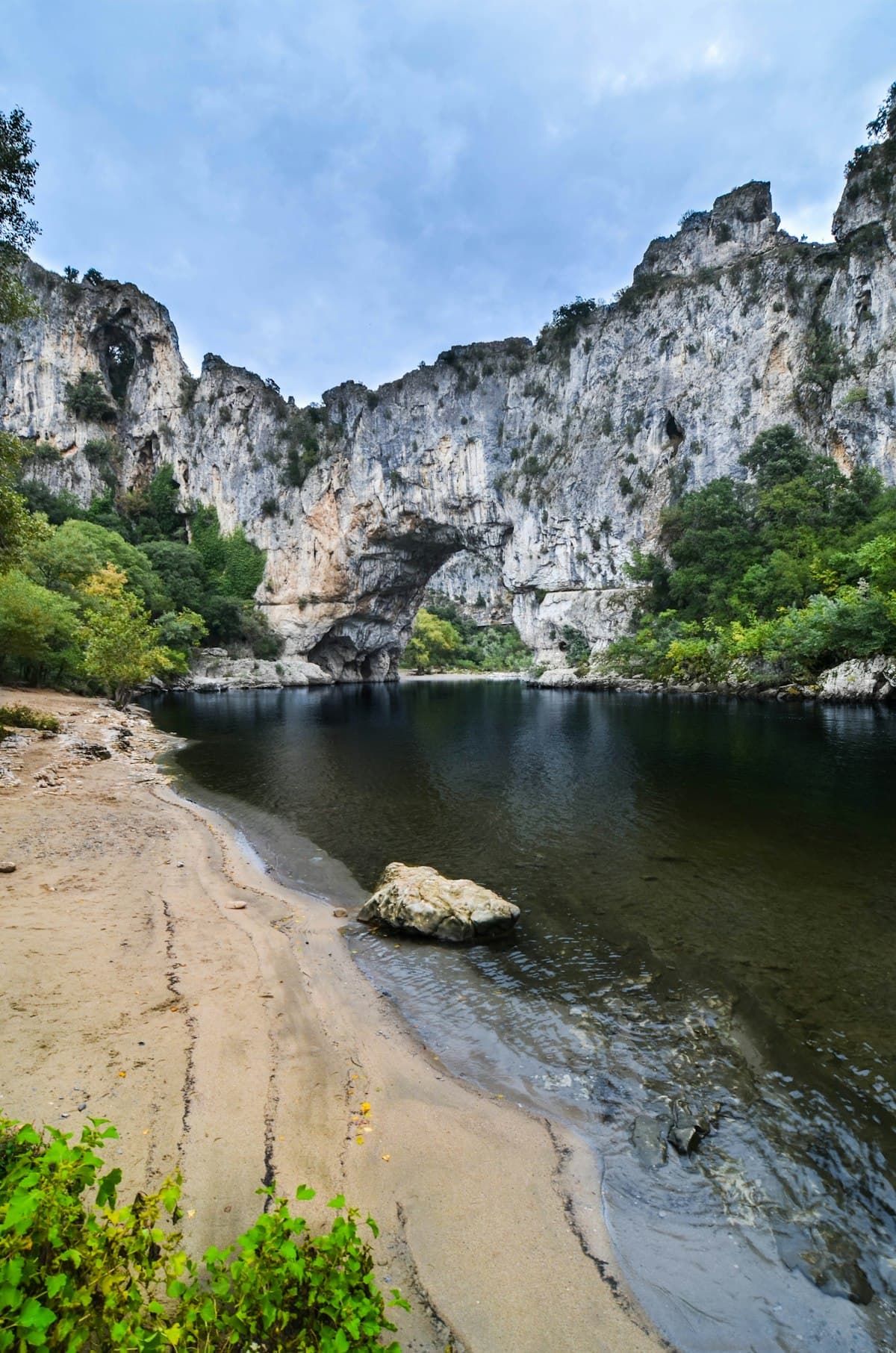
Hiking the Ardèche Gorges: 8 unmissable trails
The Ardèche is one of France's most spectacular departments for hiking. Between wild gorges carved into limestone, volcanic massifs crowned with basalt plugs, hilltop villages dominated by medieval castles and emerald-green rivers, every trail holds landscapes that take your breath away. Ardèche is also a fascinating geological territory: in just a few kilometres, you pass from volcanic basalt to gorge limestone, from Rhône Valley vineyards to the chestnut forests of the high plateaus.
Unlike the Alpine or Pyrenean massifs, Ardèche hikes tend to be shorter and more accessible — but never lacking in character. The 8 routes below were selected for their diversity, beauty and approachability. From first-time walkers to seasoned hikers, everyone will find their perfect trail here.
1. Aubignas Loop — Views over the hilltop village
Distance: 10.5 km | Elevation: +345 m | Level: Easy | Duration: 3h30
Aubignas is one of those timeless Ardèche villages clinging to a basalt spur above the Rhône plain. The loop starting from the village offers a unique perspective on this troglodytic and medieval settlement, where stone houses merge into the volcanic cliff face. The trail climbs through fragrant garrigue — juniper, rosemary and kermes oak — before reaching open viewpoints over the Rhône valley and the Alpilles in the distance.
The Mediterranean vegetation, centuries of human history and the absolute silence of the paths make this hike an ideal introduction to the Ardèche countryside. Perfect for a first family outing or a warm-up at the start of a longer stay.
The highlight: the plunging view over the village of Aubignas from the ridge, with its stone-tile rooftops and intertwining alleyways forming a natural stone puzzle.
2. Séveniers Viewpoint Loop — Canyon de la Louyre
Distance: 10.6 km | Elevation: +178 m | Level: Easy | Duration: 3h
Ardèche is a land of many gorges and canyons — not just the famous ones in the south. This accessible loop follows the edges of the Louyre canyon, a small river tucked into a lush green setting. The modest elevation gain and well-marked trail make it the ideal family hike, even with young children.
The canyon reveals itself gradually along the route, with windows overlooking limestone walls and the glittering river below. You pass through olive groves, vineyards and holm oak woodland that provide welcome shade. For little ones, proper hiking shoes will make a real difference on the stony paths.
The highlight: the viewpoints over the Louyre canyon, where clear water contrasts with white limestone — a miniature version of the great Ardèche gorges.
3. Alba-la-Romaine Gallo-Roman Theatre Loop
Distance: 11.8 km | Elevation: +261 m | Level: Easy | Duration: 3h30
Alba-la-Romaine is a little-known gem: an ancient city built on a volcanic spur, it houses a partially excavated and restored Gallo-Roman theatre — unique in Ardèche. This loop integrates a visit to the archaeological site within an itinerary crossing vineyards, terraced hillsides and paths carved through the cooled lava of the ancient Coiron volcanoes.
Ardèche's geology is particularly striking here: beneath your feet, the dark basalt of ancient lava flows meets the cream limestone of the cliffs. Walking this route helps you understand the layering of landscapes and civilisations that have shaped this territory.
The highlight: the open-air Gallo-Roman theatre, where stone seats carved from volcanic rock still host summer performances.
4. High Point Loop — Alba-la-Romaine Castle
Distance: 13.0 km | Elevation: +376 m | Level: Intermediate | Duration: 4h30
This more ambitious loop from Alba-la-Romaine climbs to the area's high point, offering a 360° panorama over the Coiron plateau — the vast volcanic field that dominates the Ardèche plain. This is where Ardèche's extraordinary geology makes complete sense: basalt plugs rise like black sentinels, remnants of volcanoes eroded down to their hardened core over millions of years.
The medieval castle of Alba-la-Romaine, perched on its promontory, is visible from several points along the route. The descent through terraced orchards and abandoned restanques is particularly beautiful in spring, when wild almond and cherry trees are in blossom. For a full-day outing, a 25-litre daypack will comfortably carry a packed lunch and spare layers.
The highlight: the Coiron plateau from the summit — a lunar and majestic landscape, direct legacy of the Tertiary volcanic eruptions.
5. Ardèche Train Loop — From Tournon-Saint-Jean
Distance: 13.7 km | Elevation: +378 m | Level: Intermediate | Duration: 4h30
The Train de l'Ardèche is one of France's most famous steam tourist railways. This loop from Tournon-Saint-Jean traces sections of the old railway line before climbing into chestnut groves and pine forests on the Ardèche hillsides. You may spot steam from the locomotive from the ridges — a surprising sight in the middle of wild nature.
The route is varied: shaded forest paths, stone hamlet crossings, and airy ridgeline sections with views over the Eyrieux valley. A wonderful introductory hike to the landscapes of central Ardèche, poised between the Cévennes and the Rhône Valley.
The highlight: the panoramic views over the cliff-hanging railway line with the Eyrieux gorges as a backdrop — an image that combines industrial heritage with raw nature.
6. Neck de Sceautres Loop
Distance: 13.6 km | Elevation: +434 m | Level: Intermediate | Duration: 5h
The Neck de Sceautres is one of Ardèche's geological jewels: a solitary basalt pinnacle rising from the plain like a black sentinel — the remnant of a volcano eroded over millions of years until only its hardened core remains. This loop circles the natural monument, approaching it from every angle to reveal its full majesty.
The route crosses varied landscapes — lavender, vines, apricot orchards, garrigue — typical of the Mediterranean lower Ardèche. The southern light plays on the basalt columns in the late afternoon, creating an almost mystical atmosphere. To fully appreciate the colours and avoid midday heat, set off early with polarised sunglasses and high-SPF sun cream.
The highlight: the silhouette of the Neck de Sceautres against the deep blue Ardèche sky — an image that stays with you long after the hike.
7. Dolmen de Carcuighau — Grotte de Peyre-Haute Loop
Distance: 15.2 km | Elevation: +477 m | Level: Intermediate | Duration: 5h30
On the border of Ardèche and the Gard, the limestone garrigue hides exceptional prehistoric heritage. This loop from Saint-Privat-de-Champclos combines two treasures: the Dolmen de Carcuighau, a 5,000-year-old megalithic monument standing amid downy oak woodland, and the Grotte de Peyre-Haute, a natural cavity whose calcite formations bear witness to millions of years of formation.
The trail crosses a classic Provençal garrigue — rosemary, cistus, asphodels — in a dry, fragrant atmosphere typical of the Cévennes foothills. Views over the Cèze gorges and the first Cévennes ridges complete an impressive geographical panorama. For a hike of this length, a lightweight packable rain jacket and waterproof hiking shoes are strongly recommended.
The highlight: the Dolmen de Carcuighau, set in the middle of the garrigue as if time stood still — one of the best-preserved megalithic monuments in southern Ardèche.
8. Balmes de Montbrun — The Grand Loop
Distance: 17.0 km | Elevation: +521 m | Level: Demanding | Duration: 6h
The Balmes de Montbrun loop is the most challenging hike in this selection — and arguably the most rewarding. The "balmes" are natural rock shelters carved into limestone cliffs, used as refuge by prehistoric and medieval populations. The trail explores these monumental walls, follows vertiginous ledge paths and winds through ancient oak forests.
The route delivers a succession of breathtaking views over the Chassezac gorges and the Ardèche hills. In May and June, the garrigue flora is in full bloom — wild orchids, lavender, golden broom. For this demanding outing, trekking poles will protect your knees and ankles on steep descents. Carry at least 2 litres of water and a good energy snack to fuel the distance.
The highlight: the balmes themselves — vast natural shelters in the limestone cliffs where human hands have left traces from prehistoric times to the Middle Ages.
Practical advice for hiking in Ardèche
Gear for Ardèche trails
Ardèche offers very varied hikes in terms of terrain and exposure. A few essentials for every outing:
- Appropriate footwear: lightweight shoes for easy walks, high-cut shoes with Vibram soles for technical routes
- At least 1.5 litres of water per person — 2 litres in warm weather. Water points are scarce in summer
- Sun protection: cream and hat are essential on exposed lower Ardèche routes
- An IGN 1:25,000 map or an app with the GPX track downloaded offline
What else to see
Ardèche is culturally rich beyond its hiking trails:
- The Ardèche Gorges (Pont d'Arc): the 29 km, 2-day discovery trail through the gorges remains an unforgettable experience
- Vogüé and Balazuc: two of France's most beautiful villages, perched on limestone cliffs above the Ardèche river
- Aven d'Orgnac: one of France's finest natural cavities, classified as a Grand Site de France
- Producer markets: Ardèche is famous for its chestnuts, wine (Saint-Péray, Cornas, Saint-Joseph) and fruit
OpenRando in Ardèche
Find all 8 of these hikes and dozens more Ardèche routes on the OpenRando map. All tracks are downloadable in GPX format, with elevation profiles, field photos and hiker reviews. Explore our /explore page to filter routes by area, level and distance.
Ardèche is a department that rewards effort: you need to lace up your boots, embrace the heat and the rocky paths — and in return it offers landscapes of rare generosity. Volcanoes, gorges, garrigue, stone villages: hiking in Ardèche is an open-air geography lesson.
Lace up and explore — Ardèche is waiting.
As an Amazon Associate, we earn from qualifying purchases. Links marked with an external icon are affiliate links.
Related reading
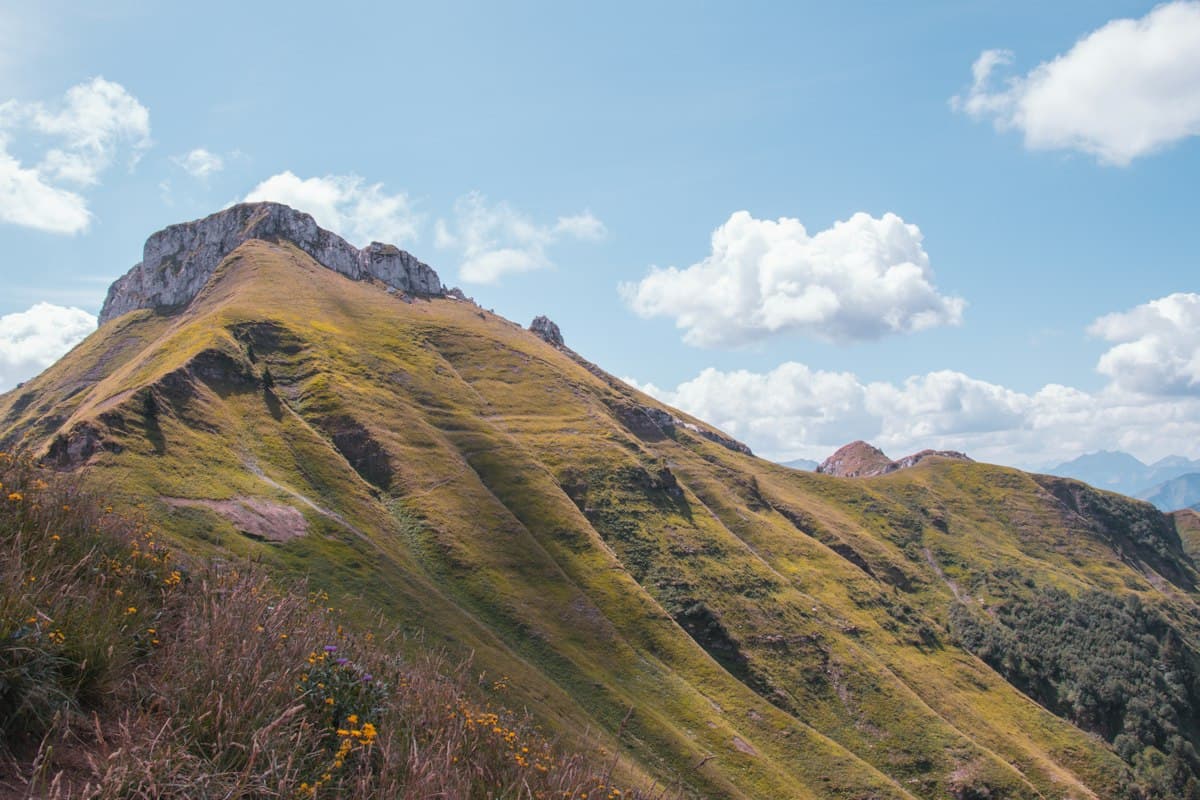
Trail Guide: The Mézenc Circuit in 2 Days
A two-day circuit of Mont Mézenc: volcanic domes, highland pastures, accommodation tips and GPX tracks between Haute-Loire and Ardèche.
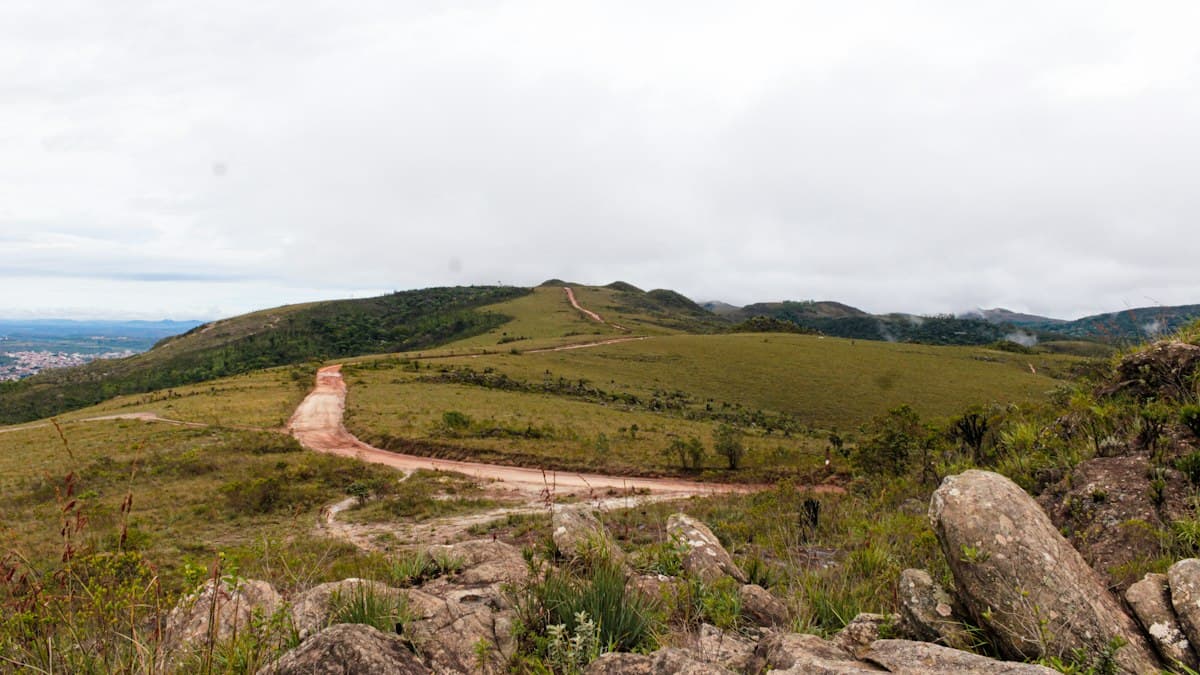
Hiking in the Monts de Vaucluse: Gorges, Bories and Lavender Plateaus
Seven hikes in the Monts de Vaucluse: combes, bories, faded lavender plateaus and perched villages between Sault and Gordes.
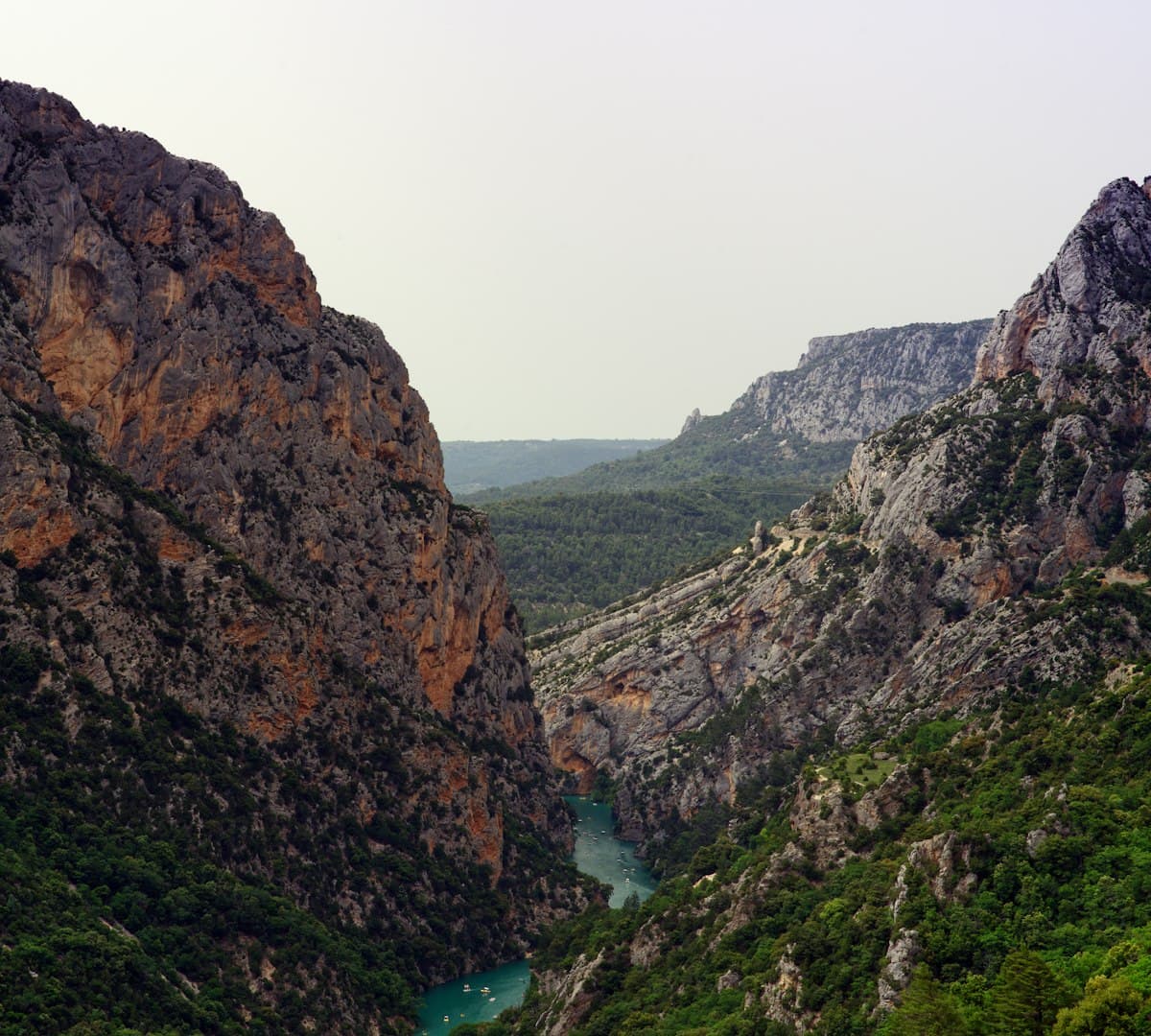
Hiking in the Haut-Var and Northern Verdon Gorges: The Complete Guide
Discover the most beautiful trails in the Haut-Var and the northern rim of the Verdon Gorges: Blanc-Martel, Mourre de Chanier, Cadières de Brandis and more. Trail details, difficulty levels and practical tips.