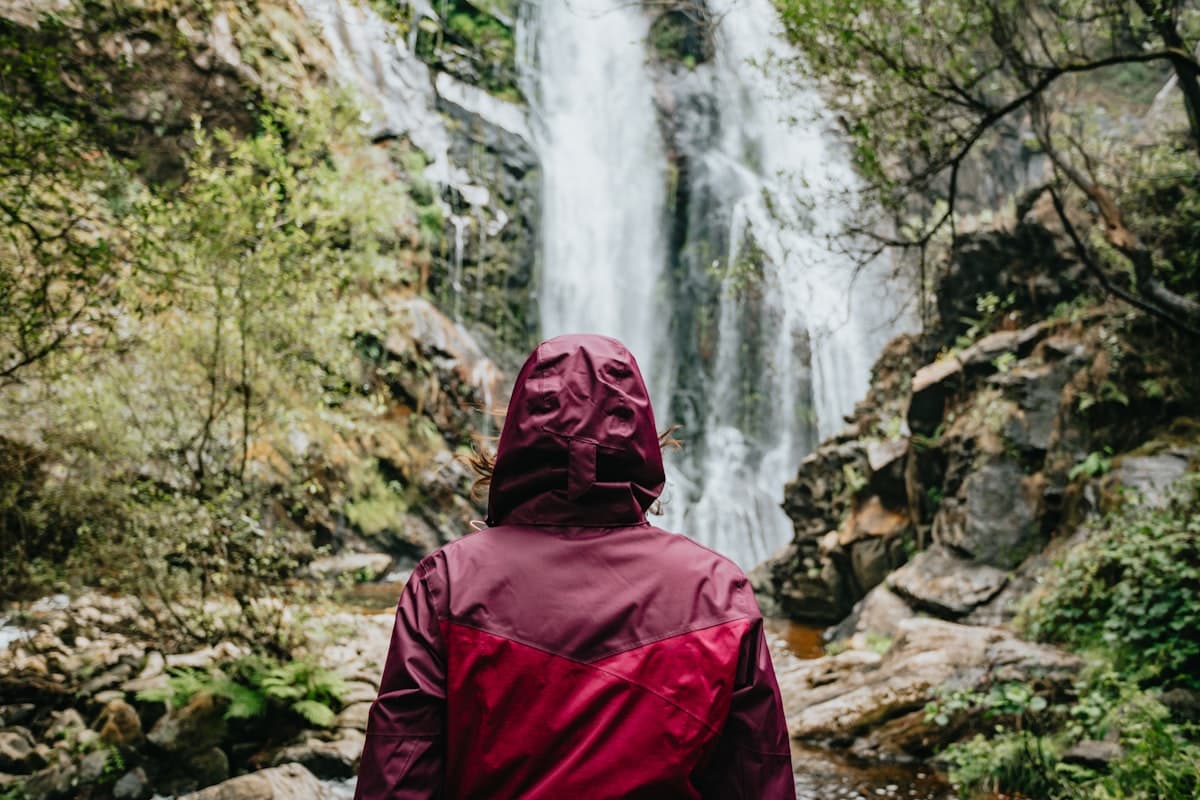
Gore-Tex vs eVent: Best Waterproof Jackets 2026
The waterproof jacket is probably the most complex piece of gear to choose for a hiker. Between technical acronyms (RET, hydrostatic head, MVTR), membrane brands (Gore-Tex, eVent, Pertex Shield, DryQ), 2L/2.5L/3L constructions and price ranges from €80 to over €600, it's hard to know where to invest.
This 2026 comparison untangles the jargon, exposes the real criteria and offers a selection by profile — from the Sunday hiker to the climbing ultra-trailer.
The criteria that really matter
Waterproofing (hydrostatic head / Schmerber)
Fabric waterproofness is measured in millimetres of water column (Schmerber):
- 5,000 – 10,000 mm: protects against light rain, OK for a brief shower. Entry-level.
- 10,000 – 20,000 mm: standard for regular hiking, protects against sustained rain for several hours.
- 20,000 – 30,000 mm: high-end, designed for extreme conditions and long duration.
- +30,000 mm: domain of mountaineering and marine jackets.
For hiking in mainland France, 15,000 mm is an excellent threshold. Beyond that, you mainly pay for durability and breathability, not for more useful waterproofing.
Breathability (MVTR / RET)
A waterproof jacket must let sweat escape, otherwise you're wet from the inside. Two indicators coexist:
- MVTR (g/m²/24h): higher is better. A good jacket displays 15,000 – 25,000 g/m²/24h.
- RET (evaporative resistance): inverse indicator, lower is better. RET < 6 = excellent breathability; RET 6–13 = good; RET 13–20 = average.
Breathability matters more than absolute waterproofing for active hiking. A highly waterproof but low-breathability jacket will soak you in sweat.
Construction: 2L, 2.5L or 3L?
The most impactful criterion for durability and comfort.
- 2 layers (2L): outer fabric + laminated membrane, separate inner mesh lining. Heavier, less packable, but comfortable and inexpensive. Ideal for occasional hiking.
- 2.5 layers (2.5L): outer fabric + membrane + inner protective print. Lighter and more packable than 2L, but the inner finish wears faster from friction. Good trail/ultra-light compromise.
- 3 layers (3L): outer fabric + membrane + inner fabric, all laminated together. The most durable, most breathable, most expensive. Recommended for intensive hiking and mountain use.
Technical membranes explained
Gore-Tex: the historic reference
Gore-Tex (W.L. Gore) remains the best-known membrane. It exists in several variants:
- Gore-Tex Paclite Plus: ultralight, ideal for pack-light. RET 6, MVTR ~17,000.
- Gore-Tex Active: maximum breathability for intense activity (trail, fast hiking). RET < 4.
- Gore-Tex Pro: very durable 3L, designed for extreme use. RET 6, MVTR 25,000+.
- Gore-Tex Pro Most Breathable: the most breathable version, for purists.
Gore-Tex imposes strict manufacturing standards on licensed brands (sealed seams, waterproof zippers, etc.). It's a quality guarantee, but also explains the high prices.
eVent: breathable alternative
Less widespread American membrane but excellent. Its "direct venting" technology offers slightly higher breathability than Gore-Tex at equivalent waterproofing. Found in Rab, Montane, and some American outdoor brands.
Pertex Shield: the British challenger
Pertex Shield membrane (and its Diamond Fuse version) offers an excellent weight/breathability ratio, often at a more accessible price than Gore-Tex. Widely used by Montane, Rab, Mountain Equipment.
Proprietary membranes (Patagonia H2No, Marmot NanoPro, Mountain Hardwear DryQ, etc.)
Each major brand develops its own membrane to avoid Gore-Tex royalties. Performance is often very close to Gore-Tex Paclite at a lower price. At equivalent price, a serious brand's proprietary membrane often equals a Gore-Tex.
Secondary features to check
Hood
- Adjustable in 3 points (head volume, depth, brim): essential.
- Helmet-compatible: useful in mountaineering, optional in hiking.
- Stiff brim: protects the face from driving rain.
Zipper
- Waterproof zipper: standard on €200+ jackets. More durable than storm flaps.
- Storm flap: on cheaper models, covers the zipper to block water.
- Long front zip: allows wide venting without removing the jacket.
Ventilation
- Pit-zips (under arms): the most useful feature in intense hiking. Allows venting without opening the front.
- Mesh double-access pockets: act as secondary venting.
Pockets
- Harness-compatible: essential if you wear a backpack with hip belt or climbing harness.
- Inner pocket: useful for smartphone and map.
Weight
| Type | Target weight |
|---|---|
| Ultralight rain jacket (trail, short outing) | 150–250 g |
| Versatile hiking jacket | 300–450 g |
| Mountain/mountaineering 3L jacket | 450–700 g |
| Expedition/hardshell jacket | 700 g+ |
Selection by profile
The Sunday hiker / tight budget
Budget: €80–150 — Opt for a 2.5L jacket with a proprietary membrane (Quechua MH500 at Decathlon, entry-level Columbia or Salomon). Waterproofing 10–15K, MVTR 10–15K, adjustable hood. Avoid "waterproofed windbreakers" without a real membrane.
10K jackets with adjustable hood are perfect for getting started without heavy investment.
The regular hiker in mainland France
Budget: €180–280 — The mid-range offers the best value. 3L jackets with Pertex Shield or Gore-Tex Paclite, 15–20K/15–20K, pit-zips, full hood, ~400 g. Models to consider: Rab Kinetic Alpine, Montane Endurance Pro, Mountain Equipment Lhotse, Decathlon MH900.
3L jackets with pit-zips cover the vast majority of French hiking needs, from Luberon to Mercantour.
The multi-day hiker / serious mountain user
Budget: €300–500 — For long itineraries and high mountains, invest in a 3L Gore-Tex Pro or eVent. Durability, maximum breathability, reinforced seams. Reference models: Arc'teryx Beta AR, Patagonia Storm10, Mammut Crater HS, Black Diamond Stormline Stretch.
The trail and ultra-trail runner
Budget: €200–400 — An ultralight 2.5L jacket (< 250 g) with a highly breathable membrane (Gore-Tex Active, Pertex Shield Air). Minimalist but adjustable hood. Models: Salomon Bonatti Trail, Montane Minimus, Patagonia Houdini Air.
Reliable brands in 2026
| Brand | Specialty | Price range |
|---|---|---|
| Arc'teryx | High-end mountaineering, impeccable finish | €350–700 |
| Patagonia | Strong environmental commitment, durable quality | €250–500 |
| Rab | Excellent UK mountain value | €180–400 |
| Montane | Affordable Gore-Tex alternatives | €150–350 |
| Mountain Equipment | Technical mountain jackets | €200–450 |
| Black Diamond | Versatile hiking/climbing | €200–400 |
| Decathlon (Forclaz, Quechua) | Excellent beginner value | €50–180 |
| Salomon | Trail and fast hiking | €150–350 |
| Columbia | Accessible entry and mid-range | €100–250 |
Common mistakes to avoid
- Buying too loose: a too-large jacket lets water in at cuffs and collar. Prefer a fitted cut with enough room for a fleece.
- Choosing on waterproofing alone: 20,000 mm Schmerber without breathability = guaranteed sauna.
- Neglecting the hood: a non-adjustable hood is useless under driving wind-driven rain.
- Confusing softshell and hardshell: a softshell isn't a true waterproof jacket, only water-repellent. For real rain, you need a hardshell.
- Buying too technical for your use: a €600 Gore-Tex Pro for Sunday walks is wasted — you'll wear it out from friction long before reaching its waterproof potential.
How much should you reasonably spend?
| Usage profile | Reasonable investment |
|---|---|
| 1–2 outings per month, temperate climate | €100–180 |
| Regular hiking year-round | €200–300 |
| Multi-day and occasional altitude | €300–450 |
| Mountaineering, expeditions, professional use | €450–700 |
Key takeaways
A waterproof jacket is chosen in three steps:
- Define your use: Sunday hike in lowlands or bivouac in high mountains? This conditions everything.
- Target a realistic price range: you can be very well equipped for €200–250.
- Check the details: pit-zips, adjustable hood, waterproof zipper, pockets accessible with a backpack.
The most common mistake is searching for the "perfect" jacket with the maximum of everything. A good €250 jacket, well maintained, will accompany you for ten years on the vast majority of Provence hikes and the Alps. Better to invest the rest in good shoes and a comfortable backpack.
As an Amazon Associate, we earn from qualifying purchases. Links marked with an external icon are affiliate links.
Related reading
Hiking Poles Compared: How to Choose the Right Pair
Carbon or aluminium, telescopic or folding, with or without straps? This complete guide helps you choose the best hiking poles for your terrain, style and budget.
Sleeping Pad Comparison 2026: How to Choose for Backpacking and Bivouacking
Choosing a sleeping pad for backpacking: R-value explained, inflatable vs foam vs self-inflating, weight and real comfort. Six pads compared by season.
Best 30-40L Daypacks for Hiking: 5 Models Compared
Which 30 to 40-litre daypack should you choose for hiking? Carrying comfort, ventilation, access, and weight: 5 models compared to find your ideal companion.